NEW YORK, UNITED STATES — Addressing the devastating impact of potential africa malaria funding cuts, the African Leaders Malaria Alliance has warned that a 30 per cent reduction in international health aid could cause 146 million additional malaria cases across the continent by 2030, alongside nearly 400,000 deaths and $37 billion in lost economic output.
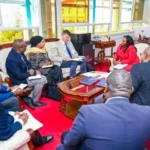
The alliance presented these stark projections during a side event at the 81st session of the United Nations General Assembly on September 27, Premium Times reported. The summit, titled “Africa’s Leadership for Sustainable Malaria Financing: A Multisectoral Path to Elimination,” was co-organised with the African Union Commission and the RBM Partnership to End Malaria.
Duma Gideon Boko, President of Botswana and Chair of the alliance, hosted the assembly alongside key speakers including Dr. Tedros Adhanom Ghebreyesus, Director-General of the World Health Organization, Muhammad Jallow, Vice President of The Gambia, and Zarau Wendeline Kibwe of the World Bank Group.
Sub-Saharan Africa currently carries the highest global disease burden, accounting for 94 per cent of all malaria cases and 95 per cent of deaths worldwide.
Key Impacts of Projected Health Aid Shortfalls
The report outlines critical consequences if international financing contractions continue without immediate intervention:
Impact Category
Projected Projection by 2030
Operational Mechanism
Additional Cases
146 Million Cases
Unreplaced bed nets and missed seasonal chemoprevention rounds
Projected Mortality
~400,000 Deaths
Delayed diagnosis and reduced access to artemisinin-based treatments
Economic Loss
$37 Billion USD
Decreased workforce productivity and overburdened healthcare systems
Regional Share
94% Global Burden
High concentration of vulnerable populations across sub-Saharan Africa
To cushion against africa malaria funding cuts, continental leaders urged governments to institutionalise malaria budgets and establish National End Malaria Councils. These cross-sector bodies bring together government ministries, private enterprises, and civil society to mobilise domestic capital and guarantee accountability.
However, replacing international aid with national budgets presents severe challenges for high-burden countries like Nigeria, where fiscal constraints limit health spending. The warning comes as vector resistance to standard pyrethroid insecticides grows and partial artemisinin resistance emerges in East Africa, necessitating newer, more expensive interventions.
Failure to secure immediate, flexible capital threatens to unleash rapid disease resurgence, reversing decades of hard-won public health gains across the region.
Why It Matters: A missed distribution cycle for bed nets or seasonal preventive drugs allows malaria transmission to rebound within a single season, erasing years of progress at an extraordinary human and economic cost.
African Health Aid Halves to $13 Billion NEW YORK, UNITED STATES — Official health funding across the continent has dropped dramatically as african health aid halves from $26 billion in 2021 down to $13 billion in 2025, according to data presented at…
Nigeria Demands Fairer Pandemic Financing and… NEW YORK, UNITED STATES — Championing nigeria pandemic financing vaccine access reforms on the global stage, Nigeria called for more accessible pandemic preparedness funding for low- and middle-income nations alongside equitable access to vaccines, diagnostics,…
Global Fund Cuts Expose Kenya’s Reliance on Donors… NAIROBI, KENYA — Exposing structural vulnerabilities across East Africa’s public health ecosystem, global fund cuts expose kenya reliance on international donors for essential HIV, tuberculosis, and malaria care, according to a report published by The…
Aid Cuts Push Millions Into Hunger in Northeast Nigeria Northeast Nigeria is facing a worsening humanitarian crisis as aid cuts by international donors intensify hunger and malnutrition across conflict-affected states like Borno, Adamawa, and Yobe. With over 4.4 million people projected to face acute…