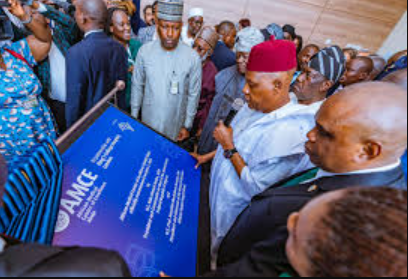
ABUJA, NIGERIA — The African Medical Centre of Excellence has opened in Abuja, offering specialist oncology, cardiovascular, and haematology services. Operating as part of the african medical centre abuja initiative within a 2.2 billion dollar federal health sector reform, the facility targets a major shift in domestic specialist care access.
Principal backer African Export-Import Bank developed the facility in partnership with King’s College Hospital, London. Opening with 170 beds and plans to expand to 500, the centre seeks to curb the outward flow of medical tourists by serving an estimated 350,000 regional patients over five years.
Key Infrastructure & Operational Milestones
The facility pairs advanced clinical infrastructure with targeted life sciences research endowments:
Operational Feature
Strategic Scope / Target
Initial Facility Capacity
170 inpatient beds (Expanding to 500 beds)
Specialist Specialties
Oncology, Cardiovascular & Haematology care
Patient Volume Target
200,000 domestic & 150,000 West African patients in 5 years
Research Endowment
$75 million via Africa Life Sciences Foundation
Strategic Impact of the African Medical Centre Abuja Facility
Establishing the abuja facility directly addresses long-standing economic and health infrastructure deficits across West Africa. Historically, Nigerian patients seeking specialized cancer treatment, cardiac interventions, or sickle cell therapy traveled overseas, creating significant foreign exchange capital flight. Placing advanced clinical trials and research infrastructure locally allows medical researchers to address genetic health conditions concentrated in West Africa, such as sickle cell disease, within domestic clinical settings.
However, the long-term reach of the african medical centre abuja project relies on resolving structural referral pathways and healthcare affordability. Connecting high-capital urban tertiary hospitals to revitalized primary healthcare centers across rural states determines whether advanced care reaches vulnerable communities or remains restricted to wealthy self-paying patients.
Why It Matters: Building domestic tertiary medical capacity retains foreign exchange capital and expands survival rates for critical non-communicable diseases, provided insurance frameworks ensure broad public access.
Nigeria Reclaims Lead in Medical Tourism in Africa Lagos, Nigeria — Nigeria has reclaimed its position as Africa’s leading destination for medical tourism, according to new reports highlighting the country’s growing healthcare investments, world-class hospitals, and renewed government-private sector partnerships. This marks a…
Unlocking Sexual Health: A Comprehensive Guide to… Erectile Dysfunction (ED) is a common condition affecting men worldwide, irrespective of their ethnic background. However, it's essential to discuss this condition in the context of African men to address unique factors that may influence…
Strategies to strengthen infrastructural development… Across the continent, health infrastructure is unevenly distributed, with major gaps in the coverage of rural areas and often of poor quality. A third of Africans live more than two hours away from health services,…
Indian Hospital Uses Former Nigerian Leader in Ad ABUJA, NIGERIA — Highlighting ongoing concerns regarding medical capital flight and patient privacy, an indian hospital uses nigerian leader General Abdulsalami Abubakar in online promotional advertisements following his knee replacement surgery. The marketing material, published…