ABUJA, NIGERIA — Addressing critical gaps in maternal nutritional care, a leading public health expert urges closer attention to vitamin D status during pregnancy, emphasizing its vital role in skeletal development and neonatal wellness despite West Africa’s abundant sunlight. Speaking in an interview with the News Agency of Nigeria (NAN) in Abuja, Dr. Oluwayemisi Adegboye, Federal Capital Territory (FCT) Coordinator of the Vitamin D Enhancement Project (VDEP), highlighted that micronutrient optimization during antenatal visits remains essential for preventing complications.
The expert cautioned that living in a tropical climate does not automatically guarantee adequate vitamin D synthesis, as skin pigmentation, indoor lifestyles, protective clothing, and dietary patterns heavily influence serum levels among expectant mothers.
Antenatal Screening Benchmarks and Nutritional Parameters
Data compiled from VDEP health advisories, FCT health department briefings, and maternal nutrition guidelines outline current nutritional parameters:
Maternal Health & Nutrition Category
Clinical Antenatal Benchmarks
Primary Biological Function
Enhancing calcium absorption & skeletal development
Oily fish (Titus mackerel), sardines, eggs, & fortified foods
Clinical Diagnostic Tool
Serum 25-hydroxyvitamin D blood test (when clinically indicated)
Technical Mechanisms and Physiological Impacts of Vitamin D
Understanding the medical rationale behind why an expert urges closer attention to micronutrient levels during gestation requires examining placental transfer and maternal metabolic pathways:
Placental Transfer and Fetal Skeletal Formation: Vitamin D acts as a secosteroid hormone regulating calcium and phosphate homeostasis. During pregnancy, maternal 25-hydroxyvitamin D crosses the placenta to support fetal bone mineralization, neurological development, and immune function.
Risks of Severe Neonatal Hypocalcaemia: Severe maternal deficiency directly impacts the newborn, contributing to neonatal hypocalcaemia—a dangerous electrolyte imbalance that can manifest as jitteriness, muscle twitching, or neonatal seizures if left unmanaged during early infancy.
Evaluating Gestational Complications: While clinical research explores statistical associations between low maternal vitamin D and gestational hypertension, pre-eclampsia, and preterm birth, experts stress that observational correlations do not definitively establish direct causation, necessitating individualized clinical assessment.
Debunking Sunlight Assumptions and Guarding Against Supplement Overdose
Dr. Adegboye cautioned against assuming that tropical sunlight eliminates deficiency risks. Melanin pigmentation in darker skin naturally reduces ultraviolet B (UV-B) absorption efficiency. Furthermore, urbanization, sedentary office work, and traditional indoor lifestyles significantly limit direct midday sun exposure for modern Nigerian women.
To mitigate deficiencies safely, experts warned against self-diagnosis and unsupervised high-dose supplementation. Excessive vitamin D intake can lead to hypercalcaemia—dangerously high blood calcium levels that risk maternal and fetal tissue calcification. Expectant mothers should rely on balanced dietary intake—such as local oily fish (Titus mackerel), eggs, and fortified cereals—while discussing specific nutritional supplements directly with their antenatal care providers.
Antenatal Care Access, Policy Review, and Sector Outlook
The expert’s appeal underscores broader challenges within Nigeria’s maternal health sector. While routine antenatal care (ANC) visits provide the primary platform for distributing essential iron, folic acid, and calcium supplements, late booking and irregular clinic attendance frequently hinder early nutritional screening.
Public health advocates are calling for enhanced educational campaigns delivered in accessible local languages and a thorough review of national maternal and child health guidelines to integrate comprehensive micronutrient monitoring as an expert urges closer attention to prenatal nutritional standards across all health tiers.
Why It Matters: Routine antenatal visits offer the ideal window to screen for nutritional gaps and provide safe guidance, preventing both deficiency-related neonatal complications and the dangers of unsupervised high-dose supplementation.
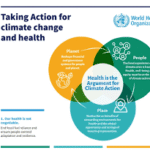
Climate Crisis Is Now a Health Emergency of Pandemic… ANTALYA, TURKIYE The climate crisis health emergency has reached “pandemic proportions,” UN Climate Change Executive Secretary Simon Stiell said at the opening of the COP31 climate summit, as WHO Director-General Dr Tedros Adhanom Ghebreyesus warned…
Climate Change Poses Severe Threat to Pregnant Women… Pregnant women, infants, and children are facing severe health risks due to climate catastrophes, demanding immediate attention, according to a recent Call for Action issued by United Nations (UN) agencies. The call comes ahead of…
Vitamin D and Immune Health in Africans Vitamin D is often called the “sunshine vitamin”, yet millions of Africans are deficient despite abundant sunlight across the continent. This paradox poses a serious challenge to public health because vitamin D is essential not…
A Looming Public Health Crisis: Climate Change and Malaria Climate change is no longer a distant threat—it is a present reality reshaping health outcomes across Africa. Rising temperatures, shifting rainfall patterns, and extreme weather events are creating the perfect breeding ground for mosquitoes, the…