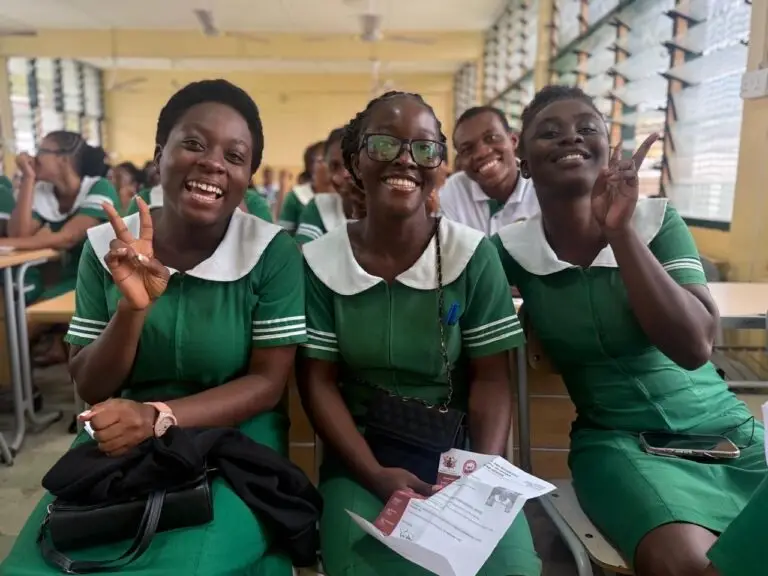
KINGSTON, JAMAICA — The first cohort of 43 ghanaian nurses arrive in jamaica under a four-year bilateral health cooperation framework that provides for up to 400 healthcare workers to serve in the Caribbean nation, as reported by the Jamaica Observer.
The incoming health personnel bring high-level expertise across critical care, pediatrics, operating theater nursing, emergency medicine, oncology, and psychiatric care to strengthen public health institutions.
“We warmly welcome the Ghanaian nurses and look forward to the valuable contribution they will make to our health system,” stated Dr. Christopher Tufton, Jamaica’s Minister of Health and Wellness, following their arrival.
Allocation Across Regional Health Authorities
The initial group of healthcare specialists will be deployed across major health jurisdictions to bolster clinical capacity and patient care delivery:
Regional Health Authority
Primary Parishes & Key Facilities Covered
Western Regional Health Authority
Serving St. James, Westmoreland, Trelawny, and Hanover parishes.
South East Regional Health Authority
Serving Kingston & St. Andrew, St. Thomas, and St. Catherine parishes.
Tertiary Academic Hospitals
Direct clinical placements at the University Hospital of the West Indies.
Global Brain Drain and Ethical Recruitment Debates
As the ghanaian nurses arrive in jamaica to fill acute clinical staffing gaps, the deployment reopens broader conversations surrounding health worker migration from West Africa. Ghana remains on the World Health Organization’s Health Workforce Support and Safeguards List, which restricts aggressive active recruitment from nations facing critical workforce shortages.
While government-to-government agreements comply with WHO ethical recruitment codes by bypassing aggressive private headhunters, public health policy analysts caution that managed migration must remain genuinely temporary:
Ethical Safeguards: Frameworks must ensure guaranteed return positions, skills acquisition, and investment in home-country training institutions.
Brain Drain Vulnerabilities: Loss of senior specialist nurses in critical care, oncology, and mental health leaves domestic hospitals struggling to train replacements.
Regional Pressure: Neighboring countries like Nigeria face similar emigration pressures as thousands of specialized nurses and doctors seek overseas placements.
Why It Matters: Government-managed healthcare migration balances international workforce support with local health system resilience only if specialist placements remain temporary and structured.
Mental Health Challenges in Nigeria: Funding,… The World Health Organization (WHO) has consistently emphasized the critical importance of mental health, making it a global concern for the past three years through their World Mental Health Day themes. In 2021, the WHO…
Strategies to strengthen infrastructural development… Across the continent, health infrastructure is unevenly distributed, with major gaps in the coverage of rural areas and often of poor quality. A third of Africans live more than two hours away from health services,…
$300M World Bank loan to upgrade health security Abuja, Nigeria – In a significant move to strengthen Nigeria’s healthcare system, the World Bank has approved a $300 million loan to boost health security and resilience across the country. The funding comes at a…
Healthy FIFA World Cup Qatar 2022; Creating a Legacy… With Qatar soon to take the centre stage of world sports, the World Health Organization and the Qatar Ministry of Public Health are driving efforts to help make this year’s celebration of football, the “world’s…