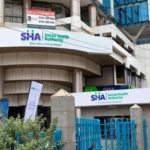
NAIROBI, KENYA — Under the updated kenya sha hakika rules framework, Kenyan healthcare providers face a strict midnight deadline on September 30 to execute new digital agreements or lose access to public health scheme reimbursement starting October 1.
Kenyans.co.ke reported on September 28 that current healthcare provider contracts will officially expire at 11:59 p.m. on September 30. Mercy Mwangangi, Chief Executive Officer of the Social Health Authority (SHA), confirmed that facility access to the provider portal will be turned off immediately for uncontracted institutions when the new 2026–2029 cycle begins.
The new operational guidelines, designated as the HAKIKA framework, apply across all four primary SHA health funds: the Primary Health Care Fund, the Social Health Insurance Fund, the Emergency, Chronic and Critical Illness Fund, and the Public Officers Medical Scheme Fund.
Key Pillars of the Kenya SHA Hakika Rules Framework
The updated digital verification protocol aims to streamline provider administration, eliminate paper-based verification delays, and curb historical billing fraud:
Key Objective Pillar
Operational Requirements & Structural Directives
Digital Portal Onboarding
Mandatory application submission, document upload, and license verification via E-Contracting
Long-Term Stability
Standardized contract coverage running from October 1, 2026, to June 30, 2029
Broad Fund Coverage
Enforces uniform kenya sha hakika rules across all 4 public healthcare financing categories
Strict Service Penalties
Immediate account deactivation for non-compliant facilities at midnight, September 30
Digital Verification Goals and Coverage Risks in Rural Areas
Healthcare facilities must complete their compliance applications through the SHA E-Contracting Platform, which launched on September 18. The transition to automated document verification directly replaces the legacy paper-based process inherited from the former National Hospital Insurance Fund (NHIF), which was prone to verification backlogs and fraudulent claims by unlicensed facilities.
While the multi-year contract timeline provides long-term operational predictability for major hospitals, the strict digital rollout introduces significant risks for rural and faith-based clinics. Facilities in remote regions with limited administrative capacity or poor internet infrastructure may struggle to meet the tight deadline, raising concerns that registered members in underserved areas could be turned away or forced to pay out of pocket.
Additionally, the authority has initiated forensic verification of substantial historical claims accumulated under the former national insurance fund to ensure financial transparency across the entire healthcare system.
Why It Matters: If small rural facilities miss the online deadline under the new kenya sha hakika rules, SHA members in underserved areas could lose access to covered care from October 1.
Kenya’s SHA Gives Hospitals 14 More Days to Sign New… NAIROBI, KENYA — Resolving an immediate standoff with county leaders, kenya sha gives hospitals 14 additional days to execute new healthcare provider contracts for the 2026–2029 cycle. The Social Health Authority (SHA) extended the formal…
Kenya SHA Hospitals Contract Deadline Nears NAIROBI, KENYA — As the official deadline approaches, health officials report that kenya sha hospitals contract applications have reached 7,244 expressions of interest, though the Social Health Authority warns that registration alone does not constitute…
How Kenya SHA Provider Contracting Shapes Healthcare Access NAIROBI, KENYA — Kenya’s Social Health Authority has officially opened a nationwide provider contracting cycle covering 1 October 2026 through 30 June 2029, establishing new administrative and reimbursement rules across all 47 counties. According to…
Kenya’s Social Health Authority Launches… NAIROBI, KENYA — Kenya's Social Health Authority has officially launched its centralized online system to streamline healthcare service agreements. Accessing the kenya sha e contracting portal enables public, private, and faith-based healthcare facilities to submit…