Water is life. Across Africa, water is central to farming, cooking, and daily living—but when it comes to personal health, many people overlook the power of hydration. From fatigue and headaches to kidney disease and heart problems, many health issues are linked to not drinking enough water.
While sugary drinks and sodas are becoming more popular, water remains the cheapest, safest, and most effective medicine available. This article explores why hydration is Africa’s real hidden medicine and provides practical tips for drinking enough water every day.
Why Hydration Matters for Health
The human body is about 60–70% water, and every organ depends on it. Proper hydration is essential because water:
Regulates body temperature, especially in Africa’s hot climate.
Flushes toxins from the kidneys and liver.
Supports digestion and prevents constipation.
Improves brain function, memory, and focus.
Protects joints and muscles by keeping them lubricated.
Without enough water, the body becomes stressed, leading to fatigue, confusion, and long-term damage.
The Dangers of Dehydration in Africa
Dehydration is common in African communities, especially due to high temperatures, outdoor labor, and limited access to clean water in some areas. Signs of dehydration include:
Dry mouth and cracked lips.
Headaches and dizziness.
Dark-colored urine or reduced urination.
Fatigue and lack of concentration.
Severe dehydration can lead to kidney failure, seizures, or even death. Children, the elderly, and outdoor workers are most at risk.
Water vs Sugary Drinks
In African cities, sugary drinks, sodas, and energy drinks are widely consumed. Unfortunately, these drinks:
Contain excess sugar, increasing the risk of obesity and diabetes.
Dehydrate the body, rather than hydrate it.
Contribute to dental problems like cavities.
Replacing sodas with water can prevent many lifestyle diseases while saving money.
How Much Water Do You Really Need?
The amount of water each person needs depends on age, activity, and climate. As a guide:
Adults: 2–3 liters daily (about 8–10 cups).
Children: 1–1.5 liters daily.
Outdoor workers: May need more than 3 liters in hot weather.
A simple rule: Check your urine color. Clear or light yellow means you’re hydrated, while dark yellow means you need more water.
Practical Tips to Stay Hydrated
1. Start Your Day with Water
Drink a glass of water first thing in the morning to kick-start digestion and metabolism.
2. Carry a Water Bottle
Whether in the market, office, or school, having water within reach makes it easier to sip throughout the day.
3. Add Natural Flavor
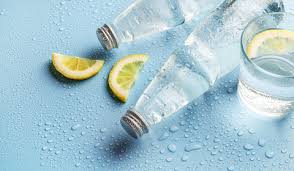
If plain water feels boring, add lemon, cucumber, ginger, or mint leaves for taste and extra health benefits.
4. Eat Water-Rich Foods
Fruits like watermelon, oranges, and pineapples, and vegetables like cucumber and lettuce contribute to hydration.
5. Limit Alcohol and Caffeine
Alcohol and excessive tea or coffee can dehydrate the body. Always drink water alongside them.
Cultural Wisdom on Water
In many African cultures, water is considered sacred. Proverbs and traditions highlight its value:
Yoruba proverb: “Omi l’aye” (Water is life).
Communities often welcome guests with water before food, symbolizing health and respect.
Returning to these traditions reminds us of the wisdom of prioritizing water for health.
Long-Term Benefits of Proper Hydration
Drinking enough water daily leads to:
Better kidney health, reducing the risk of kidney stones.
Stronger immunity, as water helps flush out toxins.
Improved skin health, keeping it fresh and youthful.
Higher energy levels, making work and study more productive.
Reduced risk of lifestyle diseases such as diabetes, hypertension, and obesity.
Conclusion
Hydration is truly Africa’s hidden medicine—affordable, available, and powerful. By drinking more water and replacing sugary drinks with healthier choices, families can protect their health and reduce hospital visits.
Every sip of water is an investment in long-term wellbeing. For African parents, workers, and young people, the message is simple: choose water first, choose health always.
Diabetes in Nigeria: Why Blood Sugar Control Fails Diabetes in Nigeria does not usually fail in the clinic. Among people who reach a specialist and stay in care, control is often reasonable. It fails in the years before anyone tests you, and it…
Chronic Kidney Disease in Nigeria: What you need to know Chronic Kidney Disease (CKD) is increasingly becoming one of the most pressing public health challenges in Nigeria. Often linked with hypertension, diabetes, and lifestyle changes, CKD is a long-term condition in which the kidneys gradually…
Daily Habits to Prevent Lifestyle Diseases in Africa Across Africa, more people are being diagnosed with lifestyle-related illnesses such as diabetes, hypertension, heart disease, and obesity. These conditions—once seen as problems of Western countries—are now widespread in African cities, towns, and even rural…
Metformin Side Effects: What Is Normal and What Is Not Most people meet metformin side effects in the first fortnight, decide the drug does not agree with them, and stop it without telling anyone. That decision is usually wrong, and it is almost always avoidable,…