In response to the alarming brain drain affecting the health sector and the surge in medical tourism among Nigerians seeking healthcare abroad, the House of Representatives Committee on Health Institutions has pledged to take decisive steps. The committee aims to reverse this trend by addressing critical issues such as manpower, equipment, and infrastructure in healthcare institutions, particularly in the Federal Capital Territory (FCT).
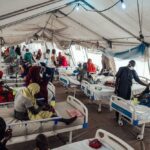
The Medical Director of the Federal Medical Centre (FMC), Jabi, Abuja, Prof. Sa’ad Ahmed, revealed during an oversight visit that 51 healthcare workers had resigned since the beginning of 2023, leading to a significant manpower shortage at the hospital.
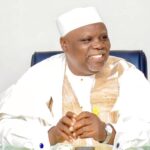
Chairman of the House of Representatives Committee on Health Institutions, Amos Magaji, expressed the committee’s commitment to improving healthcare delivery in Nigeria. Magaji emphasized the need to make Nigerian hospitals more functional to attract patients from other countries, reducing the reliance on medical tourism.
Magaji stated, “We want to see that people are coming from Niger Republic, Ghana, and Egypt to access healthcare here. We are going to see that medical tourism is reduced, and it cannot reduce until we deal with the issues of manpower, equipment, infrastructure.”
The committee highlighted the necessity of equipping hospitals through Public-Private Partnership (PPP) due to the low budget allocation for health. Additionally, there is a focus on increasing the budgetary allocation for the health sector to address infrastructural challenges.
Recognizing the shortage of human resources for health, Magaji emphasized the importance of making enrollment into medical schools more accessible, attractive, and competitive. The committee also expressed its intention to secure additional land allocation for the expansion of healthcare services at FMC Jabi.
Deputy Chairman of the committee, Hon Adedayo Adesola, addressed the issue of health workers leaving the country, referring to it as the “Japa syndrome.” Adesola emphasized the need to create favorable conditions for health workers to prevent mass exodus.
Prof. Ahmed outlined the challenges faced by the hospital, including brain drain affecting every department. Despite the challenges, the hospital has implemented technological solutions, such as an effective electronic medical record system, to enhance service delivery. Collaborations with international institutions for research and infrastructure development are also underway.
The House of Representatives Committee on Health Institutions remains committed to intervening in the health sector to ensure affordable, accessible, and quality healthcare in Nigeria. As the nation grapples with the critical issue of brain drain, the committee’s efforts aim to create a healthcare system that not only meets local needs but also attracts patients from neighboring countries.