NAIROBI, KENYA — Kenya’s Principal Secretary for Medical Services, Dr Ouma Oluga, has urged health institutions to take shared responsibility for implementing the Kenya US health cooperation framework as the government finalises the agreement, Citizen Digital and KBC reported on 16 November.
Oluga asked institutions, chief executive officers and technical teams to own the framework’s risk assessment and mitigation plan, so that it reflects their circumstances and Kenya’s ongoing health reforms, according to a Ministry of Health statement.
What the Kenya US health cooperation framework involves
“The process should identify vulnerabilities, strengthen institutional systems and address implementation risks,” the ministry said. Oluga stressed that the exercise is meant to improve preparedness “rather than serve as an audit or fault-finding exercise,” KBC reported.
He also called for diplomatic discipline, clear communication and the protection of Kenya’s national interests during negotiations, and reaffirmed the government’s commitment to “delivering quality healthcare to all Kenyans.”
Neither report gave funding figures for the framework.
The Kenya US health cooperation framework replaces earlier arrangements under which much US health support flowed through implementing partners rather than directly through government systems. As general background, many such bilateral frameworks agreed by African governments in the past year provide for a gradual increase in domestic co-financing.
A shift to a government-led system
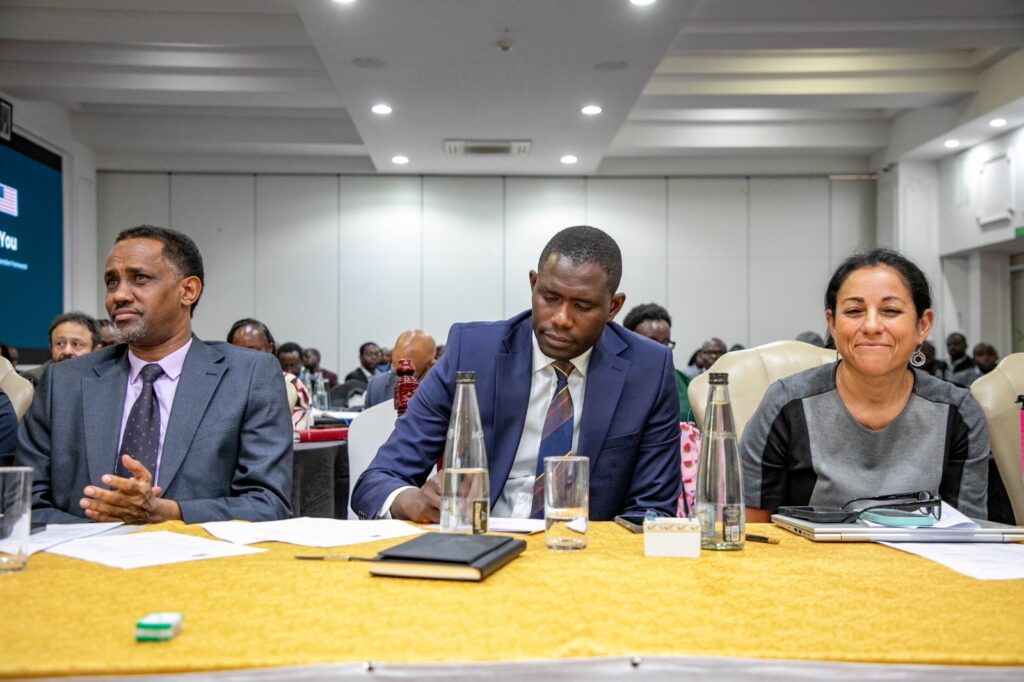
At an earlier stakeholder meeting on 12 November, Oluga convened Kenyan officials, US government representatives, implementing partners and other stakeholders to operationalise the framework, the Ministry of Health said. Discussions focused on a transition to a government-led health system while keeping essential services running, retaining technical staff and preserving gains in service delivery.
Oluga credited the partnership with supporting HIV treatment, malaria control, tuberculosis response, maternal and newborn health, workforce development and disease surveillance, according to the ministry. He described the framework as an opportunity to build “a new model of health cooperation anchored on efficiency, self-reliance, accountability and sustainability.”
Participants included Heidi O’Bra, the US government health lead, Dr Jennifer Galbraith of the US Centers for Disease Control and Prevention, and Dr Kevin Osuri, chair of the Council of Governors’ Health Chief Officers Caucus, the ministry said.
Financing through SHA
Oluga named sustainable financing as a priority and called for “stronger domestic resource mobilisation through the Social Health Authority (SHA)” to reduce reliance on external funding, the ministry said. He also stressed aligning partner-supported programmes with national priorities, strengthening county health systems and coordinating workforce and service transitions.
SHA, which replaced the National Health Insurance Fund, has faced scrutiny over claims and records, as HealthCoach Africa has reported in its coverage of the SHA claims audit. The authority began a nationwide door-to-door registration drive on 16 November.
Oluga has said about 70 per cent of Kenyans had registered with SHA by the end of October, while Kenya’s Ministry of Health said this month that more than 33 million Kenyans had registered through the Afya Yangu platform. Turning registrations into regular contributions is the key test for domestic financing.
Why the transition matters for patients
As general background, US funding through programmes such as PEPFAR has supported HIV treatment for hundreds of thousands of Kenyans for two decades, as well as laboratory systems, health worker salaries and supply chains for medicines and test kits. Changes in US global health funding since 2025 have pushed many African governments to plan for greater self-reliance.
For people living with HIV and other chronic conditions, the main risk in any transition is disruption: missed medicine refills, closed clinics or loss of staff. Keeping supplies flowing and staff in place during the handover is essential to protect treatment outcomes.
Counties play a central role because they run most health facilities under Kenya’s devolved system. The involvement of county health chief officers in the planning reflects that.
Health workers employed through partner-funded projects are another concern. If their posts are not absorbed into county or national payrolls, facilities could lose nurses, clinical officers, data clerks and community health workers who support HIV and TB programmes.
The Kenya US health cooperation process also comes as Kenya is completing its 42-day countdown after its Ebola outbreak, during which US and WHO support for surveillance and laboratories was important.
The Kenya US health cooperation framework is expected to be finalised in the coming weeks. Its success will depend on whether domestic financing through SHA and county budgets can grow fast enough to sustain services that were previously supported by external partners.
Why it matters: Kenya is shifting donor-supported HIV, TB and malaria services onto its own budget, and any gaps could disrupt care for patients.
Kenya and WHO Review Ebola Response After Three… NAIROBI, KENYA — Kenya and the World Health Organization (WHO) have held a Kenya WHO Ebola review after the country recorded three consecutive weeks without a new confirmed case, and agreed to develop a joint…
Kenya Reports Child Health Gains but Newborn Deaths… NAIROBI, KENYA — Kenya has recorded significant Kenya child health gains, with under-five deaths falling and stunting dropping sharply, but newborn mortality remains well above the national target, KBC reported on 12 November, citing the Ministry…
Mental Health Challenges in Nigeria: Funding,… The World Health Organization (WHO) has consistently emphasized the critical importance of mental health, making it a global concern for the past three years through their World Mental Health Day themes. In 2021, the WHO…
Assessment Finds Poor Coordination and Funding Gaps… ACCRA, GHANA Ghana’s efforts to use digital technology to improve healthcare are being held back by poor coordination, inadequate funding, weak infrastructure and gaps in data protection, according to an assessment presented at a workshop…