Chronic conditions, explained properly
Diabetes, heart disease, thyroid disorders, fertility, sexual health and chronic pain. Conditions you manage for years rather than cure in a week. Every guide here is medically reviewed and written for the realities of care in Africa.
Adults aged 20 to 79 were living with diabetes across the IDF Africa region in 2021, a figure projected to reach 33 million by 2030.
Couples worldwide are affected by infertility according to the World Health Organization, with higher prevalence across sub-Saharan Africa.
Nigeria carries the world's highest burden of sickle cell disease, one of the most severe and most under-treated sources of chronic pain.
Find your condition
Six dedicated hubs, each with symptoms, treatment options and practical guidance you can act on.
Blood pressure, cholesterol and cardiac risk
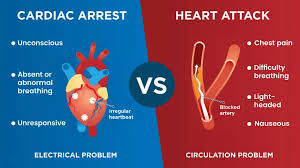
Hypertension in young adults, blood pressure medicines explained, cholesterol management, and the difference between a heart attack and cardiac arrest.
Explore heart health →
Blood sugar, metformin and complications
Causes and symptoms, what to eat and what to avoid, how metformin works, and the six habits that prevent the complications that do the real damage.
Explore diabetes →
Hypothyroidism, goiter and nodules
A small gland that sets your metabolism, heartbeat, weight and mood. Underactive and overactive thyroid, iodine deficiency, neck lumps and thyroid cancer.
Explore thyroid →
Conception, infertility and the stigma around it
Male and female fertility, when to see a specialist, why STIs cause infertility, and why the blame falls on women when a male factor is involved half the time.
Explore fertility →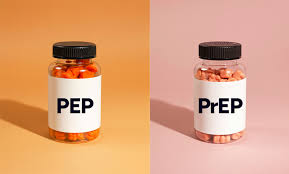
HIV prevention, STIs and men's health
PrEP and PEP explained, why finishing STI treatment matters, HPV vaccination, consent, and the conditions men rarely raise with a doctor.
Explore sexual health →
Acute versus chronic pain, safely managed
Arthritis, headaches, back and nerve pain, pain in older adults, and how to use painkillers without doing yourself harm.
Explore pain management →Latest across chronic conditions
Newly published and recently reviewed.
More across conditions
Heart Attack vs Cardiac Arrest: Key Differences
August 27, 2025
Delaying Motherhood: Is Africa's Fertility Ticking Clock?
September 2, 2025Stopping HIV in its Tracks: The Role of PrEP and PEP
September 1, 2025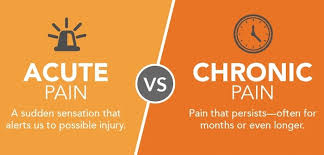
Acute vs Chronic Pain: Key Differences and Why They Matter
August 29, 2025What makes a condition chronic
A chronic condition lasts three months or longer and is managed rather than cured. That single distinction changes everything about how it should be treated.
The goal shifts from cure to control
Success is measured in stable blood pressure, suppressed viral load, a normal TSH or a functional day, not in the absence of the condition.
Feeling well is not the same as being well
Hypertension, diabetes and thyroid disease often produce no symptoms while still causing damage. Stopping medicine because you feel fine is how complications begin.
Adherence is the whole ballgame
Most chronic treatment failure is not the medicine failing. It is doses missed because of cost, distance, stigma or side effects nobody warned you about.
Living well with a chronic condition
Principles that hold across every condition on this page.
Never stop medication on your own
If cost, side effects or supply is the problem, say so. There is almost always an alternative regimen. Silently stopping is the worst of the available options.
Keep one medicines list
Write down every tablet, dose and supplement you take, including herbal ones. Bring it to every appointment. Interactions cause more harm than most people realise.
Know your own numbers
Blood pressure, HbA1c, TSH, viral load, cholesterol. Ask what yours are and what the target is. Managing what you cannot measure is guesswork.
Do not wait for symptoms
The most damaging chronic conditions are the quiet ones. Routine screening finds them while they are still cheap and simple to control.
Plan for refills before you run out
Treatment gaps drive resistance in HIV, rebound in hypertension and crises in diabetes. Order early rather than on the last tablet.
Treat mental health as part of it
Chronic illness and depression feed each other, and depression is one of the strongest predictors of poor adherence. It is a clinical issue, not a character one.
Managing a condition long term? You should not do it alone
Our pharmacists help patients stay on treatment every day, from explaining what a result means to sorting out side effects and refills before they run out. Afiya, our AI health companion, is available any time in your own language.
Need your medicines delivered on repeat? Order from HubPharm Africa
Get The HealthCoach Brief
Weekly health insight, medically reviewed, plus grants and opportunities across Africa.
The information on this page is for educational purposes only and is not a substitute for professional medical advice, diagnosis or treatment. Chronic conditions require individual assessment, and decisions about medication, dosing or stopping treatment should always be made with a qualified doctor or pharmacist who knows your history. If you experience chest pain, difficulty breathing, sudden weakness or confusion, or any other symptom you believe is an emergency, seek immediate medical care or call 112.