Trending
Drugs & Supplements · Drugs

The medicine is only as good as the medicine you actually get

Counterfeit drugs, antimicrobial resistance, self-medication and the price of staying alive. Africa imports over 70 percent of its medicines, and what arrives is not always what the label says. Here is how the system works, where it fails, and how to protect yourself.

Medically reviewed content · Available in 8 languages · Afiya now used in 31 countries

42%

Of all fake medicines reported globally come from Africa, according to WHO data. Nigeria's counterfeit share reached around 70 percent in the early 2000s before NAFDAC's crackdown.

1 in 10

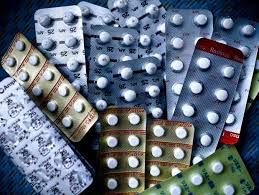
Medical products in low and middle income countries is substandard or falsified. Some contain the wrong dose, some contain nothing active at all.

10 million

Deaths a year globally by 2050 if antimicrobial resistance goes unchecked, on WHO projections, with Africa carrying a disproportionate share.

Before you swallow it: how to check a medicine is genuine

  • Buy only from a registered pharmacy, never from street vendors or open markets
  • Look for the NAFDAC registration number on the pack
  • Use NAFDAC's Mobile Authentication Service where the scratch panel is present
  • Check the expiry date and batch number, and that they match the outer carton
  • Reject packs with spelling errors, blurred printing, or broken or resealed seals
  • Be suspicious of a price far below the going rate, and of tablets that look or smell wrong

If a medicine has not worked as expected, or caused an unusual reaction, report it. Pharmacovigilance systems only catch dangerous products when patients and pharmacists actually report them.

What rational drug use actually means

The right medicine, at the right dose, for the right duration, at the lowest cost that works. The WHO estimates more than half of all medicines worldwide are prescribed, dispensed or sold inappropriately, and Africa carries more of that burden than most.

Right medicine

Matched to the actual diagnosis. Antibiotics do nothing for a viral infection, and taking them anyway breeds resistance while leaving you untreated.

Right dose

Adjusted for weight, age, kidney and liver function. Halving a dose to make a pack last longer is not saving money, it is wasting the medicine entirely.

Right duration

Finish the course your prescriber set. Stopping when symptoms ease is the single most common way ordinary infections become resistant ones.

Right cost

Quality generics are usually as effective as originator brands at a fraction of the price. Ask your pharmacist what the equivalent is.

Using medicines safely

Practical, evidence based steps drawn from our clinical library.

Do not self-prescribe antibiotics

Over 70 percent of Nigerians self-medicate with antibiotics. It masks the real diagnosis, delays proper treatment and directly drives the resistance crisis.

Keep one written medicines list

Every tablet, dose, supplement and herbal remedy, carried with you. Prescriptions get lost and memory is unreliable when it matters most.

Declare herbal remedies

Traditional preparations can interact dangerously with prescription medicines. Your pharmacist cannot warn you about what you do not mention.

Store medicines properly

Heat and humidity degrade active ingredients, which matters a great deal in this climate. Cool, dry, out of direct sun, and out of reach of children.

Never share prescriptions

A medicine that suits you may harm someone else, and the dose that works for you may be wrong for them. Prescriptions are issued to one person for a reason.

Report side effects

Tell your pharmacist about any unexpected reaction. Reports feed the pharmacovigilance system that pulls dangerous batches off the market.

Not sure a medicine is genuine? Ask before you take it

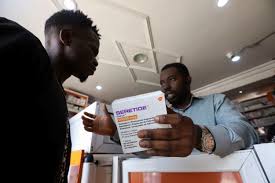
Our pharmacists check packs, registration numbers and interactions every day. Send a photo of the pack on WhatsApp and we will tell you what we see. Afiya, our AI health companion, is available any time in your own language.

Want medicines you can trust, delivered? Order from HubPharm Africa

Get The HealthCoach Brief

Weekly health insight, medically reviewed, plus grants and opportunities across Africa.

The information on this page is for educational purposes only and is not a substitute for professional medical advice, diagnosis or treatment. Do not start, stop, substitute or change the dose of any medicine without speaking to a qualified doctor or pharmacist. Prescription medicines should only be taken by the person they were prescribed for. If you suspect you have taken a counterfeit or substandard medicine, or you experience a serious reaction such as difficulty breathing, swelling of the face or throat, or a widespread rash, seek emergency care immediately or call 112, and report the product to NAFDAC.