Trending
Health & Business

The economics of African health, followed properly

Venture funding, capital markets, local manufacturing, medical tourism and donor flows. Who is putting money into African health, where it is going, and the gap between what is being funded and what the population actually needs. For founders, investors, policymakers and anyone building in this sector.

Independent reporting · Available in 8 languages · Published by HealthCoach Africa

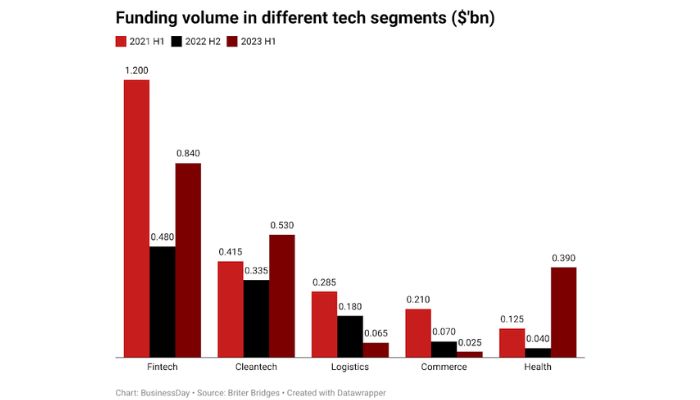
$330 million

Raised across more than 30 African health tech deals in the first half of 2023, against $40 million in the whole of H2 2022. The capital arrived fast.

$2 billion

Spent annually by Nigerians on medical tourism abroad. Retaining even a fifth of that domestically is the size of the opportunity in specialist care.

Under 400

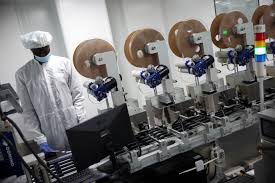
Drug manufacturers across the whole of Africa, against 10,500 in India. Between 70 and 90 percent of medicines consumed here are imported.

The gap the capital has not closed yet

  • Nigeria accounts for nearly 20 percent of all global maternal deaths
  • 512 maternal deaths per 100,000 live births, against a global average of 223
  • 117 under-five deaths per 1,000 live births, roughly one child in eight
  • Over 40 percent of Nigerian children under five are stunted
  • Under 5 percent of GDP goes to health, against the 15 percent Abuja Declaration target
  • A third of Africans live more than two hours from any health service

Africa needs an estimated $26 billion a year in health infrastructure investment and currently spends about $4.5 billion. Venture capital is flowing to digital distribution and diagnostics while the primary care, manufacturing and maternal health gaps stay open. That mismatch is the defining commercial and moral question in this sector.

Where the money actually went

The largest disclosed African health tech rounds in the first half of 2023, from our reporting. Useful as a benchmark if you are raising, and as a map of which models investors were willing to back.

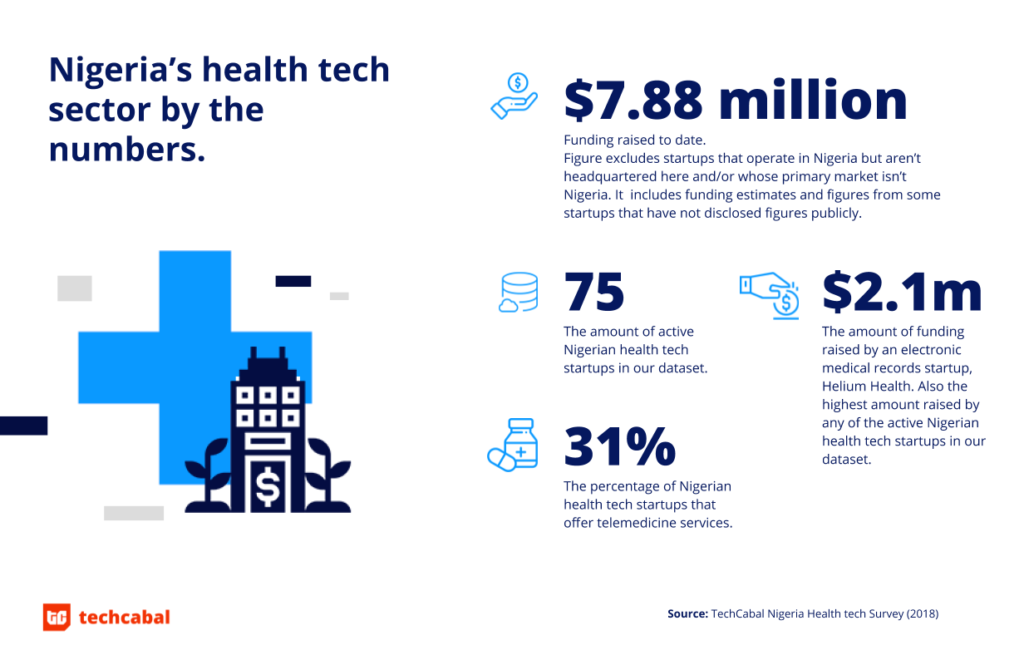
Helium HealthNigeria$30m
MYDAWAKenya$20m
YodawyEgypt$16m
Remedial HealthNigeria$12m
Dawi ClinicsEgypt$8m
Berry HealthGhana$1.6m
Quro MedicalSouth Africa$1.3m
DataPathologyMorocco$1m
ClafiyaNigeria$610k

Total sector funding reached $330 million across more than 30 deals in H1 2023, against $125 million in H1 2022 and $40 million in H2 2022. Figures are as reported at the time and are not investment advice.

Where the opportunity sits

Six structural gaps in African health, drawn from the reporting on this page.

Local pharmaceutical manufacturing

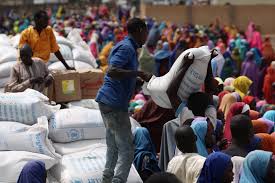
Under 400 manufacturers across Africa against 10,500 in India, with 70 to 90 percent of medicines imported. Every currency shock becomes a medicine shortage.

Diagnostics and laboratory networks

Import substitution in test kits and molecular laboratory capacity, both identified as bottlenecks that delay diagnosis at population scale.

Retaining medical tourism spend

Around $2 billion leaves Nigeria annually for treatment abroad. Specialist capacity that keeps a fifth of that at home is a large, addressable market.

Last-mile distribution

A third of Africans live over two hours from care. Distribution and delivery models reach patients that new buildings will not reach for a decade.

Public capital markets

Health is barely represented on the Nigerian Exchange next to banking, oil and gas, and telecoms. Listing is an underused route to growth capital in this sector.

Resilience to donor withdrawal

Donor commitments fell around 30 percent since 2023. Models that survive without grant subsidy are now the only ones worth building.

Building in African health

We are not only covering this sector. We are in it.

HealthCoach Africa is part of the HubCare Global group. HubPharm Africa, our sister company, is a tech-enabled specialty pharmacy and coordinated care platform working on exactly the gaps described on this page: last-mile distribution, chronic care coordination and medicine access. If you are an investor, hospital, HMO or manufacturer working on the same problems, we should talk.

Disclosure: HubPharm Africa is named in some of the reporting linked on this page. It is a sister company of HealthCoach Africa within the HubCare Global group.

Get The HealthCoach Brief

Funding rounds, policy shifts and health market intelligence across Africa, straight to your inbox each week.

This page is journalism and general information about the health sector. It is not investment advice, and nothing here is a recommendation to buy, sell or hold any security or to invest in any company or fund. Funding figures, valuations and market data are as reported at the time of publication, may have changed since, and should be independently verified before any commercial decision. Clinical and product claims described in company or trial reporting are those of the organisations concerned. Speak to a qualified financial adviser before making investment decisions, and to a qualified doctor or pharmacist about any medical matter.