Trending
Health Conditions · Pain Management

Pain is a signal, not a sentence

From arthritis and sickle cell crises to migraines and back pain, millions of Nigerians live with pain that is treatable but undertreated. Here is how to tell short-term pain from chronic pain, what actually helps, and when to stop managing it at home.

Medically reviewed content · Available in 8 languages · Afiya now used in 31 countries

3 months

Pain lasting beyond three to six months is chronic, not acute. It needs ongoing management, and treating it like a short-term injury only masks the problem.

Highest burden

Nigeria carries the world's highest burden of sickle cell disease, where recurrent vaso-occlusive crises are among the most severe pain any patient experiences.

Scarce by design

Morphine and other essential pain medicines remain hard to obtain because of strict controls, cost and fragile supply chains, leaving cancer and palliative patients undertreated.

Pain that needs urgent medical attention

  • Chest pain, or pain spreading to the arm, jaw or back
  • A sudden, severe headache unlike any you have had before
  • Pain with fever, confusion, or a stiff neck
  • Pain with numbness, weakness, or loss of bladder or bowel control
  • Severe abdominal pain that comes on suddenly
  • A sickle cell crisis not responding to your usual home measures

Do not wait these out and do not self-medicate through them. Seek emergency care or call 112.

Acute or chronic? It changes everything

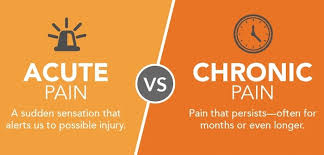
Treating chronic pain like acute pain gives temporary relief while the root cause continues. This is the distinction that decides your treatment plan.

Acute pain
  • Duration Days to weeks
  • Cause Injury, surgery, infection, usually identifiable
  • Purpose A warning signal that something is wrong
  • Treatment Short-term: rest, medication, treat the cause
  • Outcome Resolves once the underlying cause is treated
Chronic pain
  • Duration Three months or longer
  • Cause Long-standing illness, nerve damage, sometimes unclear
  • Purpose No longer a useful signal, the pain becomes the condition
  • Treatment Ongoing and multi-layered: medication, physical therapy, psychological support, lifestyle
  • Outcome Managed rather than cured, with function as the goal
Read the full comparison →

Managing pain safely

Practical, evidence based steps drawn from our clinical library.

Do not stack painkillers

Many combination products already contain paracetamol. Taking them alongside another paracetamol tablet risks liver damage without you realising it. Read every label.

Respect NSAID limits

Ibuprofen and diclofenac irritate the stomach lining and strain the kidneys. Take them with food, for the shortest time needed, and avoid them entirely if you have ulcers or kidney disease.

Never buy opioids off the street

Tramadol and codeine bought without a prescription are frequently counterfeit or wrongly dosed, and dependence builds fast. If you need this class of medicine, you need a prescriber.

Move, do not freeze

For most back and joint pain, prolonged bed rest makes things worse. Gentle graded movement, physiotherapy and swimming maintain function better than immobility.

Treat sleep and stress as part of the plan

Poor sleep and chronic stress amplify pain perception measurably. Addressing them is not optional extra, it is part of the treatment.

Tell your pharmacist what else you take

Painkillers interact with blood thinners, blood pressure medicines and diabetes drugs. A one-minute check prevents a serious problem.

Not sure which painkiller is safe for you?

That answer depends on your kidneys, your stomach, your other medicines and what is actually causing the pain. Our pharmacists will work through it with you on WhatsApp, at no cost. Afiya, our AI health companion, is available any time in your own language.

Need your medicines delivered? Order from HubPharm Africa

Get The HealthCoach Brief

Weekly health insight, medically reviewed, plus grants and opportunities across Africa.

The information on this page is for educational purposes only and is not a substitute for professional medical advice, diagnosis or treatment. Pain has many causes and the right treatment depends on the cause, so persistent or worsening pain should always be assessed by a qualified doctor or pharmacist rather than managed indefinitely at home. Do not exceed the stated dose of any painkiller, do not combine products containing the same active ingredient, and do not take opioid medicines such as tramadol or codeine without a prescription. If you have chest pain, a sudden severe headache, pain with fever or confusion, or new numbness or weakness, seek emergency care immediately or call 112.