Trending
Drugs & Supplements · Herbs

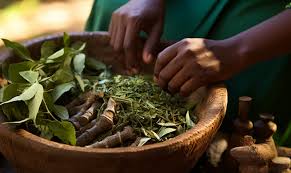
Herbs are powerful. That is exactly why they deserve respect

Up to 80 percent of Africans use herbal medicine, and the world's best malaria drug came from a plant. But natural does not mean harmless, and some of the most popular remedies interact dangerously with prescription medicines. Here is the evidence, and the honest cautions.

Medically reviewed content · Available in 8 languages · Afiya now used in 31 countries

Up to 80%

Of Africans rely on herbal medicine for primary healthcare, according to WHO estimates, often because it is closer, cheaper and more trusted than the clinic.

Nobel Prize

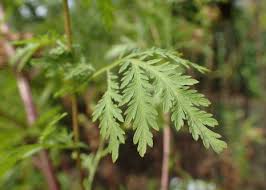
Artemisinin, drawn from Artemisia annua, won the 2015 Nobel Prize in Medicine and remains the backbone of ACTs, the world's most effective malaria treatment.

$350 billion

The projected size of the global herbal medicine market by 2030, a market Africa supplies raw material to far more than it profits from.

Herbs that interact with prescription medicines

  • St John's Wort reduces the effect of antidepressants, contraceptives and HIV medicines
  • Valerian root adds to sedatives and causes drowsiness
  • Bitter leaf and moringa can push blood sugar too low alongside diabetes medicines
  • Garlic and hibiscus can compound blood pressure medicines and blood thinners
  • African basil (scent leaf) in large amounts lowers blood sugar excessively
  • Aloe latex taken long term can affect the kidneys

Tell your doctor and pharmacist every herb, tea and supplement you take. They cannot warn you about what you do not mention, and most people never think to say it.

Where herbs must never replace medicine

Herbal medicine can complement treatment. In these four situations, substituting it for prescribed therapy causes avoidable deaths, and this is the part of the conversation that too often goes unsaid.

Malaria

Take the full ACT course. Neem, moringa and bitter leaf may ease symptoms, but they do not reliably clear the parasite, and some reduce how well ACTs work when taken together.

HIV

St John's Wort measurably lowers antiretroviral levels in the blood. That means viral rebound and resistance. Never combine it with HIV treatment.

Chronic disease

Garlic, hibiscus, bitter leaf and moringa may support blood pressure and blood sugar control. They cannot replace the medicines that are keeping those numbers safe.

Pregnancy

Many herbs are untested in pregnancy and some are actively unsafe. High-dose moringa in early pregnancy and prolonged aloe latex use are both flagged. Ask before you take anything.

Using herbs safely

Practical, evidence based steps drawn from our clinical library.

Disclose everything you take

Every tea, tincture, powder and root, on the same list as your tablets. Interactions are the single biggest avoidable risk in herbal medicine.

Treat dose as a real question

Preparations vary enormously between healers and brands, so the same herb can be mild in one cup and toxic in another. More is not safer.

Buy from a traceable source

Counterfeit and adulterated herbal products are widespread. Some are cut with undeclared steroids or painkillers. Unlabelled market powders are a gamble.

Watch your liver and kidneys

These organs process everything you swallow, herbal or not. Prolonged high-dose use of neem, aloe latex and others has been linked to organ stress.

Stop before surgery

Garlic, ginger and ginseng affect bleeding and clotting. Tell your surgeon at least two weeks ahead so they can advise on stopping.

Do not delay a diagnosis

The greatest harm from herbal medicine is usually not the herb. It is the weeks lost before someone with a treatable cancer, TB or malaria finally reaches a clinic.

Taking a herb alongside your medicine? Check first

Interaction checks take our pharmacists a minute and can prevent a serious problem. Tell us what you are taking, prescription and herbal, and we will tell you whether they are safe together. No judgement about using both. Afiya, our AI health companion, is available any time in your own language.

Need your medicines delivered? Order from HubPharm Africa

Get The HealthCoach Brief

Weekly health insight, medically reviewed, plus grants and opportunities across Africa.

The information on this page is for educational purposes only and is not a substitute for professional medical advice, diagnosis or treatment. Herbal remedies are not regulated to the same standard as prescription medicines, their strength varies between preparations, and many have not been tested in pregnancy, in children or in people with liver or kidney disease. Never stop or replace a prescribed medicine with a herbal remedy, and always tell your doctor and pharmacist which herbs and supplements you are taking. If you develop yellowing of the eyes or skin, severe abdominal pain, difficulty breathing or a widespread rash after taking any herbal product, stop it and seek urgent medical care or call 112.