Trending
Health Intelligence

The technology reshaping African health, and the governance it needs

AI diagnostics, electronic records, wearables, digital pharmacy and the financing behind them. What is actually being deployed across Africa, what the evidence supports, and where the WHO says caution is warranted. Written for people building and buying health technology, not just reading about it.

Medically reviewed · Available in 8 languages · Afiya now used in 31 countries

$300 million

Approved by the World Bank for Nigeria's Health Emergency Preparedness and Response Project, funding disease surveillance, digitised reporting and AI-assisted diagnostics.

$2.4 billion

The estimated annual cost of epidemics to African economies through lost productivity and emergency response. Surveillance technology is an economic argument, not only a clinical one.

80%

Accuracy achieved by MIT and Dana-Farber's OncoNPC model in predicting tumour origin, rising to 95 percent on high-confidence predictions. Real capability, narrow application.

Before you deploy: what the WHO warns about

  • Rapid deployment without understanding real-world performance puts patients at risk
  • Models trained on biased data amplify that bias at scale
  • Systems can propagate errors faster than humans can catch them
  • Health data collection without robust consent is an ethical and legal exposure
  • Cybersecurity failures in health systems carry patient safety consequences
  • External validation before release is a requirement, not a nice-to-have

The WHO's position is not that AI should be avoided. It is that regulators, clinicians, patients and developers need to be in the room together before deployment, not after. Governance is collaborative work across IT, compliance, legal, clinical and advocacy.

What good adoption looks like

Six principles drawn from the WHO guidance and the strategic frameworks covered here.

Data strategy before tooling

Governance, quality assurance and privacy come first. An AI layer on top of unreliable records produces confident, unreliable answers faster.

Validate externally before release

Performance on your own data is not evidence. Independent validation is the step most often skipped and most often regretted.

Pick use cases with calculable return

Fund specific problems with measurable outcomes rather than buying isolated tools because the category is fashionable.

Design for the person using it

Clinician adoption fails on interface and workflow far more often than on model accuracy. Budget for training, feedback and change management.

Build governance across functions

IT, compliance, legal, clinical staff and patient advocates together. A governance committee without clinicians is a compliance exercise.

Plan for infrastructure reality

Connectivity, power and device access shape what works in African settings. Cloud reduces capital cost but does not remove the bandwidth question.

Built in Africa, for Africa

Meet Afiya, our AI health companion

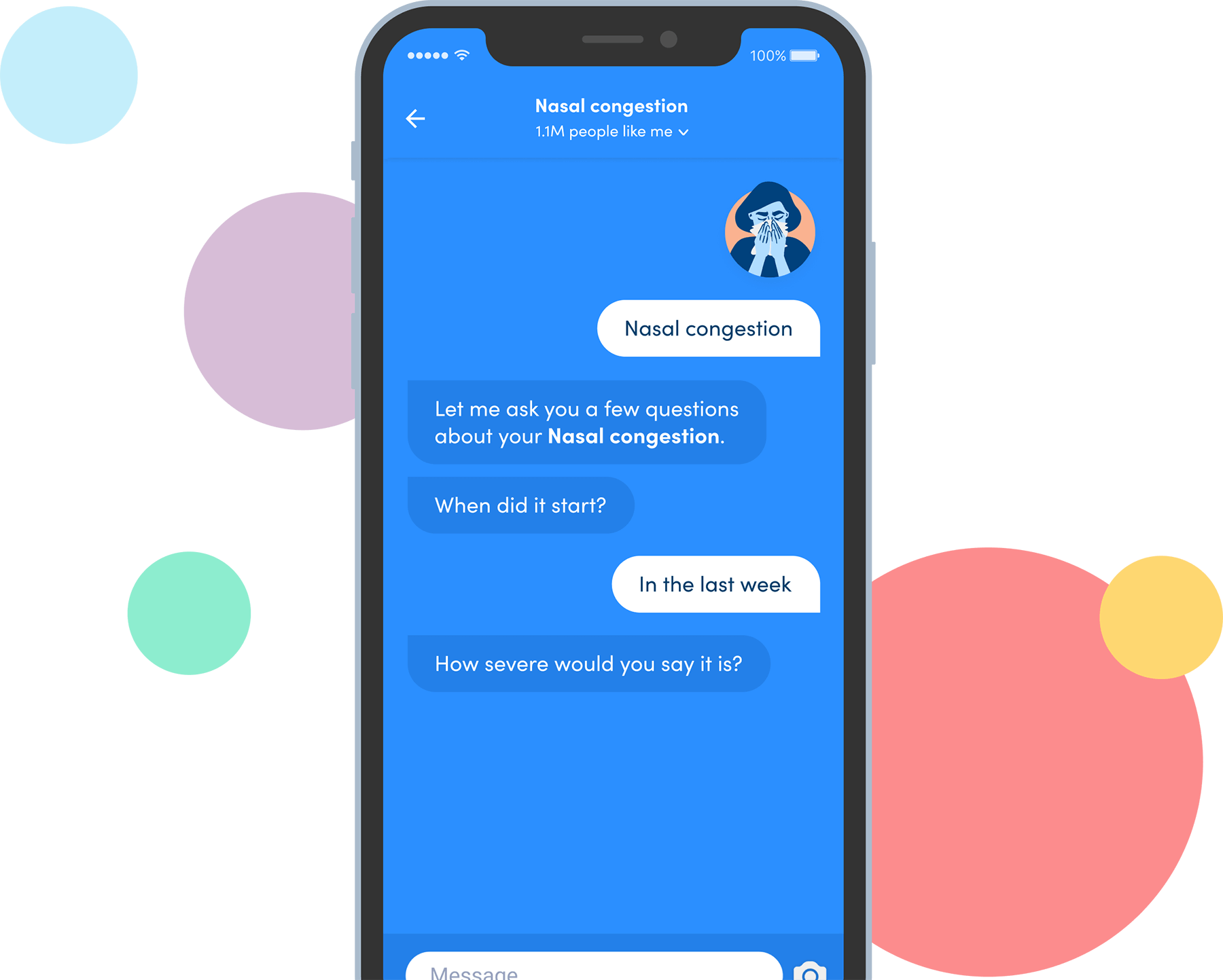
Everything on this page is about health technology in theory. Afiya is ours in practice: an AI health companion on WhatsApp, answering health questions in over 50 languages, used by more than 15,000 people across 31 countries. No app to download, no data plan beyond what WhatsApp already uses, and a licensed pharmacist behind it when a question needs one.

Need your medicines delivered? Order from HubPharm Africa

Get The HealthCoach Brief

Health technology, systems reporting and opportunities across Africa, straight to your inbox each week.

The information on this page is for educational purposes only and is not a substitute for professional medical advice, diagnosis or treatment. Health technologies described here, including AI diagnostic tools, wearables and symptom checkers, support clinical decisions but do not replace assessment by a qualified doctor or pharmacist, and readings from consumer devices should be confirmed clinically before acting on them. Research summarised here may include findings not yet peer reviewed. Afiya provides general health information and is not a diagnostic service. If you have symptoms that concern you, seek medical care, and in an emergency call 112.