Trending
Health Conditions · Sexual Health

Sexual health is health. Full stop

HIV prevention, STI treatment, contraception, consent and the conditions men rarely raise with a doctor. Clear, medically reviewed answers to the questions that shame keeps people from asking out loud.

Medically reviewed content · Available in 8 languages · Confidential, no judgement

About 99%

PrEP reduces the risk of acquiring HIV through sex by roughly 99 percent when taken as prescribed, and by at least 74 percent through injection drug use.

72 hours

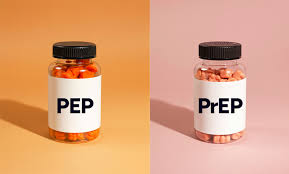
PEP must be started within 72 hours of a possible exposure and taken daily for 28 days. The sooner it begins, the higher the protection.

U = U

Undetectable equals untransmittable. Someone on treatment with a suppressed viral load cannot pass HIV to a sexual partner.

When to get tested, and when to act fast

  • Unusual discharge, burning when urinating, or genital sores
  • Pelvic or lower abdominal pain, or pain during sex
  • After any unprotected sex with a new partner
  • Before starting a new relationship, both partners together
  • During pregnancy, as part of routine antenatal care
  • At least once a year if you have more than one partner

Chlamydia and gonorrhoea often produce no symptoms at all while still causing damage, so feeling fine is not evidence of being clear. If you think you were exposed to HIV, seek PEP within 72 hours. Do not wait for symptoms.

Your prevention toolkit

Four tools, four different jobs. Most people need more than one.

Before and during

Condoms

The only method that protects against both STIs and pregnancy at once. Male and female versions are widely available across Africa. Pair with another contraceptive for dual protection.

Before exposure

PrEP

A daily tablet for people who are HIV negative but at ongoing risk. Around 99 percent effective against sexual transmission when taken consistently. It does not protect against other STIs.

After exposure

PEP

Emergency treatment started within 72 hours of possible exposure, then taken daily for 28 days. Not a substitute for ongoing prevention, but critical when something goes wrong.

Ongoing

Testing and treatment

Regular screening catches the infections that show no symptoms. If treated, finish the entire course. Partial treatment drives drug resistance, and gonorrhoea is already resisting antibiotics worldwide.

Protecting yourself and your partner

Practical, evidence based steps drawn from our clinical library.

Finish every course

Stopping antibiotics once symptoms ease leaves surviving bacteria to adapt. Incomplete STI treatment is a leading driver of drug resistant gonorrhoea.

Treat partners together

Treating one person while the other remains infected guarantees reinfection. Partner notification is uncomfortable but it is the only thing that works.

Take HIV medicines exactly as prescribed

Consistent adherence achieves viral suppression, prevents resistance and stops onward transmission entirely. Missed doses undo all three.

Vaccinate against HPV early

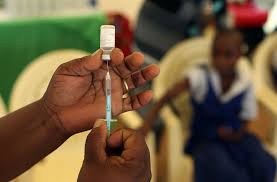
Two doses between ages 9 and 12, given 6 to 12 months apart, prevent more than 90 percent of HPV related cancers in later life.

Treat consent as ongoing

Enthusiastic, freely given, and reversible at any point. Silence is not consent, and agreement given under pressure or intoxication is not valid.

Raise ED with a doctor, not a vendor

Erectile dysfunction is frequently the first sign of diabetes, hypertension or cardiovascular disease. Unregulated street remedies mask a warning worth heeding.

Ask the question you have been avoiding

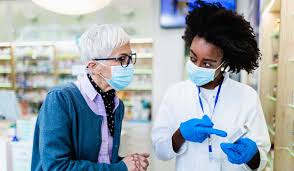
Our pharmacists handle sexual health questions every day, confidentially and without judgement. Whether it is PrEP, a suspected STI, contraception or erectile dysfunction, you can ask on WhatsApp instead of sitting in a waiting room. Afiya, our AI health companion, is available any time in your own language.

Need your medicines delivered discreetly? Order from HubPharm Africa

Get The HealthCoach Brief

Weekly health insight, medically reviewed, plus grants and opportunities across Africa.

The information on this page is for educational purposes only and is not a substitute for professional medical advice, diagnosis or treatment. Decisions about HIV prevention, antiretroviral therapy, contraception or any prescription medicine should be made with a qualified doctor or pharmacist who knows your history. If you believe you have been exposed to HIV, seek PEP within 72 hours. If you have experienced sexual assault, seek medical care immediately and ask about PEP and emergency contraception at the same visit. For emergencies, call 112.