Trending
Health Conditions · Fertility

Fertility is a medical issue, not a moral one

Roughly one in six couples worldwide struggle to conceive, and sub-Saharan Africa carries more than its share. Yet the conversation here is still shaped by blame, silence and spiritual explanation rather than diagnosis and treatment. This is the evidence, for both partners.

Medically reviewed content · Available in 8 languages · Afiya now used in 31 countries

48 million

Couples worldwide are affected by infertility according to the World Health Organization, with higher prevalence across sub-Saharan Africa.

40 to 50%

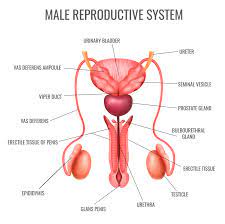
Of all infertility cases involve a male factor. The default assumption that the woman is at fault is wrong roughly half the time.

Under 20

Well equipped IVF centres serve Nigeria's 200 million plus people, and a single cycle costs between $3,500 and $7,000, rarely covered by insurance.

When to see a fertility specialist

  • Under 35 and trying for 12 months without conceiving
  • 35 or older and trying for 6 months without conceiving
  • Irregular, very painful or absent menstrual periods
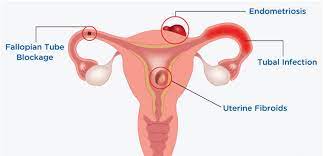
  • A known history of PCOS, endometriosis, fibroids or pelvic infection
  • A past sexually transmitted infection that went untreated
  • Two or more miscarriages, or a previous pelvic surgery

Both partners should be assessed at the same time. A semen analysis is quick, inexpensive and non-invasive, and it should be among the first tests done, not the last.

Setting the record straight

Four beliefs that delay diagnosis and cost couples years.

Myth

Infertility is the woman's problem.

Fact

A male factor is involved in 40 to 50 percent of cases. Testing only one partner wastes time and money.

Myth

Infertility is spiritual, so a healer or prayer house is the right first stop.

Fact

Most causes are physical and identifiable: blocked tubes, hormone imbalance, low sperm count, scarring from untreated infection. Faith and medical care are not in conflict.

Myth

If an STI had no symptoms, it did no damage.

Fact

Chlamydia and gonorrhoea are often silent, yet they scar fallopian tubes and cause epididymitis. Damage accumulates without a single symptom.

Myth

There is no point testing until you have tried for several years.

Fact

Twelve months is the threshold under 35, and six months at 35 or older. Earlier assessment widens your options rather than narrowing them.

Protecting your fertility

Practical, evidence based steps drawn from our clinical library.

Treat infections early

Untreated chlamydia and gonorrhoea are among the most preventable causes of infertility in Africa. Test, treat both partners, and complete the full course.

Test together, not in turn

Both partners assessed at the same time. Semen analysis is fast and cheap and should never be left until after months of investigating the woman alone.

Stop smoking, cut alcohol

Both measurably lower sperm count, motility and egg quality. This is one of the few fertility factors entirely within your control.

Manage weight and chronic illness

Obesity, diabetes and untreated thyroid disorders all disrupt ovulation and sperm production. Getting them controlled improves conception odds.

Know your cycle

Track your periods. Irregular or absent cycles are a signal worth investigating, not something to normalise or wait out.

Plan around the biology

Fertility declines meaningfully from 35. If children are part of your plan, factor that into timing or discuss preservation options early.

You can ask us anything, privately

Fertility questions are hard to ask out loud. Our pharmacists answer them every day without judgement, from what a semen analysis result means to whether a medicine is safe while trying to conceive. Afiya, our AI health companion, is available any time in your own language.

Need your medicines delivered? Order from HubPharm Africa

Get The HealthCoach Brief

Weekly health insight, medically reviewed, plus grants and opportunities across Africa.

The information on this page is for educational purposes only and is not a substitute for professional medical advice, diagnosis or treatment. Fertility care is highly individual, and decisions about testing, medication or assisted reproduction should be made with a qualified doctor or fertility specialist who knows your history. If you experience severe pelvic pain, heavy bleeding or fever, seek urgent medical care or call 112.