Trending
Drugs & Supplements · Supplements

Most people do not need most supplements. Some people really do

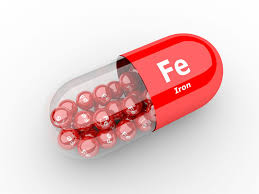
Iron for the four in ten African women and children living with anemia. Vitamin D in a sunlit continent where deficiency is still common. And a shelf full of products that will do nothing for a healthy adult eating well. Here is how to tell which is which.

Medically reviewed content · Available in 8 languages · Afiya now used in 31 countries

Over 40%

Of pregnant women and children under five in sub-Saharan Africa are anemic, with iron deficiency the leading cause. This is where supplementation genuinely saves lives.

Little benefit

For healthy adults eating a balanced diet, multivitamins show little proof of preventing major disease. The evidence does not support the habit for most people.

500 mg

The maximum calcium your body absorbs well in a single dose. Take larger daily requirements split across the day rather than in one tablet.

More is not better: where supplements do harm

  • Vitamin A in excess is toxic, and the risk is highest in children
  • Iron overdose causes constipation and nausea, and rarely iron overload
  • Calcium taken far above requirement brings its own risks, not stronger bones
  • Sports supplements are frequently adulterated with substances not on the label
  • Any supplement can interfere with prescription medicines you are already taking
  • In children supplements can mask malnutrition rather than treat it

Fake and low quality supplements are common across African markets. Buy from a registered pharmacy, check certification, and treat a supplement as seriously as you would a prescription medicine, because your body does.

Who actually needs a supplement

Supplementation is a clinical decision, not a lifestyle default. These are the groups where the evidence genuinely supports it.

Pregnant and breastfeeding

Folic acid, iron and calcium requirements rise beyond what diet alone reliably provides, and the consequences of deficiency fall on two people.

Older adults

Vitamin D, calcium and B12 absorption all decline with age, while bone loss accelerates. Requirements rise to 1,200 mg calcium for women over 50 and men over 70.

Restrictive diets

Vegan and heavily limited diets commonly fall short on B12 and iron, neither of which the body can improvise.

Malabsorption conditions

Coeliac disease, inflammatory bowel disease and post-surgical states prevent normal nutrient uptake regardless of how well someone eats.

For a healthy adult eating a varied diet, none of the above applies, and a daily multivitamin is more likely to help the manufacturer than the buyer.

Buying and using supplements well

Practical, evidence based steps drawn from our clinical library.

Food first, always

Supplements fill gaps that food cannot close. They are not a shortcut around a poor diet, and treating them as one is how people end up worse off.

Test before you treat

Do not guess at deficiency. A blood test for iron, vitamin D or B12 costs far less than a year of the wrong supplement, and tells you whether you need one at all.

Split calcium doses

Absorption caps out around 500 mg at a time. Take calcium carbonate with food and calcium citrate on an empty stomach, spread across the day.

Pair calcium with vitamin D

Your body cannot absorb calcium properly without it, which is why bone health in urban Africa is a vitamin D story as much as a calcium one.

Check certification

Counterfeit and low quality supplements circulate widely. Buy from a registered pharmacy and look for NAFDAC registration on the pack.

Declare them to your prescriber

Supplements interact with prescription medicines. List them alongside your tablets so your doctor and pharmacist can see the whole picture.

Not sure whether you need it, or whether it is real?

Our pharmacists will tell you honestly, including when the answer is that you do not need it. We can also check a pack for NAFDAC registration and flag interactions with your current medicines. Afiya, our AI health companion, is available any time in your own language.

Want supplements you can trust, delivered? Order from HubPharm Africa

Get The HealthCoach Brief

Weekly health insight, medically reviewed, plus grants and opportunities across Africa.

The information on this page is for educational purposes only and is not a substitute for professional medical advice, diagnosis or treatment. Supplements are not regulated to the same standard as prescription medicines, and doses that are safe for one person may be harmful for another, particularly in children, in pregnancy, and in people with liver or kidney disease. Never use a supplement in place of a prescribed medicine, and speak to a qualified doctor or pharmacist before starting one, especially if you already take regular medication. If you develop severe abdominal pain, vomiting, yellowing of the eyes or skin, or difficulty breathing after taking any supplement, stop it and seek urgent medical care or call 112.