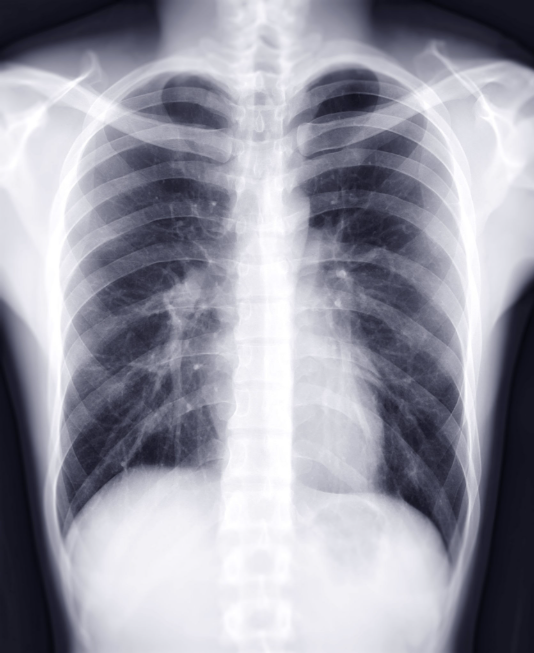
NAIROBI, KENYA — Moving artificial intelligence directly to the front door of routine tuberculosis diagnosis, kenya bets on ai tools to identify missing patients across all 43 counties. The Ministry of Health is actively rolling out 80 ultra-portable digital chest X-ray units fitted with specialized computer-aided detection (CAD) software, under a major public health programme supported by the Global Fund.
The country presented the national rollout at a high-level United Nations General Assembly side event titled “Reimagining the Future of Healthcare with AI” in New York. Public Health Principal Secretary Mary Muthoni described Kenya’s experience in integrating automated screening tools into routine health services to strengthen early disease detection and expand diagnostic access across underserved communities.
First flagged off to counties in October 2025, the technology is now roughly a year into routine use across diverse settings. The portable units are currently operational in Nakuru and Turkana counties—two vastly different environments representing busy urban agricultural hubs and remote, sparsely populated pastoralist regions where specialist medical services are miles apart.
How Kenya Bets on AI Chest X-Rays for Rapid Diagnostics
As kenya bets on ai solutions to streamline field diagnostics, health workers utilize automated triage software to overcome acute specialist shortages in rural clinics:
Diagnostic Step
Traditional Clinical Workflow
AI-Supported Portable Workflow
Primary Triage
Requires human radiologist evaluation in major urban hospitals.
CAD software analyzes digital chest images on-site within minutes.
Symptom Coverage
Relies heavily on patient-reported chronic cough symptoms.
Identifies subtle lung abnormalities in non-coughing patients.
Confirmatory Testing
Multi-day delays waiting for physical film reads by specialists.
High-risk patients proceed immediately to GeneXpert molecular testing.
Mobility & Reach
Restricted to centralized tertiary and regional hospitals.
Portable units reach remote markets, schools, and pastoralist camps.
Overcoming Radiologist Shortages and Detecting Missing Patients
Because kenya bets on ai software to decentralize primary healthcare, CAD technology shifts the first film read away from scarce urban radiologists directly to local nurses and clinical officers. A health worker captures a digital image on a lightweight machine, and the software generates an automated risk assessment within minutes. Patients flagged as high risk are prioritized immediately for confirmatory molecular testing on GeneXpert or TrueNat platforms, rather than waiting days for a specialist film review.
This portable AI screening particularly benefits individuals who do not present with conventional symptoms. While standard symptom questionnaires consistently miss non-coughing individuals, portable chest X-rays catch them early in outreach camps, markets, schools, prisons, and remote pastoralist settlements, bringing the diagnostic test directly to populations who would otherwise never reach a hospital.
Key Operational Challenges and Strategic Supply Chain Considerations
While kenya bets on ai chest X-ray rollouts to modernize national screening, four operational questions will determine whether the investment translates into cured patients. The first is software thresholds: setting the referral score too low floods laboratories with false positives, while setting it too high misses active cases.
The second critical factor is the confirmatory testing chain: screening more people only helps if GeneXpert and TrueNat test cartridges, sample transport networks, and result reporting systems keep pace without creating laboratory backlogs.
The third challenge involves equipment maintenance and power supply. Portable units traveling over rough rural roads require continuous servicing, spare parts, and reliable charging systems to prevent equipment from sitting idle.
Finally, effective data governance is essential. AI screening generates valuable images and risk scores that can strengthen national epidemiological surveillance, provided data flows smoothly into national health reporting systems under clear privacy regulations.
Strategic Lessons for High-Burden African Nations
For countries like Nigeria, which carries the largest tuberculosis burden in Africa according to WHO estimates, the Kenyan model offers a practical, scalable public health template. The combination of portable imaging, software triage, and rapid molecular confirmation represents an internationally recommended approach that can be procured, deployed, and measured at scale.
The primary differentiator remains execution: funding ongoing maintenance, calibrating risk thresholds for local populations, securing reliable diagnostic cartridge supplies, and maintaining a transparent data system that tells health managers exactly where missing patients are.
Ultimately, artificial intelligence does not cure tuberculosis—it finds people faster. The true public health value of AI technology depends entirely on the strength of the laboratory, supply chain, and clinical treatment systems operating behind it.
Why It Matters: AI finds missing tuberculosis patients faster in remote communities, but true public health impact depends on maintaining well-stocked laboratory supply chains, equipment maintenance, and uninterrupted treatment completion.
Please follow and like us:
Post Views:46
Related Posts:
Kenya Deploys 80 AI Portable X-Ray Units to Catch… NAIROBI, KENYA — Under a new public health expansion strategy, kenya deploys ai portable x-ray units across all 47 counties to enhance early detection of tuberculosis (TB) in remote and high-risk communities. Speaking at a…
RADIOGRAPHER AT LAGOS STATE MINISTRY OF HEALTH (LSMOH) The Lagos State Ministry of Health (LSMoH) is a Principal Recipient (PR) of the Global Fund grant with the overarching objective of accelerating TB case notification in the state. As the Principal Recipient, the…
Kenya Mpox Cases Surge Across Forty Counties NAIROBI, KENYA — Kenya has confirmed 1,298 Mpox cases with 19 deaths across 40 counties as of 6 September 2026. The Kenya Mpox cases surge has prompted the Ministry of Health to strengthen disease surveillance…
Kenya Tracks 1,309 Mpox Cases Across 40 Counties NAIROBI, KENYA — Kenya is actively tracking 1,309 confirmed Mpox cases with 19 associated deaths across 40 counties as of September 12, 2026, driving a comprehensive mpox outbreak response alongside simultaneous surveillance of 469 measles…