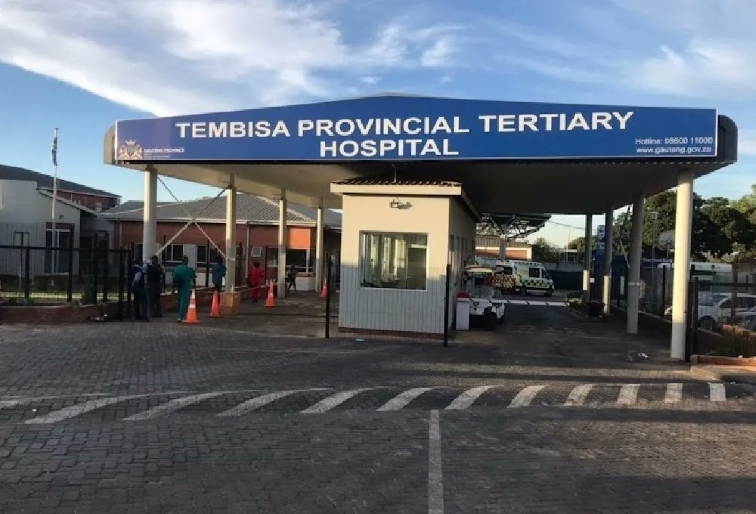
Two more suspects linked to the R635 million Tembisa Hospital corruption scandal handed themselves over to police in Gauteng on Tuesday morning, 17 November, Scrolla reported, citing police and the Special Investigating Unit (SIU).
The suspects, who were not named, turned themselves in at Tembisa Police Station and are expected to appear before the Palm Ridge Specialised Commercial Crimes Court on charges of fraud, corruption and money laundering, according to the report.
How the Tembisa Hospital corruption scandal worked
Police believe the suspects are part of a network of hospital officials and suppliers that manipulated the procurement system, Scrolla reported. Investigators say officials and service providers split large purchases into transactions worth less than R500,000 each to avoid formal tender processes, channelling millions of rands through the hospital’s procurement system.
The investigation also covers forgery, the use of forged documents and breaches of the Public Finance Management Act. In total, it is examining more than R2 billion in Tembisa Hospital contracts, according to the report.
Earlier arrests and SIU findings
Businessman Joel Govindraju, 37, was arrested in August and is accused of benefiting from more than R600 million in hospital tenders. He was released on R200,000 bail, Scrolla reported.
The SIU identified Govindraju as one of three alleged masterminds whose companies benefited from irregular contracts between 2020 and 2023. It found that 75 companies linked to him received 1,237 tenders over three years and that he made payments of about R100 million to 12 hospital officials, which investigators suspect may have been bribes, according to the report.
SIU spokesperson Selby Makgotho said assets with “a combined value of approximately R150 million” had so far been linked to Govindraju. Two other businessmen, Hangwani Maumela and Rudolf Mazibuko, are accused of benefiting from almost R1 billion and nearly R300 million in hospital contracts respectively; the report did not say whether either has been charged.
All suspects are presumed innocent until proven guilty in court.
The case is one of the largest corruption investigations involving a single public hospital in South Africa. The size of the alleged losses compared with the hospital’s budget has made the Tembisa Hospital corruption scandal a test case for accountability in the public health system.
What corruption costs patients
As general background, Tembisa Hospital is a large public hospital serving densely populated communities in Ekurhuleni, Gauteng. Money lost to procurement fraud is money not spent on medicines, equipment, staff and maintenance.
South Africa’s public health system already faces shortages of some essential medicines, long waiting times and staff shortages. Corruption in procurement can worsen these problems by inflating prices, diverting funds and allowing poor-quality goods into hospitals, which can affect the safety of patients.
Gauteng’s health department has faced repeated criticism over procurement, including during the COVID-19 pandemic, when contracts for personal protective equipment were investigated by the SIU. As general background, the Tembisa Hospital corruption scandal has added to pressure for reforms to how provincial hospitals buy goods and services.
The scandal drew national attention after Tembisa Hospital financial official Babita Deokaran, who had flagged suspicious payments, was killed in 2021, a case that has become a symbol of the risks faced by whistle-blowers in South Africa.
Several people have been convicted over her killing, and her family and civil society groups have continued to call for those who benefited from the alleged fraud to be held accountable.
Strengthening procurement controls
Splitting purchases to stay below tender thresholds is a well-known way to avoid oversight. As general background, experts recommend digital procurement systems that flag repeated small purchases from the same suppliers, regular audits and protection for whistle-blowers.
Transparency also helps. Publishing contract awards, prices and suppliers allows journalists, civil society and competitors to spot irregular patterns. Hospital managers and boards that understand procurement rules can also act as a first line of defence.
Recovering assets is a further step. The SIU can approach the Special Tribunal to set aside irregular contracts and recover money, which can then be returned to the health budget.
The next court appearances will show how quickly the case can move from arrests to trial.
The SIU welcomed the latest arrests as investigations continue into how hospital funds reached private businesses, Scrolla reported. The progress of the Tembisa Hospital corruption scandal prosecutions will be watched closely as a test of South Africa’s ability to recover public health funds and hold those responsible to account.
Why it matters: Money stolen from hospital budgets means fewer medicines, staff and equipment for patients who depend on South Africa’s public health system.
South African Court Sets Aside Major Awards in R15.5… PRETORIA, SOUTH AFRICA — In a landmark judicial ruling on public health procurement integrity, a south african court sets aside the largest allocations of the National Department of Health’s R15.5 billion antiretroviral (ARV) tender following…
South Africa Asks SIU to Probe R182 Million NHI… PRETORIA, SOUTH AFRICA — Escalating public debate surrounding public health governance, south africa probes nhi advertising contracts following serious allegations that funds intended for HIV, tuberculosis, and child nutrition were redirected to pay for National…
Nutrition During Cancer Treatment: What to Eat and Why Cancer and its treatment place heavy demands on the body. Chemotherapy, radiotherapy and surgery all increase your need for energy and protein, while side effects such as nausea and mouth sores make eating harder. Good…
Diabetes in Nigeria: Why Blood Sugar Control Fails Diabetes in Nigeria does not usually fail in the clinic. Among people who reach a specialist and stay in care, control is often reasonable. It fails in the years before anyone tests you, and it…