KIGALI, RWANDA — Young Rwandans living with diabetes have called for more support with the cost of care, saying stigma, school disruption and financial barriers have shaped their lives, The New Times reported on 16 November after a World Diabetes Day event in Kigali.
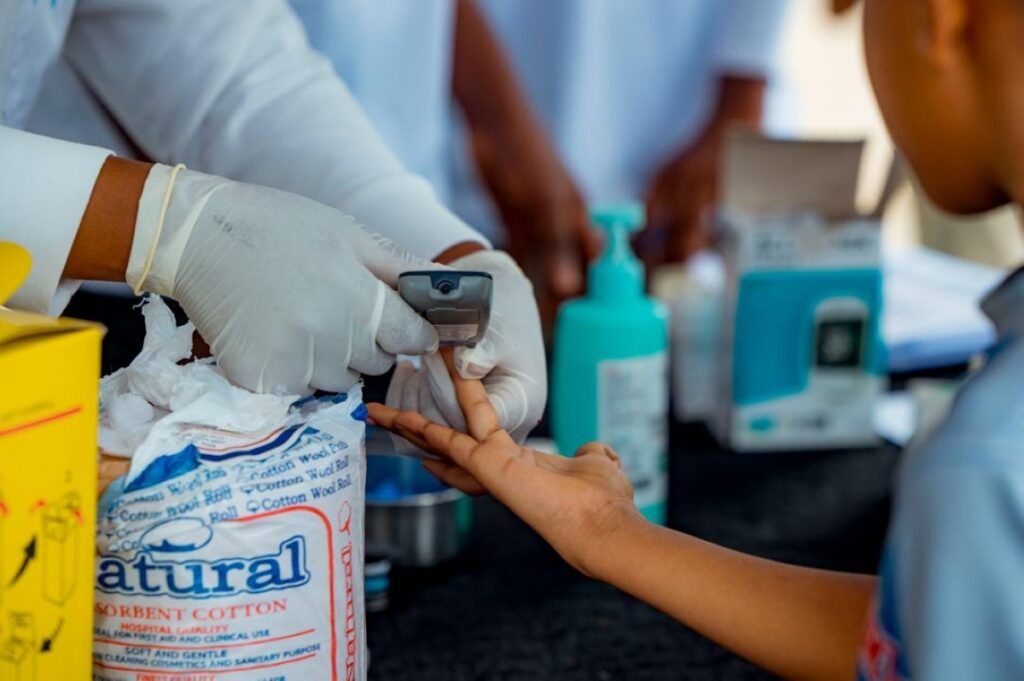
The event, held at Zaria Court on Saturday, 14 November, brought together people supported by the Geraldine Trada (GT) Foundation, which helps Rwandans living with diabetes with education, daily living expenses and medication.
Stories of Rwandans living with diabetes
Gisele Uwera was diagnosed at 11 after months of illness, a coma and three months in hospital, and had to suspend her primary school studies. She said she went through a period of deep despair before finding support. “I regained hope when I came here and saw other people, including children, living with diabetes,” she said. Now 21, she manages her condition with medication, diet and medical advice.
“Diabetes does not mean that you are going to die. You need to learn to live with it,” Uwera said.
Damien Sibomana, from Kayumbu Sector in Kamonyi District, was diagnosed after being transferred from a health centre to a hospital with excessive thirst, frequent urination and tingling. His family worried about his future. “Having diabetes does not mean that your life is over,” he said.
Arnold M. Hirwa was diagnosed in 2014 as he began secondary school, and stopped boarding because school meals did not suit his dietary needs. “People around you need to know about your condition because they can support you,” he said.
Denise Mukanambajimana, from Jari Sector in Gasabo District, was diagnosed in 2009 at 15. The illness affected her mobility and schooling. She links her kidney problems to financial barriers to regular care and wants more support for low-income patients, including free care through the community-based health insurance scheme, The New Times reported.
Support from the GT Foundation
The GT Foundation currently supports 20 people, the report said. Foundation representative Benny Isabane said 12 beneficiaries receive help with medication and other daily needs, and that the foundation is considering income-generating projects to promote financial independence. “We are now receiving their ideas so that we can support them in projects that will help them develop,” he said.
Ntirenganya Alphonse, a noncommunicable disease nurse at Kagugu Health Centre, explained that children commonly develop type 1 diabetes, which requires insulin, and that they need emotional support as well as medical care. Complications can include kidney damage, eye problems and stroke, he said.
Symptoms of diabetes include excessive thirst, frequent urination, fatigue and unexplained weight loss, Ntirenganya said, and people with these symptoms should be tested.
The challenge of type 1 diabetes in Africa
As general background, type 1 diabetes occurs when the immune system destroys the insulin-producing cells of the pancreas. People with type 1 diabetes need insulin every day for life, along with blood glucose monitoring. Without insulin, the condition is fatal.
In many African countries, children with type 1 diabetes are diagnosed late, often only after they collapse with diabetic ketoacidosis, a life-threatening emergency. Symptoms such as thirst, frequent urination, weight loss and tiredness are easily missed.
The cost of insulin, syringes, glucose meters and test strips is a major burden for families. Control of blood sugar is difficult without regular monitoring, as HealthCoach Africa has explored in its reporting on why blood sugar control fails.
Rwanda’s community-based health insurance scheme, Mutuelle de Santé, covers most of the population and has expanded access to primary care. As general background, coverage of long-term costs such as test strips and continuous monitoring is more limited, which is why Rwandans living with diabetes and their families still face out-of-pocket costs.
Beyond medicine
The stories shared by Rwandans living with diabetes show that psychological and social support matter as much as medicines. Peer groups help young people accept their diagnosis, learn to manage their condition and talk openly with family, teachers and friends.
Mental health support is also important. Living with a lifelong condition can cause anxiety, low mood and isolation, particularly for young people diagnosed in childhood. Health workers advise families to watch for signs of distress and seek help early.
Schools also play a role by allowing students to eat appropriate meals, take insulin and check blood sugar during the day. Advocates say wider insurance cover for insulin and supplies would help families like those who shared their experiences.
Why it matters: Young people with type 1 diabetes need lifelong insulin and support, and cost barriers can lead to avoidable complications such as kidney damage.
Diabetes in Nigeria: Why Blood Sugar Control Fails Diabetes in Nigeria does not usually fail in the clinic. Among people who reach a specialist and stay in care, control is often reasonable. It fails in the years before anyone tests you, and it…
Newly Diagnosed With Breast Cancer? Your First 30 Days Guide If you have just been newly diagnosed with breast cancer, start here. You do not need to understand everything today. You need to know what to do next, and in what order. This guide breaks…
ADHD Signs in Children: Understanding Restless and… Every child is restless and distracted sometimes. But some children find it much harder than others to sit still, focus and control their impulses. They may be labelled stubborn, troublesome or lazy, and punished again…
Tramadol and Codeine Addiction: Signs, Dangers and… Tramadol and codeine are opioid medicines used to relieve pain and, in the case of codeine, to suppress coughs. Used correctly for a short time, they are helpful. However, misuse has become a serious problem…