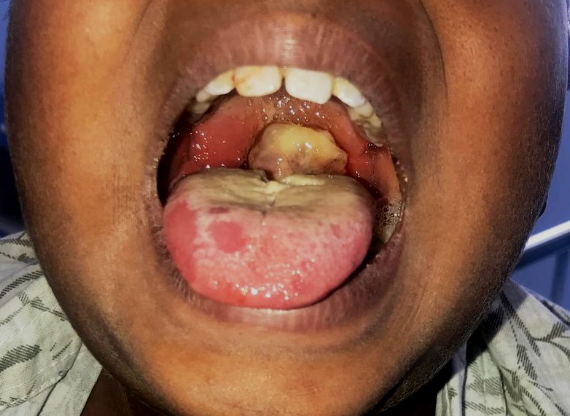
PLATEAU STATE, NIGERIA — Plateau State is confronting a critical diphtheria epidemic, recording 148 suspected cases and 25 deaths as of early September 2026. This surge highlights severe immunisation gaps across northern regions, driving a broader nigeria diphtheria immunisation epidemic. The outbreak spans eight states—including Kano, Katsina, Kaduna, Borno, Bauchi, Sokoto, and Zamfara—which collectively account for 98 percent of confirmed cases nationwide. Unvaccinated individuals make up roughly 68 percent of confirmed cases, demonstrating the vulnerability caused by low routine coverage.
With national diphtheria vaccination coverage at just 60 percent, approximately 87 million Nigerians remain susceptible to infection. Zamfara State has borne the highest burden, reporting 44 confirmed deaths and 367 suspected cases. In response to rising transmission, authorities in Plateau State have closed schools and deployed emergency containment measures. Public health authority Dr. Pat Onukwuli noted that the crisis stems from administrative failures rather than a lack of preventive tools.
Addressing the Nigeria Diphtheria Immunisation Epidemic Through Emergency Reforms
Containing the nigeria diphtheria immunisation epidemic requires swift structural and administrative overhaul. Public health experts advocate for ward-by-ward mapping to locate unvaccinated children, deploying mobile vaccination units to remote settlements, and engaging traditional leaders to bolster community participation. Additionally, catch-up vaccination campaigns must prioritize highly vulnerable age groups to build population-wide immunity.
However, healthcare facilities continue to face major operational bottlenecks, including shortages of diphtheria antitoxin, inadequate isolation capacity for severe cases, and limited laboratory diagnostic infrastructure. To curb secondary transmission in densely populated urban centers, state and federal agencies must secure equitable vaccine access, remove out-of-pocket financial barriers, and strengthen cold chain storage networks.
Why It Matters: Diphtheria outbreaks in Nigeria reflect preventable health system failures, requiring urgent immunisation acceleration and a coordinated federal-state response to protect unvaccinated populations.
UNFPA Supports Treatment of 104 VVF Patients in Kaduna The United Nations Population Fund (UNFPA) has provided crucial support for the treatment of 104 patients suffering from Vesico Vaginal Fistula (VVF) in Kaduna State. VVF, also known as obstetric fistula, is a distressing condition…
Nigeria Activates Task Force as Diphtheria Outbreak… Abuja, Nigeria — Nigeria's federal government has activated an emergency multi-agency task force to contain a diphtheria outbreak affecting children in Katsina and Kano states, and has deployed 500,000 doses of diphtheria vaccine to the…
Diphtheria Outbreak Escalates in Nigeria: Over 6,000… An alarming diphtheria outbreak is relentlessly sweeping through Nigeria, leaving thousands infected and hundreds of lives lost, according to Médecins Sans Frontières (MSF), commonly known as Doctors Without Borders. The international medical humanitarian organization issued…
Nigeria's Struggle to Contain Severe Diphtheria Outbreak Northern Nigeria grapples with a harrowing diphtheria outbreak, the most devastating in the nation's history, as hundreds of lives succumb to this perilous disease since the year began. Among the afflicted, a 10-year-old girl lies…