ABUJA, NIGERIA — Nigeria records up to 9,000 new cases of end-stage kidney failure every month, driven primarily by unmanaged hypertension, diabetes, excessive alcohol consumption, and the indiscriminate use of analgesics. Speaking at the 15th anniversary of Wellington Neurology and Neurosurgery Hospital in Abuja, Dr. Charles Ugwuanyi, Consultant Neurosurgeon and Chief Executive Officer, warned that rising kidney failure cases in nigeria present a severe, under-recognized public health crisis.
Addressing health journalists, Dr. Ugwuanyi emphasized that out-of-pocket costs for renal replacement therapy leave thousands of families destitute. He also noted that medical outbound tourism continues to drain over $2 billion annually from Nigeria’s economy due to healthcare infrastructure deficits.
Clinical Benchmarks and Kidney Failure Cases in Nigeria
Disclosures provided by neurosurgical leadership and private hospital administrators outline national renal care statistics and operational parameters:
Health Indicator Category
National Metrics & Hospital Benchmarks
Monthly End-Stage Renal Failure Rate
Up to 9,000 new cases monthly nationwide (expert estimate)
>$2 billion lost annually to medical outbound tourism
Wellington Hospital Care Metrics
4,657 total surgeries (2,150 brain / 2,307 spine) since 2011
Technical Mechanics of Renal Injury and NSAID Nephrotoxicity
Understanding the physiological drivers behind kidney failure cases in nigeria highlights key biochemical mechanisms of nephrotoxicity:
NSAID-Induced Renal Ischemia: Non-Steroidal Anti-Inflammatory Drugs (NSAIDs) such as ibuprofen, indomethacin, and naproxen inhibit renal prostaglandin synthesis, causing acute vasoconstriction of afferent arterioles and reduced glomerular filtration.
Hypertensive Nephrosclerosis: Prolonged, uncontrolled high blood pressure causes luminal narrowing of renal arterioles, leading to chronic ischemic injury, glomerulosclerosis, and permanent nephron loss.
Diabetic Nephropathy Glomerular Damage: Hyperglycemia accelerates advanced glycation end-product formation, damaging the glomerular filtration barrier and causing progressive proteinuria and renal decay.
Dialysis Barriers, Out-of-Pocket Expenses, and Power Infrastructure
End-stage renal disease (ESRD) requires permanent dialysis maintenance—typically two to three sessions weekly—or a kidney transplant. In Nigeria, where a single hemodialysis session costs tens of thousands of naira, the overwhelming majority of patients pay out of pocket, causing high rates of treatment abandonment and premature mortality.
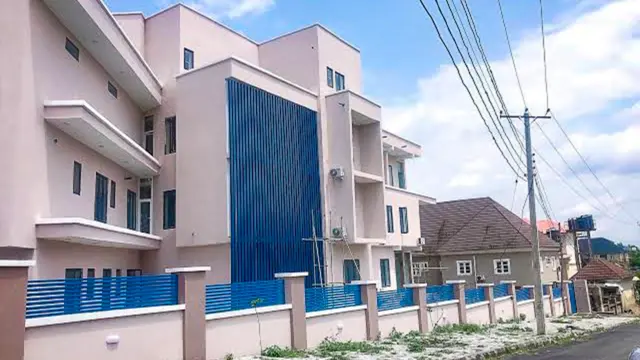
While public tertiary institutions like the University of Jos Teaching Hospital (JUTH) are attempting to expand transplant access, equipment availability remains constrained. Demonstrating sustainable operational models, Wellington Hospital operates seven dialysis suites and six operating rooms using continuous solar power, achieving 120 consecutive days without grid power interruptions.
Primary Prevention, Pharmacovigilance, and Early Screening
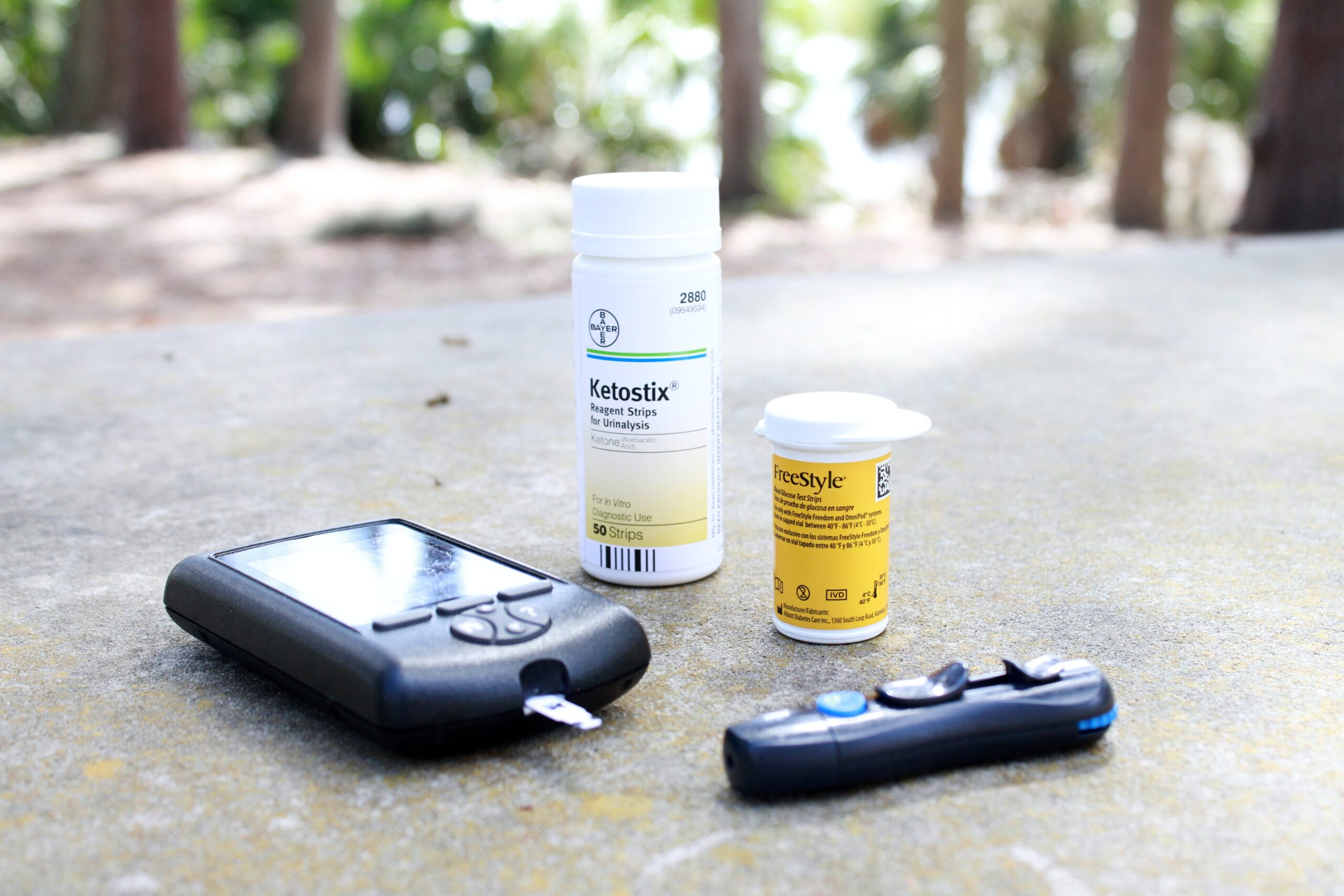
Medical experts stress that primary prevention and routine screening are far more cost-effective than managing end-stage kidney damage. Simple, low-cost diagnostic tests—including blood pressure checks, fasting blood glucose tests, urine protein dipsticks, and serum creatinine measurements—can detect early kidney injury before irreversible damage occurs.
Pharmacists and primary care providers must strengthen community education regarding drug safety, advising against chronic over-the-counter painkiller use and unregulated herbal concoctions. Establishing annual kidney function checks for hypertensive and diabetic patients remains essential to halting the surge of preventable renal failure across Nigeria.
Why It Matters: Kidney failure is largely preventable through hypertension and diabetes management; expanding routine screening and regulating painkiller usage is critical since long-term dialysis remains financially out of reach for most Nigerians.
Nigeria Reclaims Lead in Medical Tourism in Africa Lagos, Nigeria — Nigeria has reclaimed its position as Africa’s leading destination for medical tourism, according to new reports highlighting the country’s growing healthcare investments, world-class hospitals, and renewed government-private sector partnerships. This marks a…
Chronic Kidney Disease in Nigeria: What you need to know Chronic Kidney Disease (CKD) is increasingly becoming one of the most pressing public health challenges in Nigeria. Often linked with hypertension, diabetes, and lifestyle changes, CKD is a long-term condition in which the kidneys gradually…
Understanding Diabetes: Causes, Symptoms,… Diabetes, often referred to as diabetes mellitus, is a chronic medical condition that affects millions of people worldwide. It is characterized by high levels of blood glucose (blood sugar) resulting from defects in insulin production,…
Kidney Disease Warning Signs You Should Never Ignore Your kidneys filter your entire blood supply many times a day. They remove waste, balance fluid and help to control blood pressure. They can also lose most of their function before you feel anything. Community…