PRETORIA, SOUTH AFRICA — In a landmark judicial ruling on public health procurement integrity, a south african court sets aside the largest allocations of the National Department of Health’s R15.5 billion antiretroviral (ARV) tender following significant administrative irregularities. Acting Judge Graham Girdwood of the Gauteng Division of the High Court in Pretoria declared the awards for fixed-dose combination ARVs—valued at R12.6 billion—unlawful and unconstitutional, directing federal health authorities to re-evaluate affected line items within 120 days.
The court challenge, initiated by pharmaceutical manufacturer Cipla Medpro and joined by Hetero Drugs, addressed procurement flaws involving expired manufacturing licenses, unverified empowerment claims, and past supplier non-performance across South Africa’s public health supply chain.
Operational Benchmarks for South African Court Sets
Data compiled from High Court judgment records and National Department of Health tender documentation detail the scope of the invalidated contracts:
Tender & Legal Category
Public Health & Judicial Benchmarks
Total Tender Valuation
R15.5 billion aggregate contract value (effective December 2025)
Invalidated Contract Portion
R12.6 billion covering 1-month and 3-month fixed-dose ARV packs
Court-Ordered Re-Evaluation
Department of Health ordered to redo awards within 120 calendar days
Supply Continuity Safeguard
Ruling suspended; current suppliers must deliver for 90 days post-award
Technical Mechanics: South African Court Sets
Understanding the legal and logistical implications behind why a south african court sets aside multi-billion rand pharmaceutical awards highlights core health security and administrative governance principles:
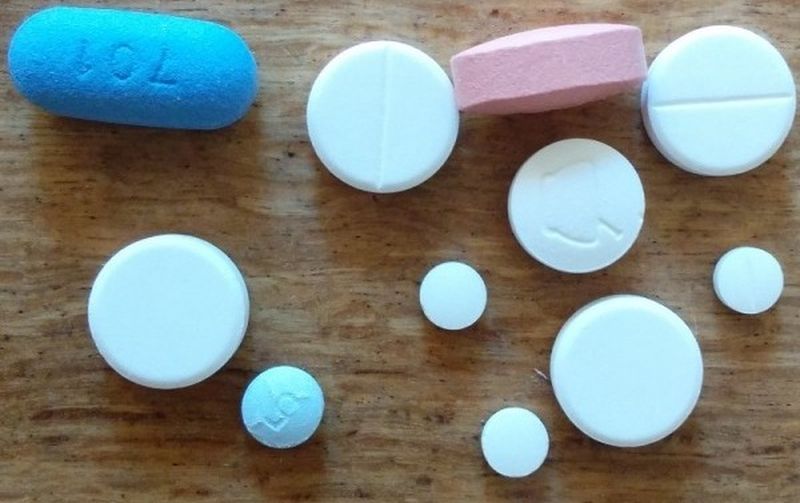
Protecting First-Line ARV Supply Chains: The disputed fixed-dose combination—comprising tenofovir, lamivudine, and dolutegravir (TLD)—serves as the primary first-line regimen for millions of adults living with HIV in South Africa. To prevent treatment disruptions and viral drug resistance caused by therapy interruptions, the court delayed the execution of its order, requiring existing suppliers to maintain distribution until new contracts are finalized.
Manufacturing Licensing and Qualification Rigor: The court ruled that Innovata Pharmaceuticals and Viatris Healthcare failed basic pre-qualification criteria because neither entity possessed a valid South African Health Products Regulatory Authority (SAHPRA) manufacturing license for their Isando facility at bid closure. The judge confirmed that an expired license cannot constitute valid documentation during tender evaluation.
Evaluating Past Supplier Performance Risks: The judgment established that formal debarment is not a prerequisite for assessing supply risk. Bidders with documented histories of contractual default—such as failing to deliver required stock volumes under prior state agreements—must be evaluated accordingly during procurement scoring to safeguard national medicine security.
Collusion Inquiries, Disadvantaged Ownership, and Legal Costs
The High Court identified significant irregularities in ownership claims, directing the department to adjust scores for Innovata and Barrs Pharmaceuticals after both subsidiaries failed to substantiate historically disadvantaged ownership points. Furthermore, the court instructed health authorities to investigate potential collusive bidding practices between Innovata and Barrs, both of which entered business rescue shortly after contract commencement.
While Hetero Drugs’ application was dismissed—with the court imposing punitive costs after noting reasonable suspicion of collusive practices—the Minister of Health and Director-General were ordered to pay Cipla’s legal costs for uncovering procurement non-compliance.
Public Health Security, ARV Supply Continuity, and Sector Outlook
South Africa manages the world’s largest public HIV treatment program, making reliable, uninterrupted ARV procurement a vital component of national health security. Failing to maintain strict procurement standards risks widespread drug stock-outs at primary care clinics, exposing patients to treatment failure and secondary viral transmission.
As the National Department of Health reviews the court’s order to determine whether to launch an appeal or proceed with a 120-day tender re-evaluation, maintaining strict regulatory compliance remains essential as a south african court sets a legal precedent for sovereign health procurement across the continent.
Why It Matters: Awarding major ARV contracts to unqualified or non-performing suppliers risks widespread medicine stock-outs for millions on lifelong therapy, proving that rigorous procurement integrity is directly tied to patient survival.
MPs Grill Motsoaledi Over ARV Tender as Medicine… CAPE TOWN, SOUTH AFRICA, Members of Parliament have accused Health Minister Aaron Motsoaledi of failing to act against officials linked to the South Africa ARV tender, a R15 billion antiretroviral contract set aside by the High…
Gauteng Medical Officer Vacancy 2026: Psychiatry… A Gauteng Medical Officer vacancy in psychiatry is open with the Gauteng Department of Health, at Grade 1 to 3. The post is based in Gauteng Health facilities affiliated to the University of the Witwatersrand…
NAFDAC Warns Imo Medicine Dealers Against Fake,… OWERRI, NIGERIA — The National Agency for Food and Drug Administration and Control (NAFDAC) has warned NAFDAC Imo medicine dealers against selling counterfeit, expired and unregistered drugs, saying violators face closure, forfeiture of products and…
Motsoaledi Urges Doctors to Prescribe Alternatives… JOHANNESBURG, SOUTH AFRICA — South Africa medicine shortages have prompted Health Minister Dr Aaron Motsoaledi to urge doctors to prescribe alternative medicines when usual treatments are unavailable, TimesLIVE reported on 19 November. Speaking to Newzroom…