PRETORIA, SOUTH AFRICA — A group of leading South African scientists has rejected Water and Sanitation Minister Pemmy Majodina’s view that the Bronkhorstspruit gastrointestinal illness cases do not amount to an outbreak, saying “this is an outbreak, by any scientific measure”, in an opinion article in Daily Maverick on 28 October.
As of 26 October, 833 people had sought medical treatment for illness linked to Bronkhorstspruit’s water supply, including 328 children aged four or younger, according to the article by the Independent Science Reference Group, whose members include vaccinologist Prof Shabir Madhi and Prof Lucille Blumberg.
Other signatories include Prof Francois Venter, Prof Glenda Gray, Prof Fareed Abdullah, Prof Guy Richards and Dr Aslam Dasoo, according to the article.
The dispute over Bronkhorstspruit gastrointestinal illness cases
Majodina had said on 26 October: “I’m still firm that there’s no outbreak. There’s no death. There is no one that is critical.” Daily Maverick reported that the minister made the remarks while visiting Bronkhorstspruit District Hospital with Deputy President Paul Mashatile, and said three patients remained in hospital and none had stayed longer than three days. “They came to the hospital because they were dehydrated,” the minister said.
The scientists said an outbreak is defined as “an occurrence of disease above the expected level in a particular population, place and period”, regardless of whether anyone has died. By that definition, they argued, the Bronkhorstspruit gastrointestinal illness cases clearly qualify.
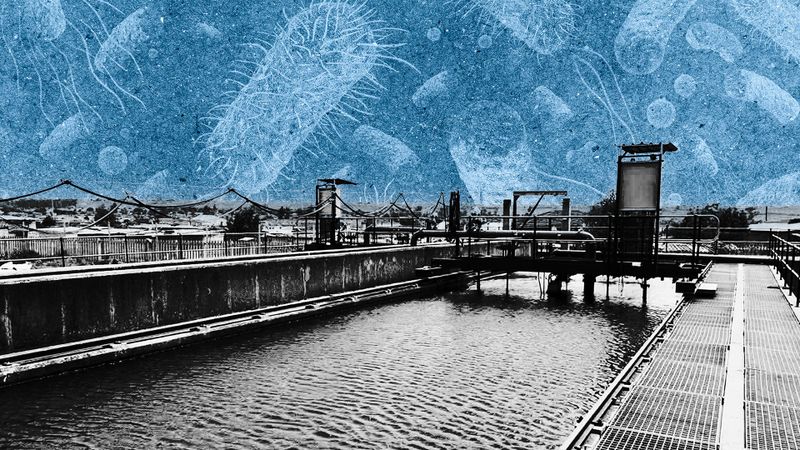
They said chlorination at the water treatment works had been interrupted for weeks because local government failed to maintain chlorine supplies. Daily Maverick reported that the plant had not used chlorine for weeks because of tender problems. About 40 per cent of patients were aged four or younger, the report said.
A national pattern of water failures
The scientists linked the crisis to wider failures. They said the Rooiwal wastewater treatment plant had deteriorated for more than two decades and had effectively broken down by 2011, and that a 2023 cholera outbreak in Hammanskraal caused deaths. The June 2023 Blue Drop Watch Report found 50 per cent of sampled municipalities had bad or poor microbiological water quality, up from 10 per cent in 2012, and the full 2023 report found only 26 of 958 water supply systems qualified for certification.
Hammanskraal, where the 2023 cholera outbreak occurred, lies in the same City of Tshwane metropolitan municipality as Bronkhorstspruit, and was one of several water and sanitation failures the scientists cited in their article.
The scientists said a botched 2019 tender had prolonged problems at the Rooiwal plant. They also noted that the full 2023 Blue Drop Report found 46 per cent of water supply systems did not comply with microbiological standards, and that 63 water services authorities with critical systems had been issued non-compliance letters requiring corrective action plans.
The definition matters because declaring an outbreak can trigger formal investigation, active case finding, laboratory testing to identify the pathogen and public reporting. Downplaying the Bronkhorstspruit gastrointestinal illness cases risks slowing those steps, even if most people recover. Young children are especially vulnerable to dehydration from diarrhoea and vomiting.
Residents are relying on water tankers while Rand Water works to restore safe supply at the plant, a process officials said would take several weeks. Tshwane’s mayor has ordered an investigation into why chlorine was not added. Daily Maverick reported that officials pointed to infrastructure failures and residents’ water use, and gave no firm timeline for restoring a safe piped supply.
Rand Water is leading a team at the Bronkhorstspruit plant, where four pumps have been installed and chlorine stock is sufficient for six to seven weeks, the government news agency SAnews reported on 26 October. Deputy President Paul Mashatile said Rand Water would take a few weeks to resolve the problem, and officials put the national cost of repairing ageing water infrastructure at R400 billion or more.
Public health experts generally advise that during suspected waterborne outbreaks, residents should boil or treat drinking water, use oral rehydration solution for diarrhoea, and seek urgent care for signs of severe dehydration such as very little urine, dizziness or drowsiness, particularly in infants. With about 40 per cent of the Bronkhorstspruit gastrointestinal illness cases among children aged four or younger, those precautions are especially important for parents and caregivers.
The dispute comes days before municipal elections on 4 November, and the Tshwane mayor has warned parties against using the crisis for campaigning. Health authorities had not published laboratory results identifying the pathogen behind the Bronkhorstspruit gastrointestinal illness cases at the time of the reports.
Why it matters: Calling a disease cluster an outbreak triggers investigation and protection; downplaying it risks slower action as children fall sick.
Contaminated Water Sickens 833 in South Africa’s… PRETORIA, SOUTH AFRICA — As contaminated water sickens 833 residents in Bronkhorstspruit, east of Pretoria, South African health and water sanitation authorities are scrambling to contain a widespread gastrointestinal crisis. Speaking at an executive inter-ministerial…
Rhodes University Probes Campus Water After Gastro… MAKHANDA, SOUTH AFRICA — Rhodes University has launched a water probe with the Department of Water and Sanitation to establish whether its internal water system caused a gastrointestinal outbreak that sent more than 100 students…
Water, Sanitation & Hygiene in Africa: Health at Risk Access to clean water, proper sanitation, and good hygiene—often referred to as WASH (Water, Sanitation, and Hygiene)—is essential for good health and human dignity. Yet, millions of Africans still lack these basic necessities. According to…
Access to Clean Water and Sanitation in Africa Access to clean water and proper sanitation is a fundamental human right and a cornerstone of public health. Yet in Africa, millions of people still struggle to obtain safe drinking water and hygienic sanitation facilities.…