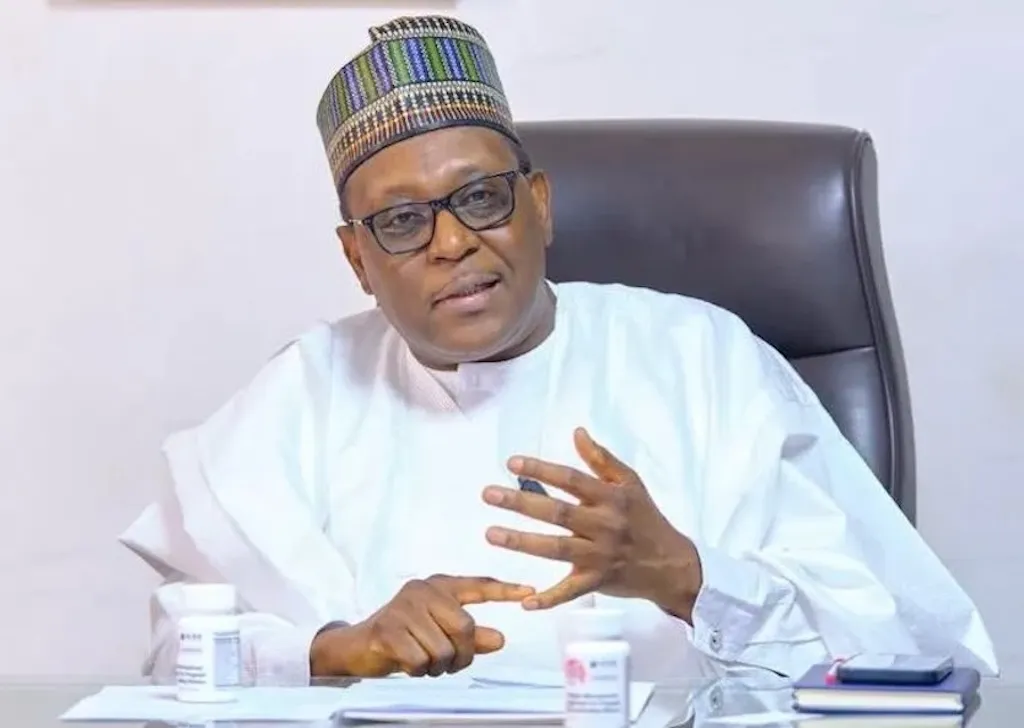
LAFIA, NIGERIA — Nigeria state health budgets have risen from N1.97 trillion in 2023 to more than N3.3 trillion in 2026, Coordinating Minister of Health and Social Welfare Prof. Muhammad Ali Pate said on Thursday, 19 November, as he urged states to turn the money into measurable results, Premium Times and Tribune Online reported.
Pate spoke at the opening of the 67th Regular Session of the National Council on Health in Lafia, Nasarawa State, under the theme “From Commitments to Results: Delivering Quality and Equitable Healthcare for All Nigerians.”
“An appropriation that is not released does not treat a single patient,” Pate said, according to Tribune Online.
What the rise in Nigeria state health budgets has delivered
Under the Nigeria Health Sector Renewal Investment Initiative, launched in December 2023, 41 commitments have been achieved or progressed and 12 of 13 national health indicators are improving, the minister said.
Skilled deliveries in facilities supported by the Basic Health Care Provision Fund rose from 4.8 million in 2023 to nearly eight million by mid-2026, while fourth antenatal visits rose from six million to 8.7 million, Premium Times reported. Health insurance coverage rose from 16 million to nearly 24 million people.
Nearly 20,000 skilled birth attendants were recruited across 22 states, about 5,000 community health workers were engaged in 10 states and almost 80,000 frontline workers were retrained, according to Tribune Online. The Free Emergency Obstetric Care Programme covered more than 80,000 caesarean sections in two years, and dialysis costs fell by up to 80 per cent for more than 5,000 patients.
The measles and rubella campaign reached more than 100 million children, and more than 17 million adolescent girls received the HPV vaccine, Pate said. He added that N300 billion was provided after development assistance declined in 2025, to protect HIV, tuberculosis, malaria and polio services.
The rise in Nigeria state health budgets reflects both the federal push for states to co-finance primary health care and the pressure created by falling donor funding. As general background, states are responsible for most primary and secondary health facilities, so their spending decisions shape what patients find when they visit a clinic.
“Ten factories and production lines have been commissioned, six of them this year alone,” he said, with manufacturers receiving more than N24 billion in tax waivers under a June 2024 executive order.
Gaps that remain
Despite the rise in Nigeria state health budgets, government allocations remain below the Abuja Declaration target of 15 per cent of budgets, and households still bear the largest share of health spending, according to the reports.
Skilled health workers attended fewer than four in 10 rural births, compared with nearly seven in 10 urban births, Premium Times reported.
Pate also highlighted weak reporting on Council decisions. “All 36 States and the FCT submitted returns, but only 412 of the 740 expected reports came in, or 56 per cent,” he said. “No state reported on all 20 resolutions.”
“For each resolution, let us name the institution responsible, set a deadline and agree how to measure progress,” he told delegates. He also warned about discipline in the system. “Discipline is the issue here,” he said.
The 20 resolutions from the previous Council in Calabar had an average implementation score of just over 50 per cent, with Niger, Benue, Akwa Ibom, Abia and Kogi among the highest-scoring states and ten states below 40 per cent, Tribune Online reported. Areas still below 50 per cent included sodium reduction, cosmetics safety, cardiopulmonary resuscitation, larval source management and quality improvement.
“However, the real test of our commitment is not the number of policies formulated or resolutions adopted,” Pate said, according to the report.
Voices from Nasarawa
Nasarawa Governor Abdullahi Sule, represented by Deputy Governor Dr Emmanuel Akabe, said the state had upgraded General Hospital, Wamba, to a specialist hospital and set up the Nasarawa State Drugs and Supplies Management Agency, Premium Times reported.
The Emir of Shonga, Alhaji Haliru Ndanusa Yahaya, commended the reforms but warned that declining development assistance and weak discipline could undermine progress, according to the report.
Why releases matter more than allocations
As general background, Nigerian budgets are often only partly released, and funds that are released late or diverted do not reach clinics. Health advocates have long tracked the gap between appropriation and actual spending at state level.
Tracking Nigeria state health budgets from allocation to release to spending, and publishing the results, would help citizens see whether higher figures are translating into better services, health finance analysts say.
For patients, the test of higher budgets is whether primary health centres have staff, medicines and equipment, whether insurance covers chronic and maternal care, and whether out-of-pocket costs fall. HealthCoach Africa has covered the federal incentives for maternal and newborn care that underpin some of the gains Pate described.
The Council is expected to adopt new resolutions on 20 November, with each assigned to a responsible institution and timeline, following Pate’s call.
Why it matters: Bigger state health budgets only help patients if funds are released and spent on staff, medicines and services that families can use.
National Council on Health Opens Technical Session… LAFIA, NIGERIA The 67th National Council on Health has opened its technical session in Lafia, Nasarawa State, with the state government urging health leaders to turn commitments into measurable results at the grassroots, Vanguard reported.…
Federal Government Reports 55 Percent Implementation… LAFIA, NIGERIA The Federal Government has implemented 55 per cent of the resolutions adopted at the 66th National Council on Health, according to a health council resolutions scorecard presented at the technical session of the…
Mental Health Challenges in Nigeria: Funding,… The World Health Organization (WHO) has consistently emphasized the critical importance of mental health, making it a global concern for the past three years through their World Mental Health Day themes. In 2021, the WHO…
Nasarawa Flood Victims Battle Hunger and Malaria as… DOMA, NIGERIA — Weeks after floods swept through 11 communities in Doma Local Government Area of Nasarawa State, displaced residents are battling hunger, typhoid and malaria, and Nasarawa flood victims malaria cases are rising as…