ADDIS ABABA, ETHIOPIA — Health ministers across 47 member states in the World Health Organization (WHO) African Region have officially adopted a strategic Africa emergency medical teams framework, committing every signatory nation to establish at least one fully operational national rapid-response team by 2030. Endorsed during the 76th session of the WHO Regional Committee for Africa on 7 September 2026, the 2026–2030 roadmap establishes binding governance, clinical training, and validation benchmarks for health personnel deployed during disease outbreaks, floods, and humanitarian emergencies.
Currently, only seven countries in the African region possess advanced operational readiness, while Senegal remains the sole nation with an internationally classified team.
Interim Targets Guiding the Africa Emergency Medical Teams Plan
“This framework marks a shift from reaction to readiness,” noted Dr. Mohamed Janabi, WHO Regional Director for Africa. “Strong national medical teams will save lives, protect essential services and strengthen health security across Africa.”
To ensure continuous progress toward the 2030 mandate, member states must hit specific interim milestones:
2028 Governance Benchmark: At least 80 percent of member states must establish operational governance frameworks and integrated clinical teams.
2028 Validation Standard: Minimum of 50 percent of participating countries must begin formal WHO validation protocols.
2030 Regional Target: At least 80 percent of all national teams must achieve full WHO validation or international classification.
Response Metric
Regional Status (2026)
2028 Interim Goal
2030 Final Target
Operational Readiness
7 Countries
—
100% Member States
Governance Frameworks
30 Countries (Awareness)
80% Member States
100% Member States
WHO Validated Teams
1 Country (Senegal)
50% In Validation
80% Validated/Classified
Scaling Deployment Capacity Across the Continent
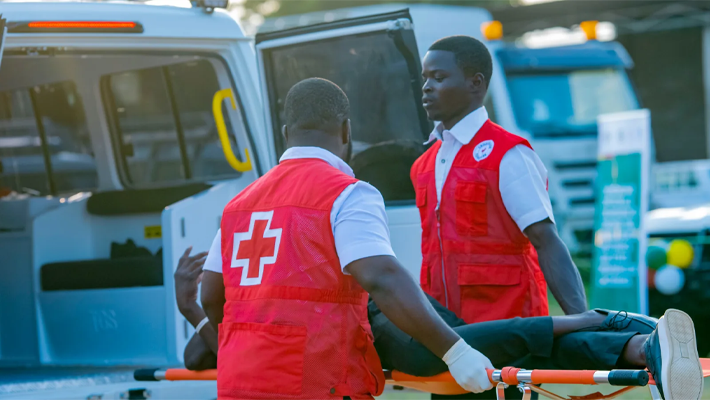
With the African continent recording over 100 significant public health emergencies annually, WHO officials emphasized that standardized readiness is vital for crisis management. Dr. Marie-Roseline Darnycka Belizaire, WHO’s regional emergencies director, stressed that preparedness requires having trained, equipped, and self-sufficient teams ready for rapid deployment. Between 2017 and December 2025, 29 international teams were deployed across 32 member states, with three-quarters responding directly to infectious disease outbreaks.
Implementing robust Africa emergency medical teams ensures that neighboring nations facing recurring health crises receive immediate, standardized clinical assistance during mass casualty events.
Why It Matters: Establishing unified emergency response standards across African health systems ensures rapid, self-sufficient medical deployment when regional outbreaks or environmental disasters strike.
Nigeria Faces Unprecedented Hunger Crisis, UN Warns Abuja, Nigeria — Nigeria is currently grappling with an unprecedented hunger crisis as the United Nations (UN) and humanitarian agencies warn of rising food insecurity across the country. Driven by conflict, economic challenges, climate change,…
Africa Health Data Hub: Kenya Proposes Continental… ADDIS ABABA, ETHIOPIA —Kenya has proposed the creation of an Africa-wide health data hub to reduce the continent's reliance on external systems, in a submission to the 76th session of the World Health Organization Regional Committee…
$300M World Bank loan to upgrade health security Abuja, Nigeria – In a significant move to strengthen Nigeria’s healthcare system, the World Bank has approved a $300 million loan to boost health security and resilience across the country. The funding comes at a…
Aid Cuts Push Millions Into Hunger in Northeast Nigeria Northeast Nigeria is facing a worsening humanitarian crisis as aid cuts by international donors intensify hunger and malnutrition across conflict-affected states like Borno, Adamawa, and Yobe. With over 4.4 million people projected to face acute…