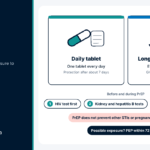
ACCRA, GHANA — Ghana has initiated a significant public health strategy to strengthen its national HIV response. As Ghana expands HIV prevention drug access, health authorities are establishing baseline data to reach key demographics while laying the foundation for long-term supply sustainability across regional clinics.
The preventive medication strategy targets individuals at substantial HIV transmission risk, including sex workers, men who have sex with men, and discordant couples. Community health programmes distributed preventive drugs through primary care settings and specialized HIV prevention clinics. Healthcare worker training ensured appropriate patient selection and adherence support for individuals initiating preventive therapy.
Expansion Targets & Local Manufacturing Benchmarks
The national healthcare initiative outlines clear operational targets for domestic drug production and cost reduction:
Parameter / Metric
Operational Standard & Target
Primary Intervention
Oral Pre-Exposure Prophylaxis (PrEP)
Target Demographics
Sex workers, MSM, discordant couples, high-risk groups
Manufacturing Timeline
Domestic capacity online within 18 to 24 months
Projected Cost Savings
40% to 50% reduction in per-person annual therapy costs
Regulatory Oversight
Ghana Food and Drugs Authority & international QA bodies
How Ghana Expands HIV Prevention Drug Access via Local Manufacturing
Local manufacturing initiatives partnered Ghana-based pharmaceutical companies with international technology transfer arrangements, enabling production of preventive medication active ingredients and formulations. Manufacturing facility expansion required capital investment and regulatory approvals coordinating between Ghana’s Food and Drugs Authority and international quality assurance bodies. Production timelines anticipate domestic manufacturing capacity becoming available within 18 to 24 months.
Cost reductions from local manufacturing are projected to reduce per-person annual preventive therapy costs by 40 to 50 percent compared to current import-based pricing. This pricing advantage enables government-supported preventive programmes to expand eligible population coverage. Private sector uptake is anticipated to increase when commercial availability combines local production economics with retail accessibility.
Strengthening Community Infrastructure and Clinical Services
Community-based programmes emphasizing prevention have shown effectiveness in Ghana’s HIV response, with case reports indicating preventive drug uptake among high-risk individuals when combined with supportive counselling and adherence monitoring. As Ghana expands HIV prevention drug access, surveillance data tracks preventive drug effectiveness by monitoring incident infections among users, informing programme modifications and scale-up strategies.
Healthcare worker competency in preventive medication management has been strengthened through standardized training addressing patient eligibility assessment, adherence counselling, and adverse effect recognition. Clinic systems documented preventive drug distribution and patient follow-up, enabling service quality monitoring and outcome evaluation. Integration with existing HIV treatment programmes streamlined referral pathways for individuals requiring treatment initiation.
Community engagement programmes addressed stigma and misconceptions regarding preventive drug use, emphasizing that prevention represents a legitimate health strategy complementing treatment and partner notification approaches. Rights-based messaging emphasized individual autonomy in prevention decisions, reducing pressure from providers or community members discouraging prevention adoption.
Why It Matters: Expanded HIV prevention access through local manufacturing reduces medication costs and improves long-term affordability for Ghana’s high-risk populations, complementing treatment-based response strategies.
STIs and Infertility: Africa's Silent Struggle Infertility affects millions of couples across Africa, yet access to fertility treatments such as in vitro fertilization (IVF) and other assisted reproductive technologies (ART) remains extremely limited. In societies where childbearing is closely linked to…
Infertility stigma and cultural beliefs in Africa Infertility is a global health concern, but in Africa, it carries a unique burden due to deep-rooted cultural beliefs, religious expectations, and societal pressures. In many African communities, the ability to bear children is seen…
Pharmacists improve sexual health and medication adherence Sexual health remains a critical aspect of overall well-being, yet millions of people across Africa face challenges in accessing the right medications, adhering to treatment plans, and overcoming the sigma attached to sexually transmitted infections…
HIV PrEP in Nigeria: A Practical Guide to HIV Prevention Nigeria has one of the largest numbers of people living with HIV in the world. Yet many new infections can now be prevented with a simple medicine. Pre-exposure prophylaxis, or PrEP, is medicine taken by…