ABUJA, NIGERIA — Nigeria has recorded 259 deaths from Lassa fever in 2026, with 1,086 confirmed cases reported across 24 states and 118 local government areas. Latest surveillance reports monitoring the nigeria lassa fever death toll place the case fatality rate at 23.9 percent, up from 18.6 percent during the same period in 2025. The sharp surge indicates that roughly one in four individuals with a laboratory-confirmed infection has died, despite a weekly drop in overall transmission.
Epidemiological tracking identifies five endemic states—Bauchi, Ondo, Taraba, Benue, and Edo—accounting for 87 percent of all confirmed infections. Notably, individuals aged 21 to 30 form the predominant demographic group, creating severe socio-economic consequences for the young working population.
Outbreak Demographics & Epidemiological Metrics
Surveillance tracking by health authorities outlines critical outbreak dynamics across affected regions:
Outbreak Metric
Public Health Tracking Status
Confirmed Deaths
259 fatalities nationwide
Confirmed Case Count
1,086 laboratory-verified cases
Case Fatality Rate (CFR)
23.9 percent (Up from 18.6% in 2025)
Primary Hotspot States
Bauchi, Ondo, Taraba, Benue & Edo (87% of total)
Addressing Root Causes Driving the Nigeria Lassa Fever Death Toll Surge
Mitigating the nigeria lassa fever death toll demands resolving systemic barriers in health-seeking behavior, treatment accessibility, and clinical safety. The Nigeria Centre for Disease Control and Prevention identifies late hospital presentation as the principal driver of mortality, often caused by prohibitive out-of-pocket medical costs that cause rural households to delay medical care until severe complications set in.
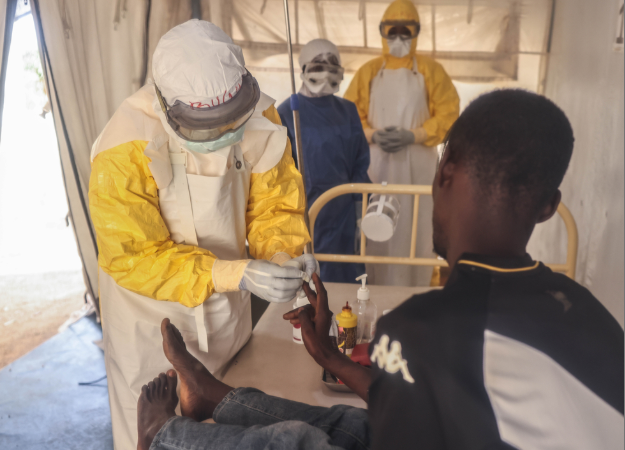
Simultaneously, healthcare worker infections continue to strain frontline treatment centers, removing skilled medical personnel and heightening nosocomial exposure risks. Addressing the outbreak requires expanding national health insurance into agrarian communities, enforcing strict infection prevention and control protocols in clinical wards, and improving community rodent control to reduce viral transmission at the household level.
Why It Matters: A case fatality rate exceeding 23 percent signals that infected individuals are reaching treatment facilities too late, making care affordability and early clinical diagnosis the critical determinants of survival.
Lassa Fever Warning Signs: Early Action Saves Lives Lassa fever is a viral illness that is found in West Africa, and Nigeria reports more cases than any other country. Each year, outbreaks peak during the dry season, from about December to April. In…
Nigeria Lassa Fever Fatalities Reach 268 as Health… ABUJA, NIGERIA — The ongoing lassa fever outbreak in nigeria has claimed 268 lives through epidemiological week 40 of 2026, pushing the national case fatality rate (CFR) to 23.6 percent compared with 18.6 percent recorded…
NCDC Reports 1,968 Lassa Fever Cases in 28 States:… The Nigeria Centre for Disease Control and Prevention (NCDC) has sounded the alarm, announcing that the country is grappling with a significant outbreak of Lassa fever. According to the latest data published on its official…
Nigeria’s Lassa Fever Deaths Reach 263 as Fatality… ABUJA, NIGERIA — Lassa fever has claimed 263 lives in Nigeria so far in 2026, with the case fatality rate rising significantly higher than levels recorded during the same period last year. According to epidemiological…