NEW YORK, UNITED STATES — Spearheading a major nigeria sickle cell disease onescd un launch milestone, Nigeria introduced OneSCD—a global health partnership designed to advance equity and transform sickle cell care—at the 81st session of the United Nations General Assembly. The initiative seeks coordinated international action for a genetic condition where Nigeria carries the world’s heaviest disease burden.
Dr. Iziaq Salako, Minister of State for Health and Social Welfare, led the global launch in New York, News Central and The News Chronicle reported on September 25. OneSCD operates as a unified platform linking political leadership, technical expertise, lived experience, and sustainable financing behind country-led health programs.
“This is why OneSCD matters: to provide a global mechanism that connects political leadership, technical expertise, lived experience, and financing behind country-led action,” Salako declared during his keynote address.
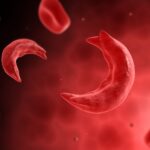
An estimated 150,000 to 180,000 babies are born with sickle cell disease in Nigeria each year. Worldwide, nearly 8 million people live with the condition, with more than 75 per cent concentrated in sub-Saharan Africa.
Core Pillars of the OneSCD Global Partnership
The initiative focuses on four key operational areas to reduce infant mortality and expand lifelong clinical care:
Action Area
Implementation Strategy & Goal
Newborn Screening
Expanding early diagnostic testing beyond pilot sites in Lagos, Kano, and the FCT
Centres of Excellence
Establishing 6 specialized diagnostic facilities across key geopolitical zones
System Integration
Embedding sickle cell health indicators directly into national health information systems
Financial Protection
Exploring public-private partnerships and health insurance coverage for care
Domestic Interventions and Implementation Challenges
Outlining domestic progress, Salako highlighted ongoing pilot newborn screening programs in Lagos, Kano, and the Federal Capital Territory. Early identification allows infants to receive vital penicillin prophylaxis, routine immunizations, and comprehensive monitoring, preventing fatal complications before their onset.
However, scaling screening across Nigeria’s seven million annual births demands robust laboratory infrastructure, efficient family notification systems, and reliable supply chains for essential medications like hydroxyurea.
Crucially, the nigeria sickle cell disease onescd un launch highlighted out-of-pocket medical costs as the central obstacle for affected families. While integrating treatment into national insurance benefit packages remains a priority, specific financial pledges and participating global donors for OneSCD were not disclosed in the initial report.
Why It Matters: Nigeria carries the largest sickle cell burden globally. Expanding universal newborn screening and providing insured healthcare coverage directly determine survival rates for hundreds of thousands of infants.
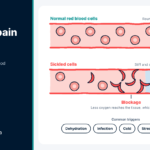
Sickle Cell Pain Crisis: Triggers, Home Care and Red Flags Nigeria has more people living with sickle cell disease than any other country, and about 150,000 babies are born with the condition here every year. For most of them, the defining experience is pain. A…
Alarming Study Reveals 13.4 Million Premature Births… A groundbreaking study published in The Lancet has unveiled a deeply concerning global health issue: an estimated 13.4 million babies were born prematurely in the year 2020, equating to one in ten infants worldwide being…
Nigeria Grapples with 30% of Global Malaria cases,… In a striking revelation, Nigeria's Health Minister has disclosed that the nation shoulders a staggering 30% of the global malaria burden. This dire situation underscores the pressing need for comprehensive measures to address health issues…
World Leaders Pledge Historic Commitment to Pandemic… In a momentous development at the United Nations General Assembly, global leaders have made an unprecedented commitment to enhance international cooperation, coordination, governance, and investments aimed at averting the devastating health and socioeconomic impacts witnessed…