ABUJA, NIGERIA — The ongoing lassa fever outbreak in nigeria has claimed 268 lives through epidemiological week 40 of 2026, pushing the national case fatality rate (CFR) to 23.6 percent compared with 18.6 percent recorded during the corresponding period last year. According to the latest surveillance updates released by the Nigeria Centre for Disease Control and Prevention (NCDC), total confirmed cases have reached 1,138 across 24 states and 119 local government areas, while 54 healthcare workers have contracted the viral hemorrhagic illness.
Although week 40 recorded a temporary deceleration in transmission—yielding three new confirmed cases and one fatality across Bauchi and Benue states—the cumulative mortality burden highlights a heightened viral baseline as the nation approaches its primary dry-season transmission surge.
Epidemiological Profile and Lassa Fever Outbreak in Nigeria
Comprehensive data disclosed by the NCDC outlines key regional concentration patterns, healthcare worker exposure, and national mortality trends for the lassa fever outbreak in nigeria:
Epidemiological Parameter
National Metrics & Outbreak Profile
Cumulative Deaths (2026)
268 fatalities (vs. 172 recorded during the same period in 2025)
Confirmed Cases
1,138 cases recorded across 24 states and 119 LGAs
Case Fatality Rate (CFR)
23.6% fatality rate, elevated from 18.6% in 2025
Healthcare Worker Impact
54 health workers infected across clinical facilities
Geographic Concentration
88% of cases in Ondo (36%), Bauchi (23%), Taraba (12%), Edo (11%), Benue (6%)
Clinical Interventions and Lassa Fever Outbreak in Nigeria
To interrupt viral transmission chains, lower case fatality rates, and safeguard clinical staff, public health authorities are prioritizing key intervention protocols for the lassa fever outbreak in nigeria:
Incident Management Activations: Coordinating emergency operations centers across active hotspot states, including Benue, Plateau, Kebbi, Kano, and Gombe.
Strict Infection Control Standards: Mandating barrier nursing, personal protective equipment (PPE) compliance, and strict sample-handling precautions during triage.
Early Ribavirin Administration: Accelerating early clinical presentation to ensure antiviral treatments like ribavirin are administered before multi-organ damage occurs.
Late Presentation, Nosocomial Risks, and Seasonal Drivers
The NCDC attributes the sharp rise in mortality primarily to late case presentation at designated treatment facilities, compounded by initial misdiagnosis as malaria or typhoid, financial constraints, and delayed health-seeking behavior.Because initial symptoms such as fever, body weakness, and headache mimic common endemic febrile illnesses, many infected individuals first consult patent medicine vendors or basic clinics. This delays access to specialized diagnostic testing at designated reference laboratories and postpones life-saving supportive care like renal dialysis.
This diagnostic lag creates severe occupational hazards for frontline medical staff during the lassa fever outbreak in nigeria. When patients presenting with fever are not immediately suspected of having Lassa fever, clinicians treat them without adequate personal protective equipment, gloves, or safe fluid-handling tools.Nosocomial infections not only jeopardize health worker lives but also temporarily remove vital doctors and nurses from service in facilities already facing severe staffing shortages.
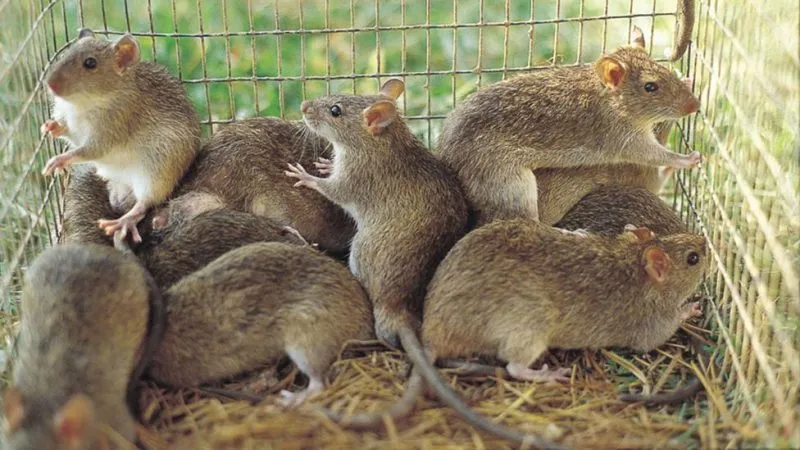
Transmitted primarily through contact with food or household items contaminated by infected Mastomys rodent excreta, Lassa fever can also spread from person to person through direct contact with blood or body fluids. Transmission typically surges between November and April when dry-season conditions drive rodents into human habitations. The elevated mortality recorded during the lower-transmission rainy season indicates that public health systems face a severe challenge heading into the upcoming peak season.
Community Prevention and System Resilience
Mitigating the threat of Lassa fever requires sustained community-level prevention alongside clinical preparedness. Key public health measures include storing grains and food supplies in rodent-proof containers, maintaining clean household environments, avoiding contact with rats, and seeking immediate medical evaluation for any persistent fever that fails to respond to standard malaria treatments.Strengthening local primary care centers to detect early viral symptoms and rapidly transfer suspected cases remains the most effective defense against preventable mortality.
Why It Matters: Delayed clinical diagnosis is causing nearly one in four Lassa fever patients to lose their lives while exposing unprotected healthcare workers to severe, life-threatening viral infections.
Morphine Sulfate Oral Solution 10mg/5mL: Uses,… Classification: Prescription Opioid Analgesic Drug Managing severe pain requires clear understanding and precise administration of your medication. This comprehensive Morphine oral solution guide explains how this prescription drug works, proper dosing protocols, common side effects,…
Lassa Fever Warning Signs: Early Action Saves Lives Lassa fever is a viral illness that is found in West Africa, and Nigeria reports more cases than any other country. Each year, outbreaks peak during the dry season, from about December to April. In…
NCDC Reports 1,968 Lassa Fever Cases in 28 States:… The Nigeria Centre for Disease Control and Prevention (NCDC) has sounded the alarm, announcing that the country is grappling with a significant outbreak of Lassa fever. According to the latest data published on its official…
Nigeria’s Lassa Fever Death Rate Climbs to 23.4… ABUJA, NIGERIA Nigeria’s Lassa fever fatality rate has risen to 23.4 per cent so far in 2026, up from 18.3 per cent at the same point last year, according to the Nigeria Centre for Disease…