ACCRA, GHANA — Strengthening regional epidemic preparedness and health sovereignty, cepi funds west africa clinical trial systems through an additional $8.2 million financial commitment to accelerate vaccine, diagnostic, and therapeutic evaluations during pathogen outbreaks. Announced by the Coalition for Epidemic Preparedness Innovations (CEPI) during an international health gathering in Accra, the new funding brings CEPI’s total allocation for its Research Preparedness Programme to $28.8 million globally.
The multi-million-dollar capital injection directly operationalizes the Africa Centres for Disease Control and Prevention (Africa CDC) hub-and-spoke clinical trial architecture across the West African region.
Programmatic Capital Allocations and Epidemic Response Targets
Data compiled from CEPI disclosures, Africa CDC briefings, and International Vaccine Institute operational blueprints detail key program metrics:
Health Security Category
Programmatic Operational Benchmarks
New West Africa Funding Allocation
Up to $8.2 Million earmarked for clinical trial infrastructure
Total Research Preparedness Budget
$28.8 Million cumulative CEPI investment in trial networks
Primary Implementation Partners
Africa CDC, IVI, & MRC Unit The Gambia
Global Health Security Target
100 Days Mission (Vaccines ready within 100 days of threat)
Technical Mechanics Behind How CEPI Funds West Africa Systems
Understanding the medical research rationale explaining why cepi funds west africa trial readiness requires examining hub-and-spoke operational models, regulatory pathways, and clinical trial logistics:
Hub-and-Spoke Regional Integration: The Africa CDC trial model pairs established, high-capacity research institutions (hubs) with secondary clinical sites (spokes) located in outbreak-prone zones. This structure facilitates rapid protocol deployment, standardized data management, and swift patient enrollment during active epidemics.
Overcoming Trial Activation Delays: Traditional clinical trial setups during acute outbreaks often take months or years due to delayed ethical approvals, lack of GCP-trained investigators, and cold-chain infrastructure gaps. Establishing pre-accredited sites allows trials to launch within days of pathogen identification.
Advancing Continental Health Sovereignty: As Africa CDC Director-General Dr. Jean Kaseya noted, local trial execution generates crucial scientific evidence on African soil. The urgency of this framework is highlighted by current evaluations such as the Tumaini trial in the DRC, assessing vaccines against the Bundibugyo ebolavirus strain.
Institutional Leadership, Open-Access Principles, and Vaccine Access
CEPI Chief Executive Officer Dr. Richard Hatchett stressed that building clinical trial capacity before health emergencies occur is vital to closing historic gaps in global vaccine equity. All studies conducted across supported sites will operate under strict open-access principles to ensure rapid sharing of scientific findings.
Supporting partners, including IVI Director-General Dr. Jerome Kim and Prof. Ed Clarke of MRC Unit The Gambia, emphasized that long-term pandemic resilience relies on continuous investment in research personnel, regulatory alignment, and sustainable institutional partnerships across West Africa.
Regional Outbreak Context, Biosecurity Preparedness, and Healthcare Outlook
West Africa’s previous experience managing major epidemics—including the 2014–2016 Ebola outbreak in Guinea and recurring annual Lassa fever surges—underscores the necessity of pre-positioned clinical trial networks.
Strengthening regional laboratory diagnostics, maintaining cold-chain integrity, and training local principal investigators remain essential to safeguarding continental health security as cepi funds west africa research institutions.
Why It Matters: Pre-positioned, accredited trial sites enable African researchers to test vaccines, therapeutics, and diagnostics during active outbreaks rather than waiting for external trial setups, accelerating pandemic response times.
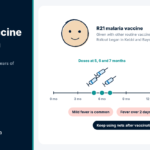
Malaria Vaccine for Children: A Guide for Nigerian Parents For generations, Nigerian parents have relied on nets, drugs and prayer to protect their children from malaria. Now there is another tool. In December 2024, Nigeria introduced a malaria vaccine into its routine childhood immunisation…
DRC Launches First Bundibugyo Ebola Vaccine Trial BUNIA, DR CONGO — As the drc launches first bundibugyo Ebola vaccine trial to evaluate protective candidates, public health authorities have administered the initial doses in Bunia, eastern Democratic Republic of the Congo (DRC). Named…
Ghana MP Demands Proof of Ebola Preparedness, Urges… ACCRA, GHANA — Challenging health authorities to demonstrate operational readiness following regional outbreak reports, ghana mp demands proof of biosecurity preparedness and transparent accounts of health emergency allocations. In a formal press statement issued in…
Bill & Melinda Gates Foundation Announces $800k… Securing non-dilutive research and development grant funding is essential for African laboratories, reference centers, and universities striving to democratize genomic surveillance. The Gates Pathogen Sequencing Grants opportunity offers significant financial backing to pioneer affordable, operationally…