ABUJA, NIGERIA — Health and hygiene experts have called for professionally trained cleaners in epidemic response planning in Nigeria, warning that poor cleaning practices and cross-contamination can undermine efforts to stop infectious diseases such as Ebola, the News Agency of Nigeria (NAN) reported on 2 November.
Olubunmi Fagbuyiro, Founder and Convener of the Pan-African Industrial Cleaning Academy (PAICA), told NAN in Abuja that trained cleaners “are the first line of defence in preventing the spread of Ebola or any kind of diseases”. Prof. Prince Origa, Head of the Institute for Humanitarian Studies and Social Development, backed the call.
Why cleaners in epidemic response matter
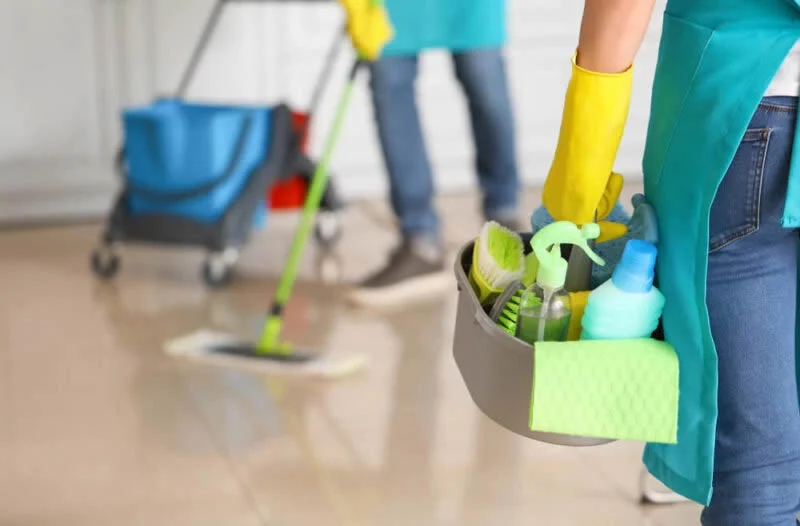
Fagbuyiro said professional cleaning requires knowledge of infection prevention, appropriate chemicals, disinfection procedures and control of cross-contamination, and is more than mops, buckets and detergent. He warned that using one mop for toilets, living rooms and kitchens can spread contaminants. “In our homes, many of us only have two mops or one,” he said.
Trained practitioners know the correct dilution for disinfectants, the contact time they need to work, and how to put on and remove personal protective equipment safely, he said. He called for cleaners to help draft hygiene policies and emergency protocols, and for trained cleaners to sit on emergency coordination bodies. “You cannot make policies that have to do with hygiene, disease response and preparedness without calling the real people,” he said.
He named training, professional recognition and inter-agency coordination as critical gaps, along with adequate protective equipment and approved disinfectants. “When we undervalue the sector, we under-protect the nation,” he said. PAICA said it was ready to deploy rapid-response training teams across Abuja to hospitals, isolation centres, hotels, transport hubs and public institutions, and is developing a mobile app to identify and deploy trained cleaning professionals.
Origa said environmental cleanliness is inseparable from epidemiology and public health, citing frequently touched shared surfaces such as staircase rails. He noted that Nigeria was monitoring contacts of an imported Bundibugyo Ebola case and said sustained public awareness was needed. “Ebola will fizzle out, but beyond Ebola, let it become part of our daily lifestyle,” he said.
Origa’s point reflects a wider lesson from past outbreaks: hygiene improvements made during emergencies often fade once the threat passes, leaving communities and facilities vulnerable to the next infection, whether Ebola, cholera or Lassa fever.
Environmental cleaning in Ebola control
Ebola spreads through direct contact with blood and body fluids of infected people, and through contaminated surfaces and materials such as bedding, clothing and medical equipment. In health facilities, environmental cleaning and safe waste management are core parts of infection prevention and control, alongside hand hygiene and protective equipment. Cleaning staff who handle soiled linen or clean isolation rooms face real risks if they are not trained and protected.
During the 2014 to 2016 West African epidemic, health facilities that lacked trained cleaners and supplies struggled to keep wards safe, and infection of health workers, including support staff, was a significant problem. Guidance from the World Health Organization treats cleaners as part of the health workforce that must be trained and equipped during outbreaks.
Nigeria’s disease control agency has told hospitals to strengthen infection prevention, including environmental cleaning, waste management and safe handling of sharps, and to isolate suspected Ebola cases without waiting for laboratory confirmation. Recognising cleaners in epidemic response would help ensure those instructions are carried out by people who know how to do the work safely.
Cleaning workers are often employed by contractors on low wages, with little formal training and limited access to protective equipment. Formal recognition, certification and fair pay could improve standards and retention, the experts suggested.
PAICA’s plan for a mobile app to deploy trained cleaners reflects the need to scale up quickly during outbreaks, when hospitals, isolation centres and transport hubs require more intensive cleaning. Hotels and transport hubs, which PAICA listed among its targets, handle large numbers of travellers, including people arriving from countries with active outbreaks.
Cleaners are often the first to handle soiled materials in homes and facilities, so training them to recognise risk and use protective equipment protects their own health as well as that of patients and the public.
The experts urged government agencies, health institutions, cleaning organisations and others to strengthen collaboration, training and public education on hygiene and infection prevention.
The NAN report did not include a response from the Nigeria Centre for Disease Control and Prevention on including cleaners in epidemic response frameworks.
Why it matters: Clean wards and safe waste handling stop outbreaks spreading in hospitals, so trained, protected cleaners are part of Nigeria’s health security.
Kenya Issues Ebola Safety Guidelines for Workplaces… NAIROBI, KENYA — Kenya’s Ministry of Health has issued Ebola workplace safety guidelines urging employers and employees to promote awareness, early reporting and hand hygiene, as the country continues to monitor contacts linked to its outbreak,…
Lassa Fever Warning Signs: Early Action Saves Lives Lassa fever is a viral illness that is found in West Africa, and Nigeria reports more cases than any other country. Each year, outbreaks peak during the dry season, from about December to April. In…
Heart Attack Warning Signs: Act Fast and Save a Life Heart disease is rising in Nigeria, driven by high blood pressure, diabetes, smoking and changing lifestyles. A heart attack is a medical emergency in which every minute counts. The faster treatment starts, the more heart…
Nigeria Faces Unprecedented Hunger Crisis, UN Warns Abuja, Nigeria — Nigeria is currently grappling with an unprecedented hunger crisis as the United Nations (UN) and humanitarian agencies warn of rising food insecurity across the country. Driven by conflict, economic challenges, climate change,…