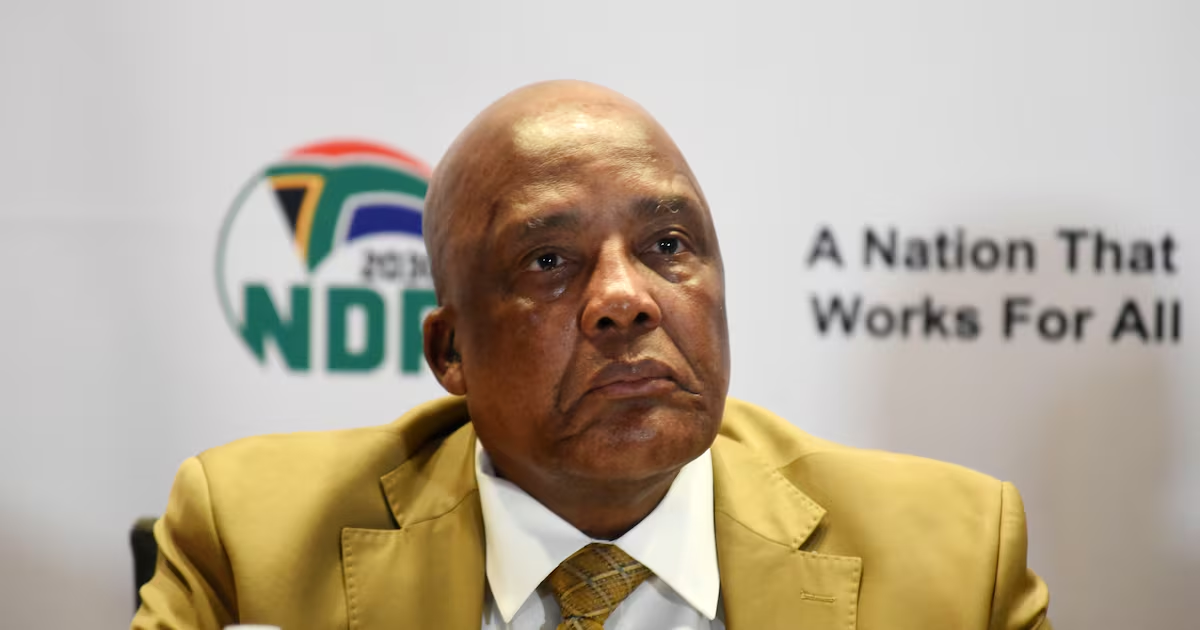
JOHANNESBURG, SOUTH AFRICA — South Africa medicine shortages have prompted Health Minister Dr Aaron Motsoaledi to urge doctors to prescribe alternative medicines when usual treatments are unavailable, TimesLIVE reported on 19 November.
Speaking to Newzroom Afrika, Motsoaledi said the department is issuing circulars to provincial health departments and facilities setting out which medicines can be substituted when prescribed products are out of stock. “When a company cannot supply, we are allowed by law to look elsewhere,” he said.
Behind the South Africa medicine shortages
The national department has contracts with 96 medicine suppliers, 11 of which supply antiretroviral (ARV) medicines, according to the report. Provinces may buy from alternative suppliers when contracted companies cannot deliver.
Suppliers have reportedly blocked the accounts of some provinces over unpaid invoices in the Eastern Cape, Northern Cape and North West, TimesLIVE reported. The national department gave the three provinces until the end of the week to pay.
As general background, when provinces pay suppliers late, companies may stop deliveries or prioritise customers who pay on time. Blocked accounts can quickly lead to stock-outs at clinics and hospitals, even when medicines are available in the country, which is one reason South Africa medicine shortages vary between provinces.
The Eastern Cape, Northern Cape and North West are among the provinces with large rural populations who depend heavily on public clinics, so stock-outs there can force patients to travel long distances or go without treatment.
If they do not, Motsoaledi said he would write to their premiers. “I will then have to come at the political level, write letters to their premiers,” he said, adding that “the money is with the provinces to order drugs.”
ARVs protected by stockpile
About 6.1 million people in South Africa receive ARV treatment. Motsoaledi said provinces must keep a three-month ARV stockpile and that any ARV shortages at facilities would be logistical rather than a lack of stock, the report said.
As general background, South Africa runs the world’s largest HIV treatment programme. Interruptions in ARV supply can lead to treatment failure and drug resistance, so maintaining continuous supply is a priority for the health system.
Local manufacturing talks
Motsoaledi acknowledged the need for local pharmaceutical manufacturing and said talks were under way with the departments of science and technology and of trade, industry and competition. “The biggest issue is, if we can get a breakthrough of any pharmaceutical company,” he said.
President Cyril Ramaphosa opened a unit at the Council for Scientific and Industrial Research last month to manufacture some medicines locally, according to the report.
As general background, South African pharmacists and doctors have reported shortages of medicines including some psychiatric drugs, epilepsy treatments, contraceptives and antibiotics in recent months. Industry groups have linked shortages to pricing rules, the closure of local production lines, shipping delays and late payments by provincial health departments.
South Africa medicine shortages have also raised concerns about patients turning to unregulated sources. Parliament is probing the risk of illicit medicines entering the market, IOL reported on 19 November.
What substitution means for patients
Prescribing alternatives can keep patients on treatment, but switching medicines can be difficult for some people. Patients may experience different side effects, need dose adjustments or take time to stabilise, particularly with psychiatric, epilepsy and heart medicines.
Patients are advised not to stop medicines on their own if their usual brand is unavailable, and to ask their doctor, nurse or pharmacist about suitable alternatives. Keeping a list of current medicines and doses helps health workers find safe substitutes.
Pharmacists play an important role during shortages by identifying equivalent products, explaining changes to patients and alerting prescribers when stocks run low.
As general background, South Africa’s Central Chronic Medicine Dispensing and Distribution programme delivers repeat medicines to millions of stable patients at pick-up points, and any shortage upstream can quickly affect these deliveries. Health departments have urged patients to collect medicines on schedule and report missing items so that stocks can be redistributed.
African countries face similar challenges in securing reliable medicine supply. In Nigeria, local drug makers say high costs threaten production, as HealthCoach Africa has reported on Nigerian drug makers and power costs. Southern African health ministers signed a charter for regional pooled procurement in Durban this month, which aims to improve supply across the region.
Resolving South Africa medicine shortages will require provinces to pay suppliers on time, better forecasting and stronger local production, health analysts say.
Why it matters: When public clinics run out of medicines, patients with chronic conditions risk relapse, and unpaid provincial bills are making shortages worse.
South African Court Sets Aside Major Awards in R15.5… PRETORIA, SOUTH AFRICA — In a landmark judicial ruling on public health procurement integrity, a south african court sets aside the largest allocations of the National Department of Health’s R15.5 billion antiretroviral (ARV) tender following…
South African Public Patients Told to Buy Medicines… JOHANNESBURG, SOUTH AFRICA — South Africa medicine shortages in public hospitals and clinics have reached what experts describe as their worst level yet, with some facilities writing prescriptions so that patients can buy drugs from private…
Rwanda Steps Up Fight Against Antibiotic Misuse With… KIGALI, RWANDA — Rwanda is tightening its response to antimicrobial resistance (AMR) through a new livestock law that turns the One Health approach into a legal duty, though experts say the Rwanda antibiotic misuse law…
Motsoaledi Says Diabetes Has Overtaken HIV as South… JOHANNESBURG, SOUTH AFRICA Diabetes has overtaken HIV and AIDS as the leading cause of South Africa diabetes deaths and the country’s top killer, Health Minister Aaron Motsoaledi said at a World Diabetes Day event, Africanews…