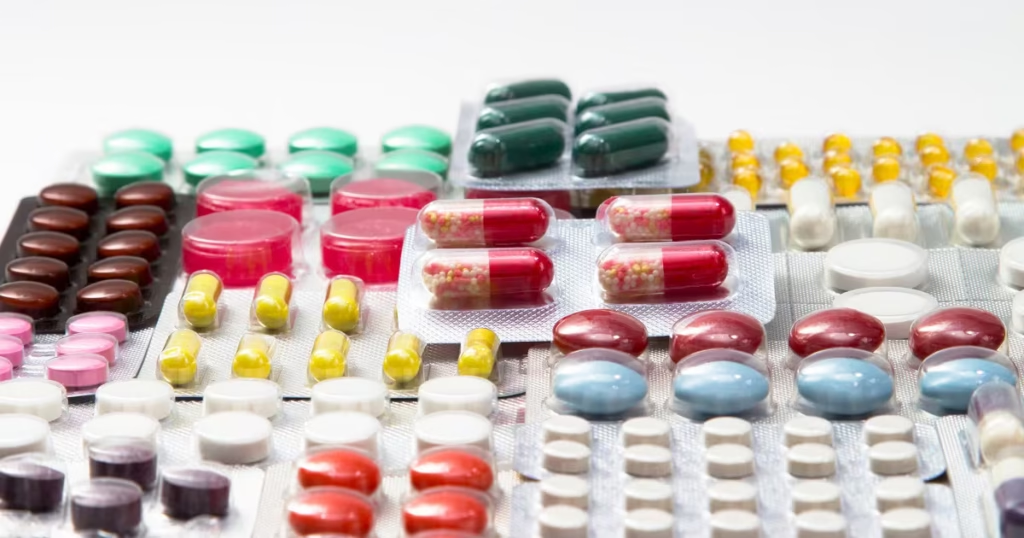
JOHANNESBURG, SOUTH AFRICA — South Africa medicine shortages in public hospitals and clinics have reached what experts describe as their worst level yet, with some facilities writing prescriptions so that patients can buy drugs from private pharmacies, TimesLIVE reported on 5 November.
More than one in seven medicines on the national health department’s master products list are at risk of running out, according to the report by health and science correspondent Tamar Kahn. The October “hotlist” identifies 165 products in critical shortage, including treatments for cancer and severe mental illness.
“It is worse than ever before,” said Andy Gray, senior lecturer in pharmaceutical sciences at the University of KwaZulu-Natal. Stavros Nicolaou, chair of the Pharmaceutical Task Group, said the shortage list was the longest “in living memory.”
The scale of South Africa medicine shortages
The November master list includes 1,135 medicines that provinces may buy. Shortages also affect HIV and noncommunicable disease treatments, the report said, although not every medicine was named.
Psychiatric medicines have been particularly hard hit. The South African Society of Psychiatrists (Sasop) has received reports of critical shortages from members since June, including olanzapine and quetiapine, which are used to treat schizophrenia, bipolar disorder and severe depression.
“It’s multiple drugs, from multiple pharmaceutical companies, for multiple disorders,” said Mvuyiso Talatala, a past president of Sasop.
Taswill Welcome, a mental health advocate who runs a Cape Town support group of about 40 members, said three members had recently relapsed and needed hospital admission. “Not a day goes by without a message of distress. We cannot normalise this,” he said.
Why the shelves are empty
The report points to several causes. Suppliers have blocked some accounts in the Eastern Cape, North West and Northern Cape over unpaid bills. The national department asked suppliers to hold two months of buffer stock, but many manufacturers said they could not.
The South African Health Products Regulatory Authority (SAHPRA) closed certain manufacturing lines, and manufacturers named as affected include Barrs, Adcock Ingram, Wrapsa, Sonke and Aspen Pharmacare. Procurement contracts run on three-year cycles, and volatile order volumes discourage some companies from bidding.
The private retail sector appears less affected. The Independent Community Pharmacy Association, which represents about 1,200 retail pharmacies, reported problems with only a handful of items, including injectable cortisone and certain eye drops.
Department of Health spokesperson Foster Mohale was quoted in the report on the department’s response.
What shortages mean for patients
For people with chronic conditions, a missed refill can have serious consequences. Interrupting antipsychotic medicine can lead to relapse, hospital admission and harm to the person and family. Gaps in HIV treatment can allow the virus to rebound and lead to drug resistance, and shortages of cancer medicines can delay treatment cycles.
Being asked to buy medicine privately shifts the cost to patients who use the public sector precisely because they cannot afford private care. Many will pay with money meant for food or transport, buy a smaller quantity than prescribed, or go without.
Pharmacists and doctors can sometimes switch patients to an alternative medicine in the same class, but this requires careful monitoring, particularly for psychiatric and epilepsy medicines, and alternatives may also be in short supply.
The South Africa medicine shortages also place a heavy load on pharmacists and nurses, who must explain the gaps to patients, search for stock at other facilities and manage the frustration of people who have travelled long distances for their refills.
Fixing the supply chain
Experts have called for paying suppliers on time, improving demand forecasting, sharing stock data between provinces and supporting local manufacturers to keep lines open. Regular publication of shortage lists can help clinicians plan, and clear guidance on therapeutic substitution can reduce harm.
Industry groups say longer, more predictable contracts and faster payment would encourage manufacturers to invest in capacity. Local production can improve resilience, but only if factories meet regulatory standards and receive reliable orders, which is why the South Africa medicine shortages have renewed debate about how the state buys medicines.
Patients can protect themselves by collecting refills early where possible, keeping a list of their medicines and doses, and asking their clinic or pharmacist about alternatives before they run out. People with severe mental illness, HIV, epilepsy or diabetes should not stop treatment without advice.
South Africa medicine shortages are likely to remain a concern until payment problems and manufacturing issues are resolved. For patients on long-term treatment, the gap between the prescription and the pharmacy shelf is now a daily risk.
Why it matters: Public patients who cannot afford private pharmacies risk relapse, resistance and delayed cancer care when essential medicines run out.
Colorectal Cancer Early Signs: What Your Bowel Is… Colorectal cancer, also called bowel cancer, affects the colon and the rectum. It is one of the most common cancers worldwide, and doctors in Nigeria are seeing more cases, including in people under 50. Many…
Prostate Cancer in Nigeria: Signs, Testing and Treatment Prostate cancer is the most common cancer among Nigerian men. Men of African descent develop it more often, at a younger age and in a more aggressive form than many other groups. Yet many men…
Cancer Caregiver Support Tips: Caring Well Without… When someone is diagnosed with cancer, the whole family feels it. In Nigeria, most care happens at home, often led by a spouse, adult child or sibling. Caregivers manage medicines, cook special meals, travel to…
Breast Cancer Warning Signs: What Every Woman Should Check Breast cancer is the most common cancer in Nigeria. Sadly, many women reach hospital only when the disease is advanced and harder to treat. Knowing the breast cancer warning signs, and acting on them quickly,…