Prostate cancer is the most common cancer among Nigerian men. Men of African descent develop it more often, at a younger age and in a more aggressive form than many other groups. Yet many men only see a doctor when they can no longer pass urine or when the cancer has reached their bones. This guide to prostate cancer in Nigeria explains the signs, the PSA test and the treatment options, so that you can act early.
What the prostate does
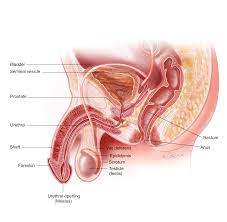
The prostate is a gland about the size of a walnut. It sits just below the bladder and wraps around the urethra, the tube that carries urine out of the body. Its main job is to produce fluid that nourishes and protects sperm.
As men age, the prostate often grows larger. Because it surrounds the urethra, this growth can squeeze the tube and slow the flow of urine. That is why urinary problems are so common in older men, and why they are often confused with cancer.
Why prostate cancer in Nigeria is often found late
Early prostate cancer usually causes no symptoms at all. By the time a man notices a problem, the cancer may already have grown beyond the gland. Several other factors add to the delay:
Many men believe that weak urine flow is a normal part of ageing
Fear of the rectal examination, or of losing sexual function after treatment
Cost of tests and travel to specialist centres
Treatment with herbs or “prostate tea” for many months before seeing a doctor
As a result, studies from Nigerian hospitals report that a large share of men are first diagnosed with advanced disease. Tackling prostate cancer in Nigeria therefore starts with earlier testing and honest conversations between men and their families.
Symptoms to watch for
When symptoms do appear, they often look like those of a harmless enlarged prostate. Nevertheless, see a doctor if you notice:
Needing to urinate often, especially at night
A weak or interrupted stream, or straining to start
A feeling that the bladder has not emptied fully
Blood in the urine or semen
New pain in the lower back, hips or ribs that does not settle
Unexplained weight loss and tiredness
Bone pain and weight loss can be signs that the cancer has spread. They need urgent attention.
Who is at higher risk?
The main risk factors for prostate cancer are:
Age. The risk rises sharply after 50.
Ethnicity. Black men have a higher risk than other groups.
Family history. Having a father or brother with prostate cancer roughly doubles the risk.
Inherited genes. Changes in the BRCA2 gene, also linked to breast cancer in families, raise the risk.
Because Black men face higher risk, many experts suggest that they discuss testing earlier, from around age 40 to 45. Men with a close relative who had prostate cancer should do the same.
The PSA test explained
PSA stands for prostate-specific antigen, a protein made by the prostate. A simple blood test measures how much is in the blood. A raised level can be a sign of cancer, but it can also rise because of an enlarged prostate, an infection, recent ejaculation or vigorous cycling.
This means the PSA test has strengths and limits. It can find cancer years before symptoms appear. However, it can also lead to worry and further tests for men who turn out not to have cancer, and it can find slow-growing cancers that would never have caused harm. That is why the NHS and other bodies advise men to talk through the pros and cons with a doctor first.
For the most accurate result, avoid ejaculation for 48 hours and vigorous exercise for 48 hours before the blood test. Also tell the doctor if you have a urine infection.
What happens after a raised PSA
A single raised result is not a diagnosis. Your doctor will usually repeat the test and examine the prostate by gently placing a gloved finger in the back passage. This digital rectal examination takes less than a minute. It feels uncomfortable but should not be painful.
If the doctor is still concerned, the next steps may include an MRI scan of the prostate and a biopsy. In a biopsy, thin needles take small samples of tissue. A laboratory then checks for cancer and gives it a grade, which shows how fast it is likely to grow.
Treatment options
Treatment for prostate cancer in Nigeria depends on the stage, the grade, your age and your general health.
Active surveillance means watching a small, slow-growing cancer with regular PSA tests and scans, and treating only if it changes. This avoids side effects for men who may never need treatment.
Surgery removes the whole prostate. It is mainly used when the cancer has not spread.
Radiotherapy uses high-energy rays to destroy cancer cells. It is available at several Nigerian treatment centres.
Hormone therapy 1 lowers testosterone, which prostate cancer needs to grow. It is given as injections, tablets or, less often, surgery to remove the testicles.
Chemotherapy and newer medicines are used when the cancer has spread or stops responding to hormone therapy.
Side effects can include leaking urine, erection problems, hot flushes and tiredness. Many of these improve with time or can be treated, so mention them to your team rather than suffering quietly.
Enlarged prostate or cancer?
Benign prostatic enlargement, often called BPH, is far more common than prostate cancer in Nigeria and elsewhere. It is not cancer and does not turn into cancer. However, the two conditions cause the same urinary symptoms and can exist together. That is why a doctor should examine you, rather than assuming that slow urine flow is “just age”.
Treatment for an enlarged prostate includes tablets that relax the prostate muscle, such as tamsulosin 2 , and tablets that slowly shrink the gland, such as finasteride 3 . Finasteride lowers the PSA level by about half. Always tell your doctor if you take it, so that your PSA result can be read correctly.
Both conditions are common after 50 and can exist together. Only tests can tell them apart.
Questions to ask your doctor
Going to an appointment with clear questions helps you get the information you need. Consider asking:
What is my PSA level, and is it normal for my age?
Do I need a repeat test, a scan or a biopsy?
If I have cancer, what stage and grade is it?
Is active surveillance an option for me?
What are the side effects of each treatment, and how common are they?
Where can I get treatment, and what will it cost?
Bring your partner or a trusted friend if you can, and write the answers down. Understanding prostate cancer in Nigeria, and your own options, puts you in control of your care.
HUBPHARM PHARMACIST’S NOTE Tamsulosin can cause dizziness when you stand up quickly, especially after the first dose, so many men take it at bedtime. Finasteride lowers your PSA reading. If you take either, send your prescription to a HubPharm pharmacist and we will explain what to tell your doctor before your next PSA test.
Living well during and after treatment
Hormone therapy can weaken bones and muscles and raise blood sugar and cholesterol. Regular walking, strength exercises and a balanced diet help to protect your body. Your doctor may also check your bone health and heart risk.
Talking matters too. Many men feel embarrassed about urinary or sexual side effects. Partners, support groups and trusted health workers can make a big difference.
Can diet and lifestyle help?
No food or supplement has been proven to prevent prostate cancer in Nigeria or anywhere else. Nevertheless, a healthy lifestyle supports your overall health and may lower the risk of aggressive disease. Eat plenty of vegetables, fruit, beans and whole grains, and limit red and processed meat. Keep a healthy weight, stay active and avoid smoking. Be cautious about “prostate cure” products sold in markets and online, which are often unregulated and may contain hidden medicines.
Getting help
If you are over 40, or younger with a family history, ask your doctor about a PSA test at your next visit. Do not wait for symptoms. For more on cancer topics, browse our cancer care articles. If you have questions about prostate medicines or your test results, message a HubPharm pharmacist or ask Afiya on WhatsApp. We will help you understand prostate cancer in Nigeria and your next steps.
Medicines and products in this article
#
Medicine or product
What to know
1
Hormone therapy for prostate cancer
Prescription only
Injections or tablets that lower testosterone. Bone, heart and blood sugar checks are part of follow-up.
2
Tamsulosin
Prescription only
Relaxes the prostate muscle to improve urine flow in an enlarged prostate. It can cause dizziness on standing.
3
Finasteride
Prescription only
Slowly shrinks an enlarged prostate over months. It lowers PSA by about half, which your doctor must know.
To order any of these, or to ask a pharmacist a question first, message HubPharm on WhatsApp or visit hubpharmafrica.com. Prescription medicines are supplied against a valid prescription.
Urinary Tract Infection Symptoms, Causes and Treatment A burning feeling when you pass urine is hard to ignore. Urinary tract infections, or UTIs, are among the most common bacterial infections, and at least half of all women will have one at some…
Diabetes in Nigeria: Why Blood Sugar Control Fails Diabetes in Nigeria does not usually fail in the clinic. Among people who reach a specialist and stay in care, control is often reasonable. It fails in the years before anyone tests you, and it…
Understanding Prostate Cancer: Symptoms, Diagnosis,… Prostate cancer is a type of cancer that develops in the prostate, a small gland in the male reproductive system. The prostate is located just below the bladder and surrounds the urethra, which carries urine…
Breast Cancer Screening in Nigeria: Where to Go and Costs Breast cancer screening in Nigeria confuses people for a simple reason: nobody tells you which test you need. A woman of 32 asks for a mammogram and is told she does not need one. A…