Ghana’s Upper West yellow fever outbreak is under control, a senior public health official has said, as the Ghana Association of Public Health Technical Officers (GAPHTO) warned of yellow fever and meningitis risks as the dry season begins, GhanaWeb and The Herald reported on 25 November.
“There is no cause for alarm. The outbreak is seriously under control,” said Justice Ofori Amoah, a GAPHTO member and Sekyere East Director of Health Services, speaking to Joy News, GhanaWeb reported.
How the Upper West yellow fever outbreak was handled
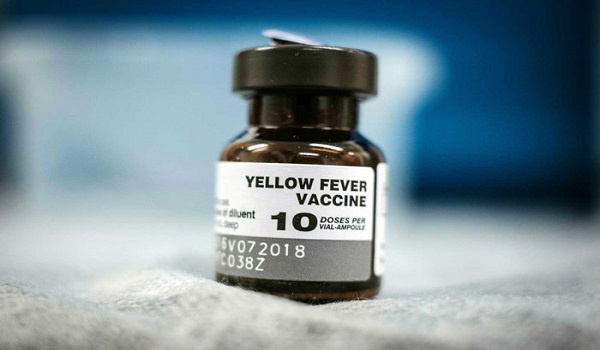
The Ministry of Health declared the Upper West yellow fever outbreak on 9 October, and a reactive vaccination campaign ran from 14 to 18 October in Sissala East, Sissala West, Wa West and other affected districts, The Herald reported.
Amoah said the outbreak “had been contained through the efforts of the government,” the Ministry of Health, the Ghana Health Service and partners. He called for continued surveillance, ongoing training for public health officers and early reporting of suspected cases. “Early reporting of any suspected case of yellow fever to the nearest health facility is very important,” he said.
The reports did not give case or death figures.
The Upper West yellow fever outbreak is the region’s latest public health emergency, in an area that also lies within the African meningitis belt and faces seasonal pressures in the dry season.
GAPHTO warnings
In a press release, GAPHTO said “sustained vigilance and active surveillance remain critical while awaiting laboratory confirmations,” The Herald reported. It urged people to wear long sleeves, use insect repellents and insecticide-treated nets and clear stagnant water around homes.
The association warned that “shifting climate patterns and rising dry-season heat prompt people to sleep outdoors unprotected,” increasing exposure to mosquito bites. It asked for stronger laboratory capacity and frontline resources, including fuel, motorbikes, sample-transport kits, protective equipment and allowances for public health officers.
GAPHTO reminded parents that yellow fever vaccine is given routinely at nine months, and advised that symptoms, “often mistaken for malaria,” should be reported promptly to a health facility, with people avoiding self-medication. Joseph Owusu Ansah is GAPHTO’s National President, according to The Herald.
As general background, public health technical officers carry out disease surveillance, case investigation, vaccination campaigns and community education, often travelling long distances on motorbikes to reach remote communities. Their request for fuel, transport and equipment reflects the practical needs of outbreak response in rural areas.
Meningitis risk
Amoah also raised concerns about cerebrospinal meningitis as Ghana enters the dry season, noting that the country lies within the African meningitis belt. The Ghana Health Service issued an alert last week warning that El Nino conditions could raise the risk of meningitis, heat exhaustion and dehydration in the northern regions.
As general background, meningitis outbreaks in the belt typically peak between January and May, when dry, dusty harmattan winds and crowded living conditions increase transmission. Early recognition of symptoms such as sudden fever, severe headache and a stiff neck, followed by prompt antibiotic treatment, saves lives.
The overlapping risks of the Upper West yellow fever outbreak and the meningitis season place pressure on health services in northern Ghana, where facilities are often far apart.
Communities are urged to support vaccination teams and report unusual illness quickly to local health workers, who can arrange laboratory testing and treatment. Travellers to the north should check that their own yellow fever vaccination is up to date.
About yellow fever
As general background, yellow fever is a viral disease spread by infected Aedes mosquitoes. Most people have mild symptoms such as fever, headache and muscle pain, but a minority develop a severe form with jaundice, bleeding and organ failure, which can be fatal. A single dose of vaccine provides lifelong protection for most people.
Outbreaks occur when the virus reaches communities with low vaccination coverage. Reactive campaigns aim to vaccinate everyone at risk quickly, while routine childhood vaccination and preventive campaigns protect populations over the long term.
Yellow fever has no specific cure, so treatment focuses on supportive care in hospital, including fluids and management of complications. Prevention through vaccination and mosquito control is therefore essential, as general background.
Travellers to and from Ghana must show proof of yellow fever vaccination. HealthCoach Africa’s infections hub explains how mosquito-borne and other infectious diseases spread and how they can be prevented. Continued vigilance will be needed to keep the Upper West yellow fever outbreak contained.
Why it matters: Yellow fever can kill, but one vaccine dose protects for life, so fast vaccination and reporting can stop outbreaks spreading.
Bacterial Meningitis Warning Signs: Act Within Hours Bacterial meningitis is a serious infection of the membranes that cover the brain and spinal cord. It can kill within hours and leave survivors with deafness, brain damage or limb loss. Northern Nigeria lies within…
Ghana Health Service Warns El Nino Could Raise… ACCRA, GHANA — The Ghana Health Service (GHS) has issued a Ghana El Nino health alert, warning that higher temperatures, long dry spells and more dust during the harmattan season could raise the risk of meningitis,…
National Council on Health Opens Technical Session… LAFIA, NIGERIA The 67th National Council on Health has opened its technical session in Lafia, Nasarawa State, with the state government urging health leaders to turn commitments into measurable results at the grassroots, Vanguard reported.…
Mental Health Challenges in Nigeria: Funding,… The World Health Organization (WHO) has consistently emphasized the critical importance of mental health, making it a global concern for the past three years through their World Mental Health Day themes. In 2021, the WHO…