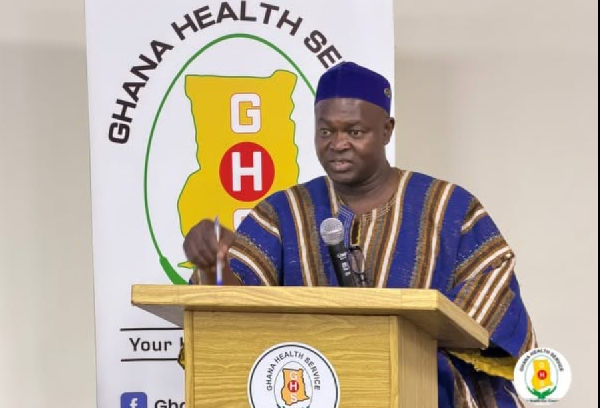
ACCRA, GHANA — The Ghana Health Service (GHS) has issued a Ghana El Nino health alert, warning that higher temperatures, long dry spells and more dust during the harmattan season could raise the risk of meningitis, heat exhaustion and dehydration, GhanaWeb reported on 18 November, citing The Herald.
In a press release dated 18 November and signed by Director-General Dr Samuel Kaba Akoriyea, the GHS said it had “issued a public health alert over anticipated health risks” linked to the El Nino climate phenomenon.
What the Ghana El Nino health alert says
The hot, dusty conditions could make people more vulnerable to respiratory infections and meningitis outbreaks as the harmattan progresses, the GHS said. It also flagged sudden rainfall and flooding in parts of southern Ghana as an additional concern.
The alert focuses on the Northern, Upper East, Upper West, Savannah, North East and Bono East regions, along with other vulnerable areas, according to the report.
The GHS stressed that El Nino “does not automatically mean Ghana will experience a meningitis outbreak,” but called for early preparedness. It urged parents, teachers, traditional and religious leaders, community groups and local governments to step up public education and preventive practices, and said it would continue to monitor the situation.
The El Nino health alert comes as Ghana enters the harmattan season, which typically runs from late November to March and brings dry, dusty winds from the Sahara.
Why the north is most at risk
As general background, northern Ghana lies within the African meningitis belt, a band of countries stretching from Senegal to Ethiopia where large outbreaks of bacterial meningitis occur during the dry season, usually from December to June. Dry, dusty harmattan winds are thought to irritate the lining of the nose and throat, making it easier for bacteria to invade.
Overcrowded and poorly ventilated living conditions, common in the hot season when people sleep indoors in close quarters, also help the bacteria spread through respiratory droplets.
Meningitis is an infection of the membranes around the brain and spinal cord. Symptoms include sudden fever, severe headache, stiff neck, vomiting, sensitivity to light and confusion. In infants, signs may include a bulging soft spot, poor feeding and irritability. Bacterial meningitis can kill within hours and can leave survivors with hearing loss, brain damage or limb loss.
As general background, El Nino is a periodic warming of the Pacific Ocean that affects weather patterns around the world. In West Africa it can bring hotter, drier conditions in some areas and heavy rains in others, which is why the El Nino health alert covers both heat and flooding.
Heat and dehydration
Heat exhaustion occurs when the body loses too much water and salt through sweating. Symptoms include heavy sweating, dizziness, headache, nausea and weakness. Without treatment, it can progress to heat stroke, a medical emergency.
Older people, young children, outdoor workers and people with chronic conditions such as heart disease, diabetes and kidney disease are most vulnerable. Some medicines, including diuretics, can increase the risk of dehydration, so patients on long-term treatment should ask a health worker or pharmacist for advice during heatwaves.
Flooding in southern Ghana brings different risks, including cholera and other waterborne diseases, injuries and the disruption of health services. Households in flood-prone areas are advised to store drinking water safely and keep essential medicines in a dry, accessible place.
How to stay safe
Health experts advise people to drink plenty of clean water, avoid strenuous activity in the hottest part of the day, wear light clothing, keep rooms ventilated and avoid overcrowded sleeping spaces where possible.
Anyone with sudden fever, severe headache and a stiff neck should seek care immediately, since early antibiotic treatment saves lives. Vaccination campaigns with meningococcal conjugate vaccines have greatly reduced some types of meningitis in the belt, and health authorities may use vaccines during outbreaks.
Health facilities in the northern regions are expected to review their stocks of antibiotics, test kits and other supplies ahead of the dry season, and community health workers play an important role in spotting cases early and referring them quickly.
Schools and boarding facilities are also advised to watch for sick students.
Ghana has faced meningitis outbreaks in its northern regions in past dry seasons. The Ghana El Nino health alert is intended to give communities and health facilities time to prepare before cases rise. HealthCoach Africa’s infections category covers how infectious diseases such as meningitis spread and can be prevented.
Why it matters: Hotter, dustier harmattan conditions could trigger meningitis outbreaks in northern Ghana, so early awareness and fast treatment can save lives.
Bacterial Meningitis Warning Signs: Act Within Hours Bacterial meningitis is a serious infection of the membranes that cover the brain and spinal cord. It can kill within hours and leave survivors with deafness, brain damage or limb loss. Northern Nigeria lies within…
Climate Crisis Is Now a Health Emergency of Pandemic… ANTALYA, TURKIYE The climate crisis health emergency has reached “pandemic proportions,” UN Climate Change Executive Secretary Simon Stiell said at the opening of the COP31 climate summit, as WHO Director-General Dr Tedros Adhanom Ghebreyesus warned…
COPD Symptoms and Treatment: Living Well With Lung Disease Chronic obstructive pulmonary disease, or COPD, is a long-term lung condition that makes breathing difficult. It is one of the leading causes of death worldwide. In Nigeria, it is often linked not only to smoking…
Climate Change Poses Severe Threat to Pregnant Women… Pregnant women, infants, and children are facing severe health risks due to climate catastrophes, demanding immediate attention, according to a recent Call for Action issued by United Nations (UN) agencies. The call comes ahead of…