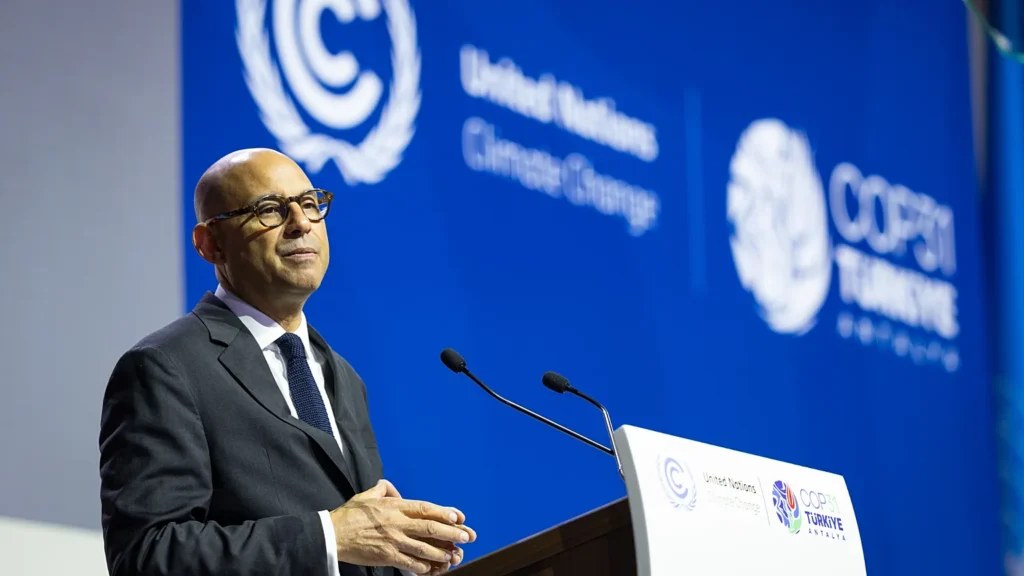
The climate crisis health emergency has reached “pandemic proportions,” UN Climate Change Executive Secretary Simon Stiell said at the opening of the COP31 climate summit, as WHO Director-General Dr Tedros Adhanom Ghebreyesus warned that climate change is already driving illness and disrupting health services, Euronews and Peoples Gazette reported on 9 November.
COP31 is being held in Antalya, Türkiye, from 9 to 20 November 2026. Burning fossil fuels and human-caused climate change are linked to an estimated 3.3 million deaths a year from outdoor air pollution and extreme heat, according to the Lancet Countdown 2026 report cited by Euronews.
“The climate crisis is now a global health crisis of pandemic proportions,” Stiell said. “Climate risk finds every vulnerability in a health system and widens it.”
How the climate crisis health emergency shows up
Climate-linked health threats include heat-related illness, wildfire smoke, malnutrition, injuries and changing risks of water- and vector-borne diseases such as cholera, malaria and dengue, Euronews reported. Stiell also pointed to disruptions such as power cuts and damage to water and sanitation services.
“Can clinics stay open through a heatwave?” he asked. “No health system can be made resilient to an endlessly warming world.”
A new World Meteorological Organization report published on 9 November says the past 12 years were the warmest on record, and the last four, including 2026, are the four warmest.
WHO’s three priorities
Speaking at the COP31 Health Day media conference, Tedros said climate change is driving illness, disrupting essential health services and exposing health workers to growing risks, according to the News Agency of Nigeria. He named heatwaves, floods, droughts, wildfires and air pollution as growing challenges for health facilities.
He set out three priorities: strengthening health systems against climate emergencies, turning existing plans into action and increasing investment in proven climate and health interventions. “Countries must develop resilient health facilities capable of maintaining operations during extreme heat, floods and storms,” he said.
“Ministries of health, finance, environment and energy must jointly plan and allocate resources,” Tedros added. He identified inadequate financing, capacity and coordination as major obstacles and urged negotiators to make health an explicit consideration in climate decisions.
WHO is promoting an Antalya Initiative for Health Resilience to document successful interventions and share knowledge, alongside its Alliance for Transformative Action on Climate and Health (ATACH). Tedros described the Belém Health Action Plan, agreed at the previous COP, as an important framework.
Health groups have long argued that the climate crisis health emergency deserves a central place in climate negotiations, since protecting health is one of the most direct ways to show the benefits of cutting emissions and investing in adaptation.
What it means for Africa
Neither report gave Africa-specific figures, but African countries are among the most exposed to climate-related health risks. Nigeria faces some of the world’s highest projected heat mortality this season, according to researchers at the University of Chicago’s Climate Impact Lab, and floods in North-Central Nigeria have left families battling malaria and typhoid in recent weeks.
Health facilities in Africa often lack reliable power, water and cooling, which makes them vulnerable during heatwaves and floods. Solar power, water storage, cool roofs and early warning systems can help clinics keep running.
Changing rainfall and temperatures are also shifting where diseases occur. Malaria, dengue and cholera outbreaks can follow floods or droughts, and longer warm seasons can expand the range of mosquitoes. Surveillance systems that combine weather and health data can help authorities prepare.
Heat also worsens chronic conditions. People with heart disease, kidney disease, diabetes and high blood pressure are at higher risk during heatwaves, and some medicines become less stable in high temperatures, which matters for pharmacies and clinics without cooling.
WHO said last week that six climate and health measures, including heat-health warning systems, climate-resilient drinking water, sanitation, hygiene and cleaner cooking fuels, could prevent 1.6 million deaths a year.
Heat-health warning systems alone return an estimated 835 US dollars in benefits for every dollar invested, according to the WHO report.
Climate finance remains a sticking point. African countries have called for more funding for adaptation, including health, arguing that they contribute little to global emissions but bear a heavy share of the impacts. How COP31 addresses the climate crisis health emergency will shape funding for resilient health systems across the continent.
For African health ministries, the practical test will be whether climate funds reach clinics, water systems and surveillance, rather than staying in energy and infrastructure projects alone.
Why it matters: Heat, floods and disease outbreaks are already straining African clinics, so climate finance must reach health systems directly.
Researchers Warn of Heat Deaths as South Africa… JOHANNESBURG, SOUTH AFRICA — Extreme atmospheric temperatures driven by a powerful El Niño event could lead to approximately 1,200 additional heat deaths in south africa between September 2026 and February 2027, according to projections from…
Global Health Headlines: COP28 Breaks Ground with… Stay informed with the week's top health stories, from COP28's landmark Health Day to breakthroughs in gene therapy. COP28 Pioneers Health Day Amid Climate Talks: COP28, the climate conference, marked a historic moment with its…
Nigeria Faces Extreme Heat Risk as NiMet Warns of… LAGOS, NIGERIA — As nigeria faces extreme heat risks driven by a global Super El Niño weather cycle, public health authorities and meteorologists have issued urgent advisories to mitigate rising mortality and chronic disease complications.…
COPD Symptoms and Treatment: Living Well With Lung Disease Chronic obstructive pulmonary disease, or COPD, is a long-term lung condition that makes breathing difficult. It is one of the leading causes of death worldwide. In Nigeria, it is often linked not only to smoking…