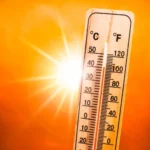
JOHANNESBURG, SOUTH AFRICA — Extreme atmospheric temperatures driven by a powerful El Niño event could lead to approximately 1,200 additional heat deaths in south africa between September 2026 and February 2027, according to projections from the Climate Impact Lab cited by Daily Maverick.The projected domestic surge forms part of a broader global mortality forecast estimating over 450,000 additional heat-related fatalities worldwide during the same six-month period as human-induced global warming intensifies seasonal El Niño weather patterns.
The South African Weather Service issued official extreme heat warnings in mid-October 2026, prompting demographers and clinical researchers at the Wits Reproductive Health and HIV Institute (Wits RHI) to urge immediate heat-health preparedness across informal settlements, outpatient clinics, and vulnerable households nationwide.
Mortality Projections and Heat Deaths in South Africa
Data published by global climate modeling groups and local research institutes highlights the growing clinical risk posed by extreme heat exposure across South Africa:
Indicator Category
Global & Regional Heat Impact Projections
Projected Domestic Mortality
~1,200 additional heat deaths in South Africa (Sept 2026 – Feb 2027)
Global Heat Mortality Estimate
>450,000 additional heat-related deaths worldwide over the same period
Informal Housing Thermal Shift
3°C to 5°C hotter inside corrugated-iron homes compared to outdoor air
Primary Clinical Emergency
Progression from heat exhaustion to thermoregulatory failure and heat stroke
Physiological Mechanics and Vulnerability to Heat Deaths in South Africa
Understanding physiological thermal boundaries remains essential to preventing heat deaths in south africa as seasonal temperatures rise:
Thermoregulatory Failure Thresholds: Prolonged exposure to high ambient temperatures impairs human sweating mechanisms, causing internal body temperatures to spike dangerously and leading to acute heat stroke.
Amplified Thermal Trapping: Residents living in corrugated-iron structures within informal settlements experience indoor temperatures up to 5°C higher than ambient outdoor readings, compounding heat exhaustion risks.
Cardiovascular and Renal Strain: High thermal stress places severe demand on cardiac output, drastically increasing emergency hospitalizations for individuals with pre-existing heart disease, hypertension, or diabetes.
Vulnerable Demographics, Medication Risks, and Clinic Interventions
Heat-related illness falls disproportionately on specific high-risk groups, including elderly individuals, infants, pregnant women, outdoor laborers, and patients managing chronic health conditions. Furthermore, common prescription medications exacerbate vulnerability during heatwaves. Antihypertensive diuretics accelerate systemic dehydration, while specific psychiatric medications disrupt the brain’s central temperature regulation center. Pharmacists and primary care providers recommend that chronic disease patients maintain adequate hydration, avoid direct midday sun exposure, and review their drug regimens with healthcare workers during hot spells.
To mitigate risks, Wits RHI has piloted one-hour clinical training modules on heat health for primary healthcare workers. The institute has also distributed protective kits—containing water bottles, fans, and wide-brimmed umbrella hats—to pregnant women while co-developing a mobile application providing real-time daily heat advisories.
Health Facility Cold Chains, Community Support, and Warning Signs
Extreme heat also threatens essential health service delivery. Vaccines, diagnostic kits, and temperature-sensitive pharmaceuticals require strict cold chain management, posing severe storage challenges for rural clinics lacking air conditioning or backup power generators during grid instability.
Recognizing early warning signs—including heavy sweating, headache, dizziness, nausea, rapid heart rate, and mental confusion—can prevent fatal outcomes. Anyone who stops sweating, exhibits severe confusion, or collapses requires immediate emergency medical transport. Public health advocates urge neighbors and families to conduct regular wellness checks on elderly relatives during active heatwaves to prevent avoidable heat deaths.
Why It Matters: Extreme heat endangers vulnerable populations and chronic disease patients; simple public health interventions, daily hydration, and community check-ins can prevent hundreds of heat-related deaths.
Nigeria Faces Extreme Heat Risk as NiMet Warns of… LAGOS, NIGERIA — As nigeria faces extreme heat risks driven by a global Super El Niño weather cycle, public health authorities and meteorologists have issued urgent advisories to mitigate rising mortality and chronic disease complications.…
A Looming Public Health Crisis: Climate Change and Malaria Climate change is no longer a distant threat—it is a present reality reshaping health outcomes across Africa. Rising temperatures, shifting rainfall patterns, and extreme weather events are creating the perfect breeding ground for mosquitoes, the…
Climate Change Poses Severe Threat to Pregnant Women… Pregnant women, infants, and children are facing severe health risks due to climate catastrophes, demanding immediate attention, according to a recent Call for Action issued by United Nations (UN) agencies. The call comes ahead of…
Global Health Community Urges Immediate Action on… In anticipation of COP28, the World Health Organization (WHO) and the global health community are rallying for heightened attention to the profound impact of climate change on global health. As the world braces for negotiations…