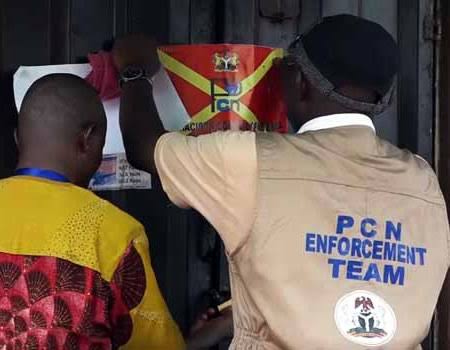
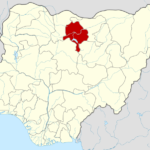
The Pharmacy Council of Nigeria has sealed 430 medicine outlets in Yobe State for regulatory breaches, comprising 20 pharmacies, 110 patent medicine stores and 300 unregistered outlets, following an enforcement exercise across the state. Action taken as the pharmacy council seals outlets protects public safety from illicit and unregulated drug vendors.
Inspection Breakdown and Non-Compliance Statistics
Suleiman S. Chiroma, head of the council’s enforcement department, said 601 premises were inspected in total, made up of 34 pharmacies, 267 patent medicine stores and 300 unregistered outlets. “Of the 601 premises inspected during the exercise, 50 per cent were found to be operating illegally,” he said.
Regulatory Breaches Driving Facility Closures
Chiroma said “illegal premises accounted for 70 per cent of all facilities sealed due to one or more regulatory breaches.” Pharmanews reported that 41 per cent of inspected pharmacies were in full compliance with regulatory standards, against 63 per cent of patent medicine vendor outlets, and that pharmacies made up only 6 per cent of the 601 premises visited. The council issued 21 compliance directives as the pharmacy council seals outlets failing safety checks.
National Enforcement Strategy Against Counterfeit Drugs
The exercise is part of the council’s continuing national enforcement drive against unregistered medicine sellers, a channel regulators link to substandard and falsified products entering the retail chain. Continued vigilance where the pharmacy council seals outlets helps eliminate counterfeit pharmaceutical distribution networks.
Supply Chain Integrity and Patient Safety Impact
Half of inspected medicine premises in Yobe were operating illegally, a distribution gap that shapes what patients actually swallow.
Frequently Asked Questions
Why are unregistered patent medicine vendors considered a major public health risk? Unregistered vendors operate outside statutory oversight, often lacking proper storage conditions, clinical training, or verified sourcing, which leads to the circulation of expired, substandard, or counterfeit medicines.
How can consumers verify if a retail pharmacy or medicine store is legally registered? Consumers should look for the official Pharmacy Council of Nigeria registration license and current annual operating certificate displayed within the premises, or request official verification credentials from the operating pharmacist or vendor.
Patent Medicine Stores in Nigeria's Kano Banned From… KANO, NIGERIA. The Kano State Private Health Institutions Management Agency has banned patent medicine stores in the state from administering intravenous fluids or carrying out blood transfusions, saying the outlets are not authorised to perform…
7 Tips for Staying Healthy During the Holidays The yuletide period is here. A lot of family will be celebrating the Christmas and New year celebration. So, there will be a lot of delicacies for the taste buds. However, we still need to…
Drug Safety in Africa: The Power of Pharmacovigilance Access to medicines is vital for saving lives, but ensuring that those medicines are safe, effective, and of high quality is equally important. Across Africa, drug safety remains a major concern, with counterfeit, substandard, and…
Regulatory Affairs Manager at MeCure Healthcare,… The MeCure Healthcare Regulatory Affairs Manager position offers an outstanding career path for pharmacists specializing in NAFDAC product registration dossiers, regulatory compliance, and Good Manufacturing Practice (GMP) standards. MeCure Healthcare Regulatory Affairs Manager Vacancy Overview…