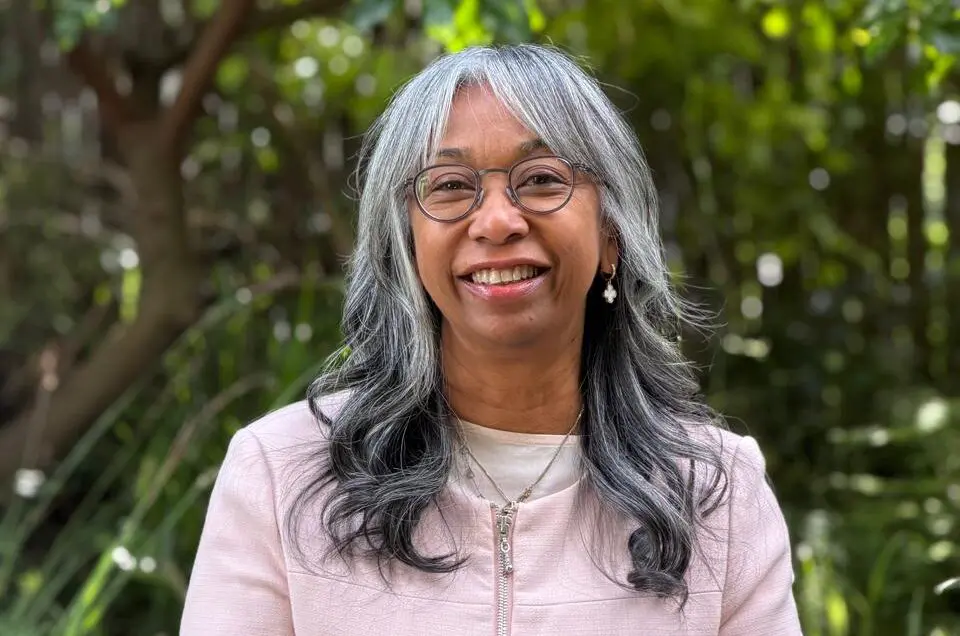
CAPE TOWN, SOUTH AFRICA. Professor Liesl Zühlke has been named the 2026 laureate for Africa and the Arab States in the L’Oréal-UNESCO For Women in Science International Awards for her work on childhood heart disease, Spotlight reported on Aug. 18.
Zühlke is vice-president of the South African Medical Research Council, director of the Children’s Heart Disease Research Unit at Red Cross War Memorial Children’s Hospital and the University of Cape Town, and a paediatric cardiologist. The citation credited her with “combining cutting-edge science with social justice” and with “turning the fight against childhood heart disease into a public policy priority.”
In 2019 she became the first woman in South Africa appointed a full professor in paediatric cardiology. Her doctorate, completed in 2015, examined outcomes in asymptomatic and symptomatic rheumatic heart disease under the supervision of the late Professor Bongani Mayosi, whom she describes as her “academic father.”
Childhood heart disease gaps persist in two provinces
Zühlke told Spotlight that congenital heart disease affects one in 50 children and sits among the top five killers of children. She said the Northern Cape and Mpumalanga have no paediatric cardiologist. “Sadly, people are dying without even knowing they had heart disease,” she said.
She said rheumatic heart disease, which follows untreated Streptococcus pyogenes infection mainly in children aged five to fifteen, is preventable and that its persistence is “unethical.” She is pressing for pulse oximetry screening of newborns before discharge, a step that would catch childhood heart disease earlier, with a view to adding it to the Road to Health Booklet.
Why it matters: Recognition at this level strengthens the case for funding newborn screening and paediatric cardiology posts across underserved provinces.
Gates Cambridge Scholarship 2027 2028 Applications… Securing postgraduate funding for advanced health research or global health policy at the University of Cambridge is one of the most impactful milestones for international medical, clinical, and public health scholars. The Gates Cambridge Scholarship…
University of Pretoria Mastercard Foundation… The University of Pretoria Mastercard Foundation Scholars Program represents one of the most comprehensive equity-driven funding mechanisms on the African continent. Explicitly designed to dismantle structural barriers in higher education, the program prioritizes academically gifted…
WHO AFRO TDR Impact Grants 2026 Open for African Researchers Establishing an independent research track record is a critical milestone for early-career health scholars across Africa. The WHO AFRO Impact Grants 2026 program—a joint initiative between the World Health Organization Regional Office for Africa and…
UK Government Opens Chevening Scholarship 2027 2028… Advancing your career through a top-tier master's degree in the United Kingdom without accumulating personal debt is a transformative step for African health leaders. The Chevening Scholarship 2027 2028 Health Applicants pathway offers full financial…