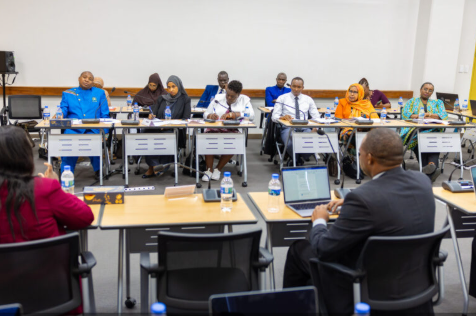
KIGALI, RWANDA — Legislators from the East African Legislative Assembly (EALA) are calling for stronger local oversight over medical procurement. Following a parliamentary mission to Kigali, legislators outlined how local oversight of east african medical supplies can secure pharmaceutical supply chains after identifying a potential $94 million joint procurement pipeline for member states.
According to KT Press, EALA’s Committee on General Purpose visited the Regional Centre of Excellence for Vaccines, Immunization and Health Supply Chain Management. Centre Director John Patrick Mwesigye noted that COVID-19 exposed severe vulnerabilities in globalized distribution networks. Committee Chair David Ole Sankok led the delegation, which included Fidelis Mironko, Permanent Secretary at Rwanda’s Ministry of Foreign Affairs, and EALA member Ilham Ali Gasser.
Regional Health Supply Chain Capacity & Framework
Strategic developments supporting East Africa’s health sovereignty initiative include:
Capacity / Strategy Pillar
Programmatic Achievement & Scope
Specialist Training Workforce
Nearly 500 Master’s graduates and 3,000+ short-course trainees
Joint Procurement Target
$94 million in medical commodities identified for pooled buying
Strategic Pillars
Specialized training, unified purchasing, and domestic financing
Host Institution
Regional Centre of Excellence (University of Rwanda, Kigali)
Procurement Strategy for East African Medical Supplies
Securing a stable supply of east african medical supplies aims to reduce reliance on external aid donors and fluctuating international supply lines. Pooled procurement allows smaller East African Community (EAC) member states to negotiate bulk purchases collectively, driving down unit costs while improving supplier reliability.
However, operational success depends heavily on harmonizing regulatory standards across member nations. Similar regional procurement models often encounter delays when national drug regulators insist on separate product registrations, payment settlements stall, or domestic manufacturing lobbies oppose unified standards. Securing direct financial commitments from EAC partner states remains vital to creating a self-sustaining medical supply network.
Why It Matters: Pooled buying can significantly cut drug prices for smaller East African countries, provided member states maintain domestic funding and align regulatory approvals.
Ghana MP Demands Proof of Ebola Preparedness, Urges… ACCRA, GHANA — Challenging health authorities to demonstrate operational readiness following regional outbreak reports, ghana mp demands proof of biosecurity preparedness and transparent accounts of health emergency allocations. In a formal press statement issued in…
African Legislators Unite in Support of Robust… Accra, Ghana – November 10, 2023 – In an unprecedented gathering, African lawmakers convened for the continent's inaugural parliamentary meeting on health security. The consensus reached during the 8–10 November 2023 meeting in Accra focused…
KFHRF Recruits Clinical Pathologists for Teaching… Finding competitive health opportunities is essential for medical specialists seeking dual clinical and academic appointments in sub-Saharan Africa. The KFHRF Clinical Pathologist Kigali openings represent a high-leverage entry into Rwanda's health system, combining specialist diagnostic…
SA GEMS Probe: Parliament Examines Principal Officer… CAPE TOWN, SOUTH AFRICA — The ongoing SA GEMS probe enters a crucial phase as South African lawmakers prepare a joint parliamentary committee sitting to investigate the precautionary suspension of Stan Moloabi, Principal Officer of…