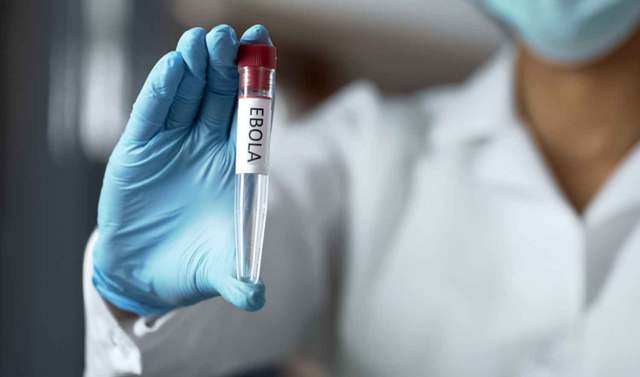
ACCRA, GHANA — The Ministry of Health (MoH) has activated heightened biosecurity surveillance, declaring that ghana steps up airport ebola screening across all ports of entry following confirmed viral importations in Kenya and Nigeria. Disclosing the emergency measures through Public Relations Officer Tony Goodman, health authorities reassured the public that Ghana maintains zero confirmed Ebola cases, framing the proactive measures as an essential defense against regional travel corridors linking Accra to active transmission hubs.
The policy shift follows Kenya’s confirmation of nine cases linked to an imported Bundibugyo Ebola virus strain originating from the Democratic Republic of the Congo (DRC), alongside Nigeria’s diagnosis of an imported case in Abuja.
Operational Benchmarks for Ghana Steps Up Airport Ebola Screening
Data released by the Ministry of Health, Ghana Airports Company Limited, and public health institutes outline the regional risk profile and airport containment protocols:
Biosecurity Category
Regional Public Health & Border Benchmarks
National Infection Status
Zero confirmed cases recorded across Ghana
High-Risk Travel Corridors
Direct Nairobi–Accra & Lagos–Accra flights identified as high-volume risks
Active Passenger Monitoring
21-day health tracking mandated for arrivals from high-risk zones
Institutional Exercise Sites
Simulation drills completed at Kotoka Airport & Ghana Infectious Disease Centre
Technical Mechanics: Ghana Steps Up Airport Ebola Screening
Understanding the biological and logistical drivers behind why ghana steps up airport ebola screening highlights key public health principles:
Evaluating Direct Transit Corridors: Because high-capacity direct flights connect Accra’s Kotoka International Airport to Nairobi and Lagos, Ghana faces significantly higher passenger travel volumes from regional hubs than directly from the primary DRC outbreak epicenter.
21-Day Symptomatic Monitoring Windows: The Bundibugyo ebolavirus exhibits an incubation period ranging from 2 to 21 days (averaging 8 to 10 days). Arriving passengers from high-risk destinations undergo mandatory health registration and daily monitoring throughout the 21-day window.
Non-Airborne Transmission Protocols: Public health education at entry points emphasizes that Ebola spreads exclusively through direct contact with blood, bodily fluids, or contaminated materials of symptomatic individuals. Asymptomatic travelers do not transmit the virus, preventing unnecessary public panic.
Airport Simulation Drills, Laboratory Capacity, and Healthcare Preparedness
To validate operational readiness, health officials executed comprehensive multi-agency simulation exercises at Kotoka International Airport and the Ghana Infectious Disease Centre (GIDC). These drills tested thermal scanning efficiency, physical isolation workflows for febrile passengers, safe transport logistics, and immediate contact tracing notifications.
In parallel, the Ministry updated laboratory standard operating procedures (SOPs) for viral hemorrhagic fever testing and issued clinical guidance circulars to frontline doctors, nurses, and triage staff across public and private hospitals nationwide.
Regional Coordination, Public Hygiene, and System Outlook
Ghana’s heightened border measures align with broader ECOWAS initiatives coordinated by the West African Health Organization (WAHO), which recently briefed national public health institute directors across West Africa to harmonize entry point screening.
Ministry officials urge citizens to maintain regular hand hygiene, avoid unverified social media rumors, and report unexplained high fever, severe fatigue, vomiting, or bleeding to health authorities. While airport screening serves as the primary barrier, the ultimate success of ghana steps up airport ebola screening efforts relies on frontline hospital staff maintaining a high index of suspicion to isolate suspected clinical cases rapidly.
Why It Matters: Direct flight connections link Accra to both Nairobi and Lagos; establishing early detection at airports and emergency triage wards serves as Ghana’s vital first line of defense against regional outbreak importations.
DRC Launches First Bundibugyo Ebola Vaccine Trial BUNIA, DR CONGO — As the drc launches first bundibugyo Ebola vaccine trial to evaluate protective candidates, public health authorities have administered the initial doses in Bunia, eastern Democratic Republic of the Congo (DRC). Named…
Nigeria Screens Travellers for Ebola as DR Congo… ABUJA, NIGERIA — Implementing strict nigeria ebola screening travel directives, health authorities now require passengers arriving from four countries with active virus transmission to complete an online health declaration and undergo 21 days of post-arrival…
Nigeria Steps Up Ebola Watch After Kenya Confirms… ABUJA, NIGERIA — The Nigeria Centre for Disease Control and Prevention (NCDC) has heightened national surveillance following the confirmation of an imported Ebola case in Kenya. While no confirmed cases of nigeria ebola surveillance breaches…
Nigeria Activates Ebola Incident Plan as Uganda… ABUJA, NIGERIA — The Nigeria Centre for Disease Control and Prevention (NCDC) has officially activated an Incident Management System (IMS) and convened its first Incident Management Meeting after nigeria activates ebola incident plan protocols to…