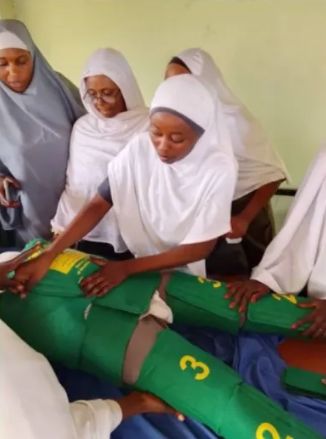
KADUNA, NIGERIA — Primary health centres across Kaduna State successfully treated 192 cases of postpartum hemorrhage without recording a single maternal death over a nine-month period. Under a innovative task-shifting initiative, lower-cadre health workers are trained to treat severe obstetric bleeding directly at community facilities rather than immediately transferring critical patients to distant secondary hospitals.
According to a special report published by Premium Times, the project spans 77 primary healthcare facilities across nine local government areas, including Kaduna North, Igabi, Sabon Gari, and Zangon Kataf. Supported by Pathfinder International and Impact Catalysts, the task-sharing framework equips frontline community health extension workers to deliver immediate clinical care during obstetric emergencies.
Programmatic Outcomes Across Primary Health Centers
Clinical performance metrics recorded across participating facilities between October 2025 and June 2026 include:
Operational Metric
Program Achievement & Scope
Participating Health Centers
77 primary healthcare centers across 9 Kaduna LGAs
Total Deliveries Attended
4,337 births managed by trained primary care staff
Hemorrhage Cases Managed
192 cases treated on-site with zero maternal deaths
Transforming Emergency Maternal Care at Kaduna Primary Health Centres
Equipping frontline staff at kaduna primary health centres addresses the leading direct cause of maternal mortality in Nigeria. Postpartum hemorrhage can prove fatal within hours of childbirth. Traditional emergency management relying on distant hospital referrals often fails due to high transportation expenses, transit delays, and remote rural geography.
Task-shifting reverses this limitation by authorising trained midwives and community health extension workers to administer uterotonic medications, perform uterine massage, and begin fluid resuscitation immediately. Ongoing clinical mentorship provided by experienced senior midwives ensures skill retention, helping kaduna primary health centres stabilize patients rapidly while reserving hospital referrals solely for complex, non-responsive cases.
Why It Matters: Training frontline health workers to manage excessive bleeding immediately prevents life-threatening delays caused by emergency hospital transfers.
Murang’a Health Workers Rally Against Postpartum… MURANG’A, KENYA — Mobilizing community action to save maternal lives, murang'a health workers rally against postpartum hemorrhage through a 10-kilometer awareness run and urgent blood donation drive. The event, hosted at Murang’a County Referral Hospital…
Kaduna Last-Mile Medicine Delivery Reaches 1,000 Facilities KADUNA, NIGERIA — As kaduna last-mile medicine delivery reaches over 1,000 health facilities statewide, Kaduna State’s integrated supply chain system has dramatically cut logistics costs and doubled monthly family planning access. Unveiled during a project…
UNFPA Supports Treatment of 104 VVF Patients in Kaduna The United Nations Population Fund (UNFPA) has provided crucial support for the treatment of 104 patients suffering from Vesico Vaginal Fistula (VVF) in Kaduna State. VVF, also known as obstetric fistula, is a distressing condition…
Nigeria Accounts for a Quarter of Global Maternal… ABUJA, NIGERIA — Nigeria accounts for at least 25 per cent of maternal deaths recorded worldwide, and one in 22 Nigerian women risks dying in pregnancy or childbirth, a United Nations official said, underlining the…