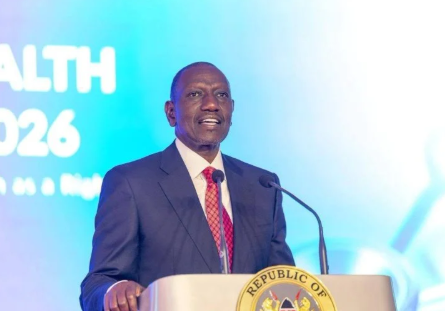
NAIROBI, KENYA — Kenya’s 2026 Health Summit brought together government officials, healthcare sector leaders, international partners, and civil society to discuss universal health coverage progress and address system challenges impeding healthcare access across the nation. The convening showcased innovations in service delivery and financing mechanisms while identifying policy priorities requiring sustained political commitment.
Summit participants included the Ministry of Health, World Health Organization representatives, healthcare professional associations, and implementing partners supporting Kenya’s health programmes. Technical sessions addressed maternal and child health progress, infectious disease control strategies, and health workforce development challenges. Plenary discussions examined health financing sustainability and equitable resource distribution across Kenya’s geographic regions.
Summit Focus Areas & Policy Priorities
The multi-stakeholder convening outlined core strategic benchmarks to guide national implementation:
Parameter / Metric
Operational Standard & Target
Primary Goal
Universal health coverage expansion
Key Conveners
Ministry of Health, WHO, Amref, Civil Society
Core Tracks
Maternal care, infectious disease, workforce, digital health
Maternal and child health presentations highlighted progress reducing maternal mortality ratios, though significant disparities persisted between county-level health systems. Evidence-based interventions including skilled birth attendance expansion and emergency obstetric care strengthening demonstrated impact pathways requiring consistent resources and political prioritization. Healthcare worker retention strategies addressed staff turnover in rural facilities limiting service continuity.
Infectious disease control updates described ongoing HIV, tuberculosis, and malaria control progress, acknowledging that elimination targets required intensified efforts in high-burden areas. Test-treat-prevent strategies showed promise in reducing disease incidence when implemented with adequate healthcare worker capacity. Digital health innovations improved adherence monitoring and patient follow-up for individuals receiving long-term treatment.
Sustainable Financing & Digital Health Platforms
Health system financing presentations examined sustainable financing mechanisms supporting universal health coverage progress. Insurance scheme performance was analyzed, with recognition that improved coverage requires both population enrollment expansion and benefit package sustainability. User fee elimination strategies for vulnerable populations were debated, balancing equity imperatives with facility revenue sustainability.
Healthcare workforce capacity remained a persistent challenge recognized across summit sessions. Training capacity constraints limited nursing and clinical officer production, while geographic maldistribution concentrated providers in urban areas. Incentive mechanisms and policy reforms aimed at improving rural healthcare worker retention and specialist service distribution were proposed.
Digital health platform presentations demonstrated potential for electronic health records, telemedicine capacity, and surveillance system integration. Mobile health applications supported maternal health follow-up and chronic disease monitoring, improving service continuity in dispersed communities. Implementation challenges including infrastructure limitations and healthcare worker digital literacy were acknowledged as requiring sustained technical support.
International health agenda items included pandemic preparedness strengthening and cross-border disease surveillance coordination. Regional health cooperation frameworks enabled knowledge exchange and resource sharing addressing diseases affecting multiple East African nations. Technical assistance partnerships strengthened Kenya’s capacity for health policy development and implementation monitoring.
Why It Matters: Healthcare sector leadership convening advances universal health coverage progress through evidence-based strategy development and sustained political commitment to health system strengthening priorities.
Mental Health Challenges in Nigeria: Funding,… The World Health Organization (WHO) has consistently emphasized the critical importance of mental health, making it a global concern for the past three years through their World Mental Health Day themes. In 2021, the WHO…
Healthy FIFA World Cup Qatar 2022; Creating a Legacy… With Qatar soon to take the centre stage of world sports, the World Health Organization and the Qatar Ministry of Public Health are driving efforts to help make this year’s celebration of football, the “world’s…
Strategies to strengthen infrastructural development… Across the continent, health infrastructure is unevenly distributed, with major gaps in the coverage of rural areas and often of poor quality. A third of Africans live more than two hours away from health services,…
Empowering Nigeria's Health System Through… The Federal Government has underscored the critical role of partnering with the private sector in fortifying the nation's health system, ultimately steering Nigeria toward the achievement of Universal Health Coverage (UHC) and Sustainable Development Goals…