LAGOS, NIGERIA — Expanding public sector healthcare access and setting a precedent for subnational health policy across West Africa, lagos certifies 63 gvt agencies that have fully complied with the state’s mandatory health insurance directives.
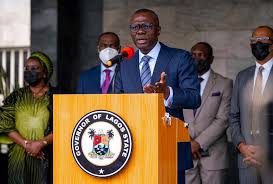
The Certificates of Compliance were formally presented in Lagos by the Head of Service, Bode Agoro, alongside Dr. Emmanuella Zamba, Permanent Secretary of the Lagos State Health Management Agency (LASHMA), the state organ charged with administering the flagship Ilera Eko health scheme.
“History is being made today as these 63 MDAs will be recognised and presented with Certificates of Compliance. No State in the country has ever done this,” Agoro declared during the presentation ceremony, as reported by ThisDay.
The official certification ceremony reflects a major structural push by the Lagos State Government to replace voluntary health insurance models—which have historically generated low coverage rates across Nigeria—with an enforceable, compulsory framework across both public and private sectors.
How Lagos Certifies 63 Gvt Agencies for Health Insurance Compliance
As lagos certifies 63 gvt agencies across core government ministries, departments, and extra-ministerial bodies, compliance evaluations demonstrate steady public sector integration:
Successfully fulfilled all four core mandate requirements established under the Executive Order.
Secondary Review
21 MDAs achieved full compliance
Expanded institutional compliance following targeted internal administrative audits.
Certified Target
63 MDAs formally recognized
Selected for formal presentation of Certificates of Compliance during the inaugural ceremony.
Non-Compliant Deadline
November 30, 2026
Outstanding state agencies must finalize full staff enrollment and operational integration
Key Requirements of the Mandatory Health Insurance Mandate
The public sector certification framework directly enforces the provisions of an Executive Order signed by Governor Babajide Sanwo-Olu on July 16, 2024. To achieve full certification and receive a Certificate of Compliance, public agencies must fulfill four mandatory operational conditions designed to embed health insurance into everyday civil service operations.
First, public agencies must verify that residents accessing state government services present valid proof of Ilera Eko enrollment. Second, agencies must ensure total enrollment across their entire workforce, including non-pensionable employees, contract personnel, and casual workers outside the state’s central Oracle payroll platform. Third, official MDA websites must feature direct links to the LASHMA portal. Finally, agencies must allocate dedicated physical office space for LASHMA personnel to verify real-time insurance status on-site.
By establishing an annual Ilera Eko premium of ₦15,000, state authorities aim to create an affordable, universal entry point into formal healthcare for public servants and residents alike.
Capital Flow, Provider Capacity, and Systemic Enforcement Challenges
State health policy experts note that as lagos certifies 63 gvt agencies to model public sector compliance, linking access to government services with health insurance serves as one of the few effective enforcement levers available to subnational governments. By leveraging its extensive public workforce as a baseline subscriber pool, Lagos State is establishing a stable risk pool before extending strict compliance checks to broader commercial enterprises and private citizens.
However, healthcare analysts and civil society advocates stress that expanding subscriber numbers is only one half of the equation. The long-term sustainability of the compulsory model depends heavily on whether newly enrolled public servants can reliably access high-quality clinical care at accredited primary and secondary facilities.
To maintain health system integrity, accredited hospitals and private clinics must receive prompt capitation and fee-for-service reimbursements from LASHMA. Delayed payments risk prompting healthcare providers to reject insured patients or demand out-of-pocket top-ups, which would undermine public trust in the Ilera Eko brand.
With Nigerian states allocating an average of just 5.2 percent of their annual budgets to public health—far below international benchmarks—the Lagos experiment is being watched closely across the country. As the state tests whether administrative mandates can deliver near-universal coverage across Africa’s most populous urban hub, success in Lagos could accelerate similar compulsory health insurance legislation across other Nigerian states ahead of the 2027 general elections.
Why It Matters: Tying public service access to compulsory health insurance tests whether state-level administrative mandates can effectively eliminate out-of-pocket healthcare expenses and achieve near-universal health coverage across urban Africa.
Lagos Works to Harmonize Health Scheme Law with NHIA… In a concerted effort to enhance the health insurance landscape within Lagos, the Lagos State Health Scheme Law is currently undergoing a comprehensive review. The objective behind this initiative is to ensure that the Lagos…
Mental Health Challenges in Nigeria: Funding,… The World Health Organization (WHO) has consistently emphasized the critical importance of mental health, making it a global concern for the past three years through their World Mental Health Day themes. In 2021, the WHO…
Lagos Mandatory Health Insurance Expanded LAGOS, NIGERIA — Reaffirming its commitment to universal healthcare, state officials have announced that lagos mandatory health insurance regulations will be strictly enforced alongside a subsidized annual premium of ₦15,000 per resident for the state-backed…
Strategies to strengthen infrastructural development… Across the continent, health infrastructure is unevenly distributed, with major gaps in the coverage of rural areas and often of poor quality. A third of Africans live more than two hours away from health services,…