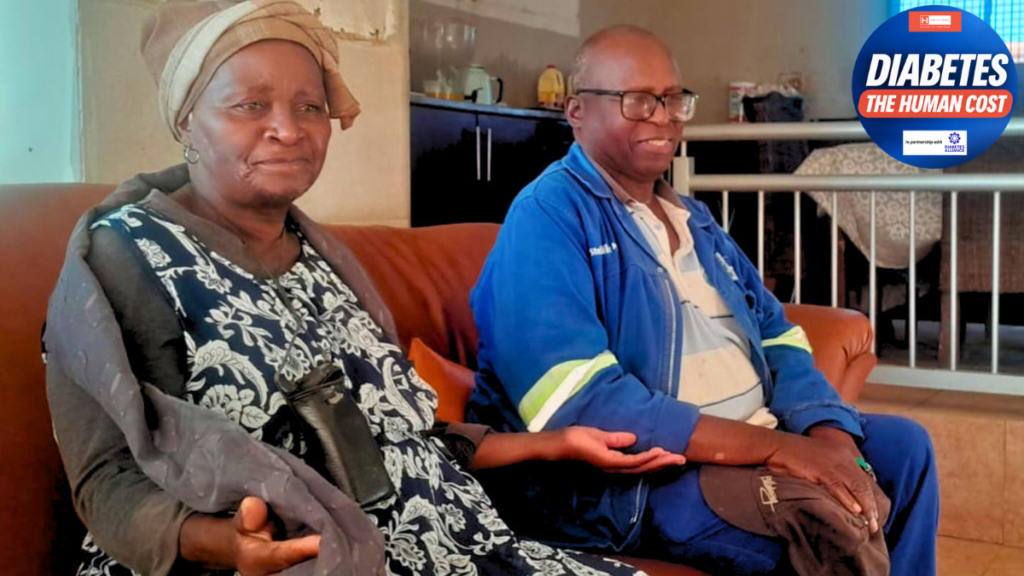
POLOKWANE, SOUTH AFRICA — An elderly couple in Limpopo say Limpopo diabetes medicine stockouts at their local clinic have forced them to spend their pensions on private pharmacy purchases and, at times, miss doses, Health-e News reported on 6 November.
Simon Seshibe, 85, and his wife Rahab, 67, live in Sebayeng village, northeast of Polokwane. Rahab was diagnosed with type 2 diabetes in 2009 and Simon in 2014, and both also take medicine for hypertension, according to the report by Moyahabo Mabeba.
Living with Limpopo diabetes medicine stockouts
The couple collect their chronic medication monthly from Sebayeng Clinic. When the clinic is out of stock, nurses refer Rahab to other facilities, including Mankweng, Rethabile and Pietersburg clinics.
In February and August 2026, they spent more than R1,000 on medication at a private pharmacy in Polokwane and about R400 on petrol for each return trip, the report said. Simon takes seven different tablets and ointments.
“To be diabetic can be costly when drugs are not available at public healthcare facilities,” Simon said.
During shortages they sometimes miss doses for a day or two. Rahab experiences severe thirst, and Simon reports fatigue and frequent urination, classic signs of high blood sugar. The couple rely on old-age grants, renting out a tractor in the rainy season and subsistence farming, and unexpected medicine costs have left them unable to pay for electricity in some months.
Not an isolated case
Mapula Dikgale, 76, of Solomondale township, was referred to Mankweng Hospital, about 16 km away, when her clinic ran out of her medication in August. She received only part of her supply, was told to return after three to five days and could not afford transport, according to Health-e News. She went weeks without some of her medicine until a church member lent her money for transport.
Limpopo Health Department spokesperson Neil Shikwambana acknowledged occasional shortages of diabetes and other chronic medicines, citing supply chain, procurement and market issues. “Medicine availability can occasionally be affected by various factors,” he said.
The province has a history of supply problems. A controversial 2023 tender to outsource the provincial pharmaceutical depot was followed by reported delivery failures in late 2025, which put hundreds of clinics and hospitals at risk of shortages, the report said.
National shortages
National Department of Health spokesperson Foster Mohale attributed shortages to several factors, including regulatory compliance problems among some local manufacturers, and said the department is procuring alternative medicines from other sources. The department recently confirmed supply challenges for several essential medicines, including metformin, which Simon takes.
TimesLIVE reported last week that experts describe current shortages as the worst yet, with 165 products on the department’s critical shortage list.
Diabetes is now the leading underlying cause of death in South Africa, accounting for 6.1 per cent of registered deaths, according to Statistics South Africa data cited by Health-e News.
Why missed doses matter
Metformin is the first-line medicine for type 2 diabetes in most guidelines. It is cheap and effective, but it only works when taken every day. Missing doses can cause blood sugar to rise, leading to thirst, frequent urination and tiredness, and over time raises the risk of heart attack, stroke, kidney failure, blindness and amputation.
For older people with both diabetes and hypertension, stopping blood pressure medicine suddenly can also be dangerous. Understanding why blood sugar control fails, including gaps in medicine supply, education and follow-up, is central to reducing deaths.
Pensioners are particularly exposed because they live on fixed incomes and may have limited transport. Travel to distant facilities for partial supplies adds cost and exhaustion.
The Limpopo diabetes medicine stockouts also affect patients who use insulin, who need regular supplies of insulin, syringes and glucose testing strips. Health-e News reported a day earlier on a family whose father was never taught how to use insulin safely, highlighting gaps in patient education as well as supply.
What could help
Health advocates have called for better stock monitoring at clinic level, faster redistribution of medicines between facilities and timely payment of suppliers. Community-based delivery of chronic medicines, through pickup points or home delivery, can reduce travel for elderly patients.
South Africa’s Central Chronic Medicine Dispensing and Distribution programme already delivers repeat prescriptions to pickup points for many stable patients, but it depends on medicines being available in the system in the first place, so national shortages also reach these points.
Patients are advised not to stop medicines without advice, to keep a list of their prescriptions and to ask clinics about alternatives when stock runs out. The Limpopo diabetes medicine stockouts show how supply chain failures turn into real harm for people managing chronic disease.
Why it matters: When clinics run out of metformin, pensioners pay or go without, raising the risk of complications from uncontrolled diabetes.
Malaria Prevention for Travellers: Staying Safe on Your Trip Every year, many people travel to Nigeria for business, holidays, weddings, funerals and family visits. These include Nigerians who live abroad and return home. Malaria is present throughout Nigeria, all year round. Travellers who have…
Healthcare Trailblazer: Celebrating Pharm. Ahmed… On December 1st, 1960, amidst the joy and jubilation in the Yakasai community of Kano, Nigeria, a beacon of excellence, leadership, and dedication was born. Pharm. Ahmed Ibrahim Yakasai, FPSN, mni, FNIM, FPCPharm, FNAPharm, a…
Aid Cuts Push Millions Into Hunger in Northeast Nigeria Northeast Nigeria is facing a worsening humanitarian crisis as aid cuts by international donors intensify hunger and malnutrition across conflict-affected states like Borno, Adamawa, and Yobe. With over 4.4 million people projected to face acute…
Why I Co-founded HubCare Health to Democratize… In 2015, I lost my good friend Wale and his wife Due to lack of access to health information and affordable quality healthcare services. Wale had persistent cough for weeks. So, he started treating cough…