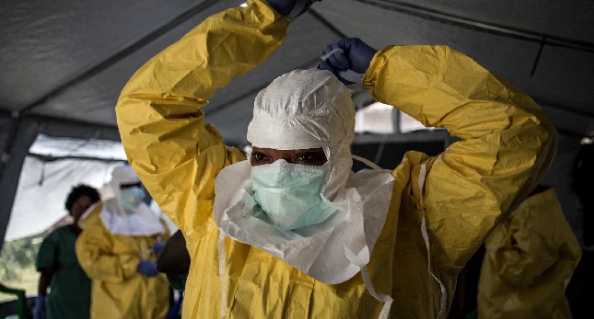
LAGOS, NIGERIA — The Nigeria Centre for Disease Control and Prevention (NCDC) has officially declared a nationwide nigeria ebola high alert following an accelerating outbreak of Ebola Virus Disease across Central Africa. According to a public health advisory issued by Director-General Dr. Jide Idris, emergency operating centers, hospital isolation units, and border health controls have been fully activated to prevent disease importation.
The precautionary alert comes in direct response to severe epidemiological updates from the Democratic Republic of the Congo (DRC). As of late September 2026, the DRC has recorded 7,672 confirmed cases and 3,699 deaths, driven by rapid transmission of the Bundibugyo ebolavirus strain across Ituri, North Kivu, Haut-Uélé, and Tshopo provinces. Current transmission rates exceed those documented in prior regional outbreaks, prompting immediate national preventive measures.
Key Operational Response Measures
The NCDC health advisory outlines several key preventive protocols across ports of entry and clinical facilities:
Surveillance Area
Implementation & Operational Protocol
Port Health Services
Mandatory thermal screening and visual symptom monitoring at all borders
Travel Declaration
Required digital Health Declaration Forms for inbound travelers from endemic areas
Healthcare Facilities
Instruction to maintain a high index of suspicion for viral hemorrhagic fevers
Resource Readiness
Audit of isolation centers and replenishment of personal protective equipment (PPE)
Clinical Readiness and the Nigeria Ebola High Alert
Maintaining the nigeria ebola high alert requires active coordination across state health ministries, tertiary hospitals, and entry points. Healthcare providers across all 36 states and the Federal Capital Territory have been instructed to identify early symptoms promptly, including sudden high fever, severe headache, acute muscle pain, and unexplained bleeding.
Under the active nigeria ebola high alert protocols, public health officials emphasize strict personal hand hygiene, avoiding unverified bushmeat, and immediately reporting any individual displaying febrile illness following international travel. Reinforcing early surveillance, port screenings, and isolation readiness aims to safeguard national public health and prevent localized transmission chains.
Why It Matters: Heightened health surveillance at international entry points protects the country from the severe biological and economic risks of viral hemorrhagic fever importation.
Nigeria Screens Travellers for Ebola as DR Congo… ABUJA, NIGERIA — Implementing strict nigeria ebola screening travel directives, health authorities now require passengers arriving from four countries with active virus transmission to complete an online health declaration and undergo 21 days of post-arrival…
Pilot and Wife Test Negative in Adamawa Ebola Scare,… YOLA, NIGERIA — The Adamawa suspected Ebola cases, a 34-year-old pilot and his wife, a medical doctor, have tested negative for the virus after two rounds of testing, Nigeria’s disease control agency said, leaving the…
NCDC Tells Hospitals to Isolate Suspected Ebola… ABUJA, NIGERIA — Directing healthcare providers to treat all febrile patients with compatible travel histories as potential biosecurity risks, the ncdc tells hospitals to immediately isolate suspected Ebola cases without waiting for confirmatory laboratory results.…
WHO Says Ebola Survivors Can Spread Virus Through… BRAZZAVILLE, CONGO — People who survive Ebola can pass the virus on through sex if it persists in semen after recovery, but are not expected to spread it through sweat or saliva once discharged, the…