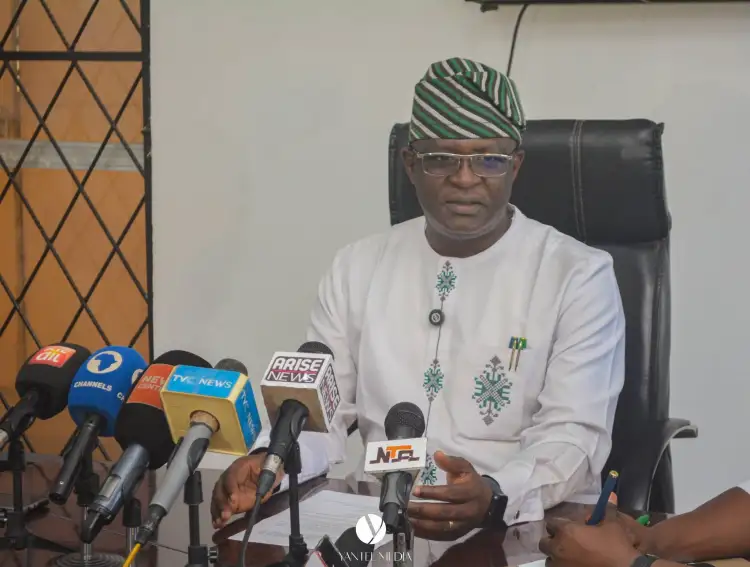
JOS, NIGERIA — Executive health authorities in Plateau State have launched a comprehensive health system expansion, confirming that plateau revitalises 105 primary health centres alongside approving the immediate recruitment of 1,300 clinical and administrative health workers. Announcing the policy measures at the opening of the 12th Plateau State Council on Health in Jos, State Commissioner for Health Dr. Nicholas Ba’amlong revealed that two rural health centers have also been upgraded to cottage hospital status to bolster secondary referral capacity across underserved local government areas.
Delivering an address on behalf of Governor Caleb Mutfwang, Deputy Governor Josephine Piyo reaffirmed the administration’s stance that quality healthcare represents a fundamental human right, pledging continuous infrastructure investment across all 17 Local Government Areas (LGAs).
Strategic Benchmarks for Plateau Revitalises 105 Primary Health Centres
Data compiled from Ministry of Health disclosures, PLASCHEMA statistics, and Council on Health proceedings outline the state’s operational health benchmarks:
System Expansion Category
Plateau State Public Health & Workforce Benchmarks
Primary Care Infrastructure
105 PHCs revitalized; 2 facilities upgraded to cottage hospitals
Approved Health Workforce
1,300 new health workers (1,050 to PHCs; 150 to State PHC Board)
PLASCHEMA Health Insurance
320,000 enrolled beneficiaries under state contributory coverage
Key Tertiary Upgrade
Plateau Specialist Hospital transitioning to a Teaching Hospital
Technical Mechanics: Why Plateau Revitalises 105 Primary Health Centres
Understanding the operational strategy behind why plateau revitalises 105 primary health centres highlights essential health system stabilization principles:
Matching Brick-and-Mortar Upgrades with Human Resources: Infrastructure refurbishment alone fails when clinics lack qualified personnel. Directing 1,050 newly recruited health workers directly into primary care facilities ensures rural clinics maintain clinical staffing for routine immunizations, antenatal care, and chronic disease screening.
Decongesting Tertiary Care Facilities: Upgrading cottage hospitals in Tudun Wada (Jos North) and Wase LGA creates intermediate referral hubs. This absorbs secondary surgical and maternal emergencies, reducing overcrowding at Jos University Teaching Hospital (JUTH) and Plateau Specialist Hospital.
Financial Risk Protection via PLASCHEMA: Scaling enrolment in the Plateau State Contributory Healthcare Management Agency (PLASCHEMA) to 320,000 citizens reduces out-of-pocket medical expenditure, ensuring vulnerable rural families can access clinical care without financial catastrophic impoverishment.
Keynote Alignment, Health Security, and Emergency Preparedness
In a keynote address titled “From Policy to People: Consolidating Quality Universal Health Coverage and Health Security on the Plateau,” Chief Medical Director of JUTH, Prof. Pokop Bupwatda, linked primary health expansion directly to national health security. The council emphasized that robust primary health networks serve as the first line of defense for disease surveillance, early outbreak detection, and community triage.
With Nigeria currently responding to confirmed viral threat contingencies in Abuja, strengthening local health centers provides Plateau State with the frontline diagnostic capacity required to detect, isolate, and refer suspected infectious disease cases rapidly.
Policy Execution, Rural Distribution, and Sector Outlook
Health policy analysts note that the ultimate impact of the 12th Council on Health’s resolutions hinges on how rapidly the approved 1,300 health worker positions are filled and equitably deployed to remote, hard-to-reach LGAs. Ensuring transparent recruitment, competitive local allowances, and timely equipment delivery to the newly upgraded Wase Cottage Hospital will determine long-term success.
As Plateau State executes its costed health action plan, expanding health insurance equity funds alongside primary care staffing will serve as a vital model for subnational health sector reform across Nigeria.
Why It Matters: Infrastructure alone cannot deliver care; pairing physical clinic refurbishment with 1,300 new health worker recruitments directly tests whether subnational governments can sustainably expand universal health coverage to rural communities.
Mental Health Challenges in Nigeria: Funding,… The World Health Organization (WHO) has consistently emphasized the critical importance of mental health, making it a global concern for the past three years through their World Mental Health Day themes. In 2021, the WHO…
World Mental Health Day 2023: Celebrating Mental… As we approach World Mental Health Day 2023, we have an incredible opportunity to come together and celebrate the theme of this year: "Mental health is a universal human right." This important day, observed on…
Ghana Plans to Recruit 16,500 Health Professionals… ACCRA, GHANA — The Government of Ghana has announced plans to recruit 16,500 healthcare personnel in 2026, securing advance financial clearance to ensure new hires receive immediate salary payment upon assumption of duty. Addressing delegates…
Strategies to strengthen infrastructural development… Across the continent, health infrastructure is unevenly distributed, with major gaps in the coverage of rural areas and often of poor quality. A third of Africans live more than two hours away from health services,…