LOUIS TRICHARDT, SOUTH AFRICA — Residents of Tshikota, a township west of Louis Trichardt in Limpopo, have renewed calls for a public clinic in Tshikota, saying transport costs and long walks to the nearest facility are putting lives at risk, Health-e News reported on 30 October.
Tshikota has more than 7,000 residents, who have asked for a clinic for years, according to the report. The nearest public clinic is in Louis Trichardt, about a 10-minute taxi ride away. A return trip costs R30, while walking the 5 kilometres takes about an hour.
The case for a public clinic in Tshikota
Dipou Moyo said she lost consciousness one night and a relative drove her to Louis Trichardt Memorial Hospital at 2am, where staff found that her blood sugar had dropped suddenly and treated her, including with a drip. “If he was not around, I could have passed away that day because I did not have money to hire a car,” she said. She leaves home at 4am to queue at health facilities.
A 54-year-old resident, who asked not to be named, cares for a six-year-old child with obesity and limited mobility. When relatives cannot drive them, she pays R200 to hire a car and needs neighbours to help lift the child, the report said.
Unjani, a private clinic that opened in Tshikota in 2024, charges R350 for a consultation, including medicine, and offers services such as blood pressure checks, HIV testing and pregnancy tests. It is open from 8am to 5pm on weekdays and 9am to 1pm on Saturdays. Thabang Tlou, Secretary of the Tshikota branch of the South African National Civic Organisation, said: “Though this private clinic is helping somehow, most residents cannot afford the charges.”
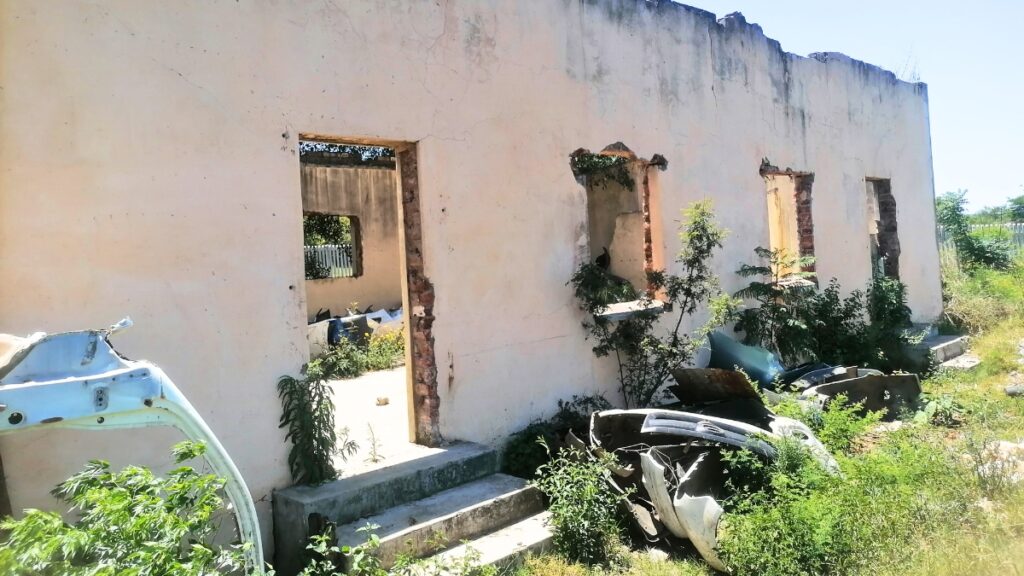
“Most residents are unemployed, so we call on the Department of Health to establish a clinic in Tshikota,” Tlou said, also asking for mobile clinic visits. Tshikota once had a clinic, but the government moved it to Louis Trichardt more than 20 years ago, the report said.
Budget plans and unanswered questions
In her 2026/27 budget speech in May, Limpopo Health MEC Dieketseng Mashego said the department was finalising an infrastructure master plan for health facilities and outlined plans to deploy mobile clinics in rural and hard-to-reach communities. The speech did not specifically mention Tshikota. The Limpopo Department of Health’s budget for 2026/27 is R28.7 billion, with R15.2 billion for district health services and district hospitals.
Health-e News sent questions to the department about a public clinic or mobile services for Tshikota, but had not received a response by publication.
The abandoned building that once housed Tshikota’s clinic still stands, according to photographs published with the report, a visible reminder for residents of the service they lost when it was moved more than two decades ago.
Distance and transport costs are among the most common barriers to primary health care in South Africa’s townships and rural areas. For people with diabetes, hypertension or HIV, who need regular check-ups and monthly medicines, even small fares add up, and missed visits can lead to complications. Moyo’s experience of a sudden drop in blood sugar shows how quickly a manageable condition can become an emergency when care is far away.
South Africa’s primary health care system aims to place clinics within reach of communities, supported by mobile clinics and ward-based outreach teams that include community health workers. Where facilities are lacking, mobile services and home visits can provide routine care, medicine collection and screening.
The demand for a public clinic in Tshikota also reflects the gap between public and private options. Private clinics such as Unjani offer convenience, but consultation fees are beyond many households where unemployment is high.
The call for a public clinic in Tshikota echoes complaints from other Limpopo communities covered by Health-e News during the election period, including Giyani, where villagers buy water because boreholes have failed, and Musina, where residents say sewage flows through their streets.
Tlou’s request for mobile clinic visits reflects a common interim solution. Regular, predictable visits allow patients to plan medicine collection and check-ups. The cost of reaching care can also deter people from seeking help early for new symptoms, which can lead to later diagnosis of conditions such as diabetes, hypertension and cancer.
The report was part of Health-e News’ election coverage ahead of municipal elections on 4 November, in which residents have raised service delivery concerns, including access to health care.
Why it matters: When clinics are out of reach, patients with chronic illness miss care and face emergencies, so access is a core part of health equity.
Limpopo Residents Without Phone Signal Struggle to… MUSINA, SOUTH AFRICA — Severe mobile network coverage dead zones in the Campbell community of Musina, Limpopo Province, are forcing residents to trek to dangerous, elevated railway tracks at night to find cell service to…
Northern Cape Loses Only State Child Cancer… KIMBERLEY, SOUTH AFRICA — Northern Cape cancer care has been weakened by the departure of the province’s only public-sector paediatric oncologist, who left Robert Mangaliso Sobukwe Hospital in Kimberley in February for private practice, Daily…
South African Cancer Patients Travel Hundreds of… BLOEMFONTEIN, SOUTH AFRICA — Cancer patients across the Free State, Northern Cape, and neighboring territories face severe physical and financial strain as thousands of cancer patients travel hundreds of kilometres for treatment at centralized public…
Pilot and Wife Test Negative in Adamawa Ebola Scare,… YOLA, NIGERIA — The Adamawa suspected Ebola cases, a 34-year-old pilot and his wife, a medical doctor, have tested negative for the virus after two rounds of testing, Nigeria’s disease control agency said, leaving the…